Agency multifamily is very competitive in Santa Cruz given the extreme supply constraint. Fannie Mae and Freddie Mac offer the tightest spreads on UCSC-adjacent properties with occupancy above 97 percent.
When to Use Agency Loans in Santa Cruz
Santa Cruz's commercial real estate market, driven by UC Santa Cruz, Plantronics, Seagate Technology, Dominican Hospital, County of Santa Cruz, creates specific scenarios where agency loans are the optimal financing choice:
- Stabilized conventional apartments
- Affordable and workforce housing
- Manufactured housing communities
- Student housing properties
- Senior independent and assisted living
- Green-certified and energy-efficient multifamily
In the Santa Cruz-Watsonville metro, agency loans are particularly relevant given the market's 5.2% rent growth and 1.6% job growth, which support creative financing solutions across niche asset classes.
Current Agency Loan Rates in Santa Cruz
As of 2026, agency loans in the Santa Cruz market are pricing at the following levels:
- Rate Range: 5.34% to 6.75%
- Loan Amount: $1M to $100M+
- Term: 5 to 30 Years
- Maximum LTV: Up to 80% LTV
- Amortization: 30 Years
- Recourse: Non-Recourse Standard
Rates in Santa Cruz may vary from national averages based on local market conditions, property type, and sponsor experience. The Santa Cruz market's 4.00%-5.00% multifamily cap rates and 4.75%-5.50% industrial cap rates influence lender pricing as they underwrite to specific debt yield and coverage targets.
Pricing a live deal? This guide covers how the market works. For current terms, program details, and a free quote, go to our Agency Loans in Santa Cruz, CA page or call (310) 708-0690.
Qualification Requirements
Qualifying for agency loans in Santa Cruz requires demonstrating both borrower strength and property fundamentals. Key requirements include:
- Borrower Experience: Lenders evaluate your track record with similar assets in Santa Cruz or comparable markets
- Net Worth & Liquidity: Most lenders require net worth equal to the loan amount and 6-12 months of debt service in liquid reserves
- Property Performance: Property-specific underwriting based on asset class, cash flow, and market positioning
- Market Position: Asset location within Santa Cruz's strongest submarkets, including Santa Cruz Downtown, Capitola, Aptos, Scotts Valley, Watsonville
Capital Sources for Agency Loans in Santa Cruz
The Santa Cruz market offers access to a diverse set of capital sources for agency loans:
- Fannie Mae DUS Lenders
- Freddie Mac Optigo Lenders
- Fannie Mae Small Balance Loan Lenders
- Freddie Mac Small Balance Loan Lenders
Each capital source has distinct appetites for property types, leverage levels, and borrower profiles. Working with a commercial mortgage broker who maintains relationships across all these capital sources ensures you're seeing the most competitive terms available in Santa Cruz.
Exit Strategy Considerations
Specialty financing exits in Santa Cruz vary significantly by asset type and business plan. Some specialty properties, like self-storage and data centers, can transition to permanent agency or CMBS financing once stabilized. Others may require continued specialty lending or a sale to a specialized operator.
The key is structuring the initial financing with a realistic exit timeline and identifying permanent capital sources early in the process. The Santa Cruz market's 1.6% job growth supports demand across specialty property types.
Santa Cruz Market Context
Santa Cruz is a coastal California market where UC Santa Cruz, with roughly 19,000 students and research concentrations in genomics, ocean sciences, and astrophysics, forms the economic backbone alongside a tourism and agricultural economy that stretches south through Watsonville's strawberry and raspberry growing region, one of the most productive in North America. The university's Coastal Science Campus and affiliated research spinouts generate consistent demand for lab-adjacent and flex industrial space in Scotts Valley and along the Highway 1 corridor, where proximity to Santa Clara County allows companies to maintain Silicon Valley relationships while occupying significantly lower-cost square footage. Multifamily fundamentals are among the tightest in coastal California, driven by a structural gap between student and workforce housing demand and a supply pipeline strangled by Measure M growth controls, Coastal Act permitting restrictions, and neighborhood opposition that makes entitled land genuinely scarce. Capitola and Aptos support a hospitality and retail strip tied to seasonal beach traffic, but operators underwrite meaningful revenue volatility between summer peaks and winter shoulder periods. Industrial product in Watsonville serves cold-storage and food-processing users tied to Driscoll's and its contract grower network, a tenant profile that differs materially from the tech-adjacent flex users north of the hill in Scotts Valley. Office vacancy in Downtown Santa Cruz has climbed as remote work reduced commuter-driven tenancy, creating repositioning questions that few developers have capital structures willing to answer given entitlement timelines that routinely exceed four years.
Understanding the local market dynamics is critical for structuring the right financing. The Santa Cruz metro's key commercial neighborhoods include Downtown Santa Cruz, Capitola, Aptos, Soquel, Scotts Valley, Boulder Creek, Watsonville, Gilroy, Morgan Hill, Hollister, Salinas, Monterey, each with distinct property characteristics and tenant demand profiles.
Get a Agency Loan Quote for Santa Cruz
CLS CRE provides agency loans throughout the Santa Cruz-Watsonville metro area, with access to 1,000+ lenders competing for your deal. Our market expertise in Santa Cruz commercial real estate helps you navigate the lending landscape and secure the most competitive terms available.
Related resources:
- Agency Loans: National Overview
- Agency Loans in Santa Cruz: Rates & Terms
- Commercial Real Estate Loans in Santa Cruz
- Multifamily Investing in Santa Cruz
- Industrial Investing in Santa Cruz
- Santa Cruz Commercial Real Estate Market Report 2026
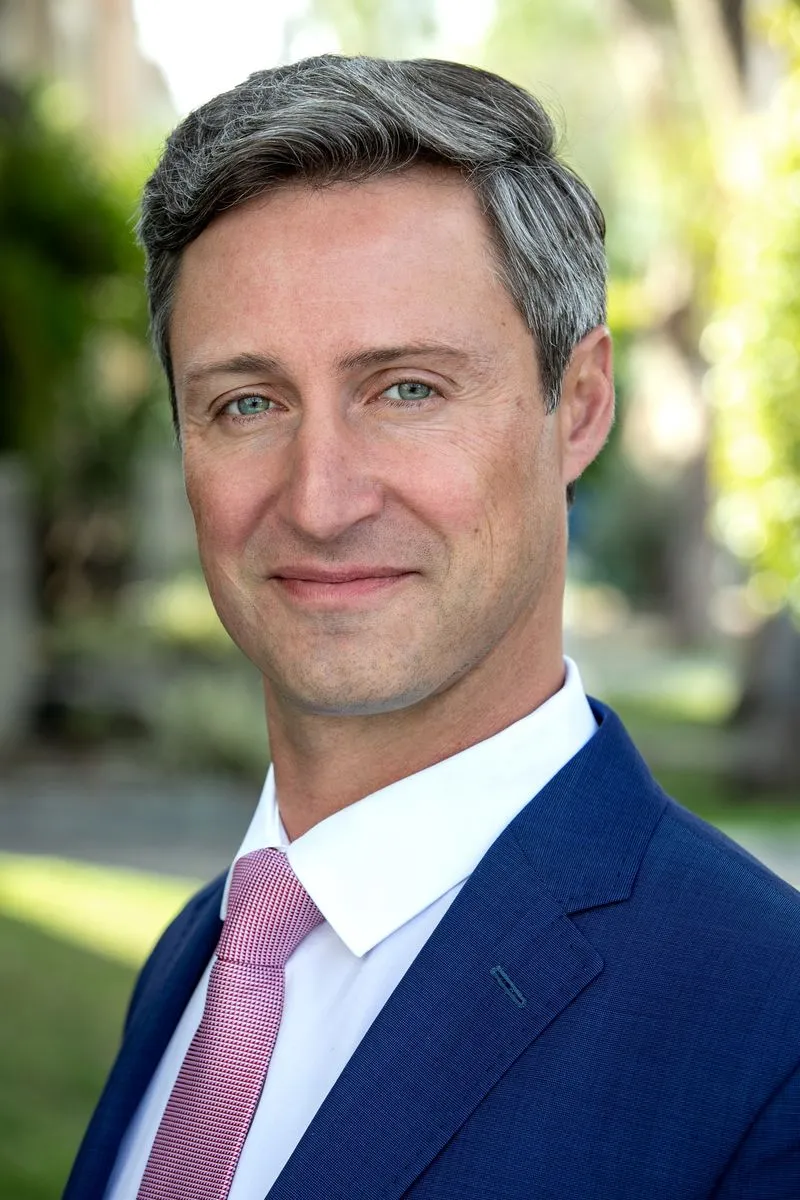
Trevor Damyan is a commercial mortgage broker at Commercial Lending Solutions with a background in structured finance at CBRE and Marcus and Millichap Capital Corporation. He specializes in bridge loans, construction financing, SBA programs, DSCR loans, and complex capital structures for investors and developers across all 50 states.
View full profile →