Bridge lending in St. Louis is most active on value-add multifamily acquisitions in the $3 million to $20 million range, particularly in inner-ring suburban corridors like Maplewood, Brentwood, and University City where 1970s and 1980s vintage product offers clear value-add business plans and realistic agency exit strategies. Debt funds and regional bridge lenders are generally underwriting at 65% to 70% LTC with 18-to-36-month terms, requiring sponsorship with verifiable renovation track records and demonstrated exit paths to Fannie Mae or Freddie Mac permanent financing. Industrial value-add plays along the I-70 and I-270 corridors are also attracting bridge capital from balance sheet lenders comfortable with St. Louis market rents and tenant demand.
When to Use Bridge Loans in St. Louis
St. Louis's commercial real estate market, driven by Healthcare and life sciences, financial services and insurance, advanced manufacturing, higher education and technology, creates specific scenarios where bridge loans are the optimal financing choice:
- Value-add multifamily renovations
- Lease-up and tenant improvement periods
- Land entitlement and pre-development
- Acquisitions needing quick close
- Properties transitioning between uses
- Recapitalizations and partner buyouts
In the St. Louis-St. Charles-Farmington metro, bridge loans are particularly relevant given the market's 3.2% rent growth and 1.4% job growth, which support aggressive value-add business plans and confident exit strategies.
Current Bridge Loan Rates in St. Louis
As of 2026, bridge loans in the St. Louis market are pricing at the following levels:
- Rate Range: 6.79% - 13.04%
- Loan Amount: $1M - $100M+
- Term: 6 - 36 Months
- Maximum LTV: Up to 75% LTV
- Recourse: Non-Recourse Available
Rates in St. Louis may vary from national averages based on local market conditions, property type, and sponsor experience. The St. Louis market's 5.50%-6.75% multifamily cap rates and 5.25%-6.50% industrial cap rates influence lender pricing as they underwrite to specific debt yield and coverage targets.
Pricing a live deal? This guide covers how the market works. For current terms, program details, and a free quote, go to our Bridge Loans in St. Louis, MO page or call (310) 708-0690.
Qualification Requirements
Qualifying for bridge loans in St. Louis requires demonstrating both borrower strength and property fundamentals. Key requirements include:
- Borrower Experience: Lenders evaluate your track record with similar assets in St. Louis or comparable markets
- Net Worth & Liquidity: Most lenders require net worth equal to the loan amount and 6-12 months of debt service in liquid reserves
- Property Performance: Clear value-add business plan with realistic renovation budgets and exit assumptions
- Market Position: Asset location within St. Louis's strongest submarkets, including Clayton CBD, Midtown/Grand Center, Maryland Heights/Westport, St. Charles County
Capital Sources for Bridge Loans in St. Louis
The St. Louis market offers access to a diverse set of capital sources for bridge loans:
- Debt Funds
- Private Lenders
- Banks
- Insurance Companies
Each capital source has distinct appetites for property types, leverage levels, and borrower profiles. Working with a commercial mortgage broker who maintains relationships across all these capital sources ensures you're seeing the most competitive terms available in St. Louis.
Exit Strategy Considerations
Every bridge loan in St. Louis requires a clear exit strategy, typically either a permanent loan refinance or a property sale. Given the market's 3.2% rent growth and 5.50%-6.75% multifamily cap rates, well-executed value-add business plans can create significant equity value that supports attractive permanent refinancing terms or profitable dispositions.
The key risk factors for bridge loan exits in St. Louis include renovation timeline delays, market rent assumptions, and the pace of lease-up. Budget conservatively and build in a 6-month cushion on your bridge term to account for unforeseen circumstances.
St. Louis Market Context
St. Louis anchors its economy on a healthcare and life sciences cluster that rivals markets twice its size, with BJC HealthCare, Mercy Health, SSM Health, and Saint Louis University Hospital collectively employing tens of thousands and generating sustained demand for medical office, lab, and outpatient facilities across the metro. Washington University in St. Louis, consistently ranked among the top research universities nationally, drives a biotech and therapeutics pipeline that has seeded companies across the Cortex Innovation Community in Midtown, the most active mixed-use innovation district between Chicago and Dallas. Boeing Defense, Space and Security maintains a major engineering and manufacturing presence in the metro, supporting industrial and flex properties in the St. Charles County corridor and along the I-64 spine through Chesterfield. Anheuser-Busch InBev's Bud Light and flagship brewing operations in Soulard anchor a small but symbolically important piece of the manufacturing base, while the Centene Corporation campus in Clayton has reshaped that submarket's Class A office landscape over the past decade. Multifamily fundamentals vary sharply by submarket: Clayton and Creve Coeur command the metro's strongest rents backed by professional and healthcare tenants, while Downtown St. Louis continues to work through elevated vacancy left by pandemic-era relocations. Industrial demand along the I-70 and I-44 corridors benefits from St. Louis's position as a Union Pacific and BNSF interchange hub with direct access to the Mississippi River port system. Missouri's historic tax credit program for rehabilitation of certified historic structures remains one of the most actively used in the country and continues to drive adaptive reuse underwriting across the city's substantial Victorian and early 20th-century building stock.
Understanding the local market dynamics is critical for structuring the right financing. The St. Louis metro's key commercial neighborhoods include Downtown St. Louis, Clayton, Midtown, Chesterfield, Creve Coeur, O'Fallon, each with distinct property characteristics and tenant demand profiles.
Get a Bridge Loan Quote for St. Louis
CLS CRE provides bridge loans throughout the St. Louis-St. Charles-Farmington metro area, with access to 1,000+ lenders competing for your deal. Our market expertise in St. Louis commercial real estate helps you navigate the lending landscape and secure the most competitive terms available.
Related resources:
- Bridge Loans: National Overview
- Bridge Loans in St. Louis: Rates & Terms
- Commercial Real Estate Loans in St. Louis
- Multifamily Investing in St. Louis
- Industrial Investing in St. Louis
- St. Louis Commercial Real Estate Market Report 2026
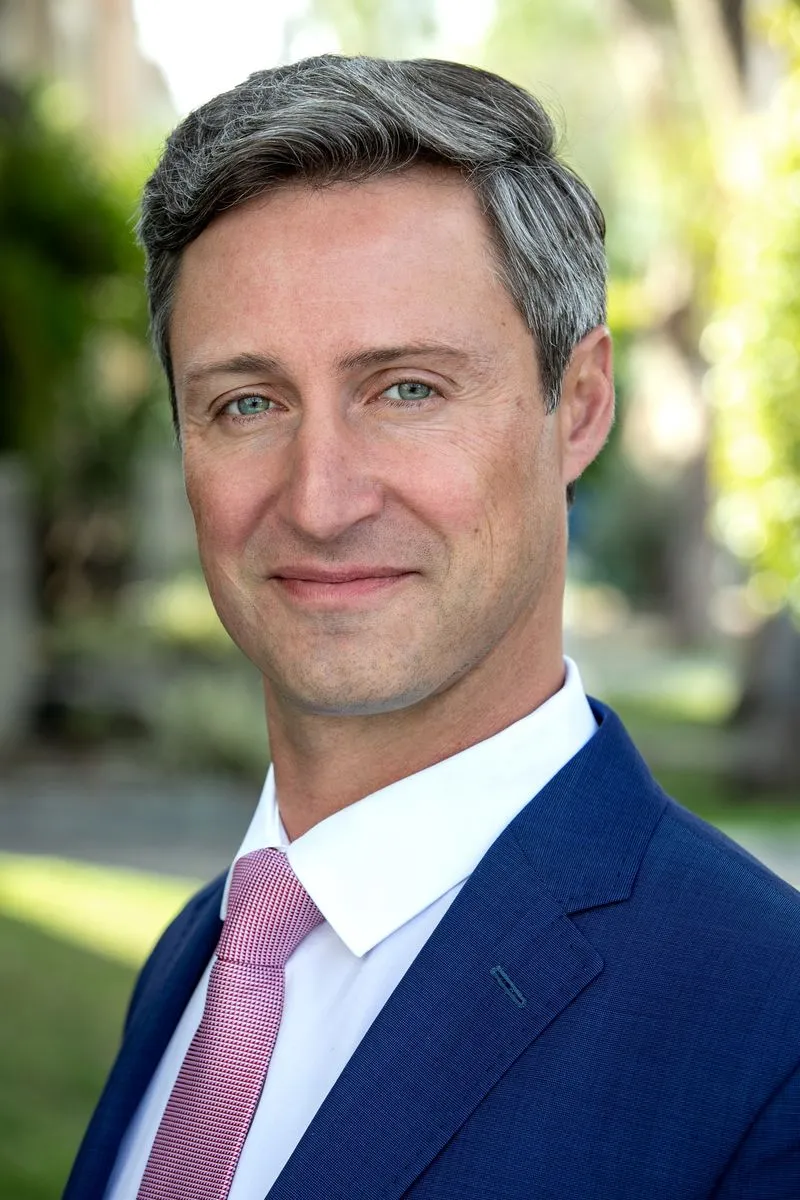
Trevor Damyan is a commercial mortgage broker at Commercial Lending Solutions with a background in structured finance at CBRE and Marcus and Millichap Capital Corporation. He specializes in bridge loans, construction financing, SBA programs, DSCR loans, and complex capital structures for investors and developers across all 50 states.
View full profile →