Construction lending in Oklahoma City is primarily sourced from regional Oklahoma banks, with typical LTC caps of 60% to 65% and 24 month initial terms. Urban core multifamily construction benefits from city incentives that improve deal feasibility, while industrial construction in the south OKC logistics corridor is well-supported given proven tenant absorption from national distribution operators.
When to Use Construction Loans in Oklahoma City
Oklahoma City's commercial real estate market, driven by energy, aerospace, defense, healthcare, government, agriculture, creates specific scenarios where construction loans are the optimal financing choice:
- Ground-up apartment developments
- Industrial warehouse construction
- Build-to-suit retail and office
- Hotel development and rehabilitation
- Fix-and-flip residential projects
- Major property renovations and repositioning
In the Oklahoma City-Shawnee metro, construction loans are particularly relevant given the market's 2.9% rent growth and 1.6% job growth, which support development feasibility and absorption timelines.
Current Construction Loan Rates in Oklahoma City
As of 2026, construction loans in the Oklahoma City market are pricing at the following levels:
- Rate Range: 6.23% - 13.04%
- Loan Amount: $1M - $100M+
- Term: 12 - 36 Months
- Maximum LTC: Up to 85% LTC
- Recourse: Recourse Typical, Non-Recourse Available
Rates in Oklahoma City may vary from national averages based on local market conditions, property type, and sponsor experience. The Oklahoma City market's 6.00%-6.75% multifamily cap rates and 5.75%-6.50% industrial cap rates influence lender pricing as they underwrite to specific debt yield and coverage targets.
Pricing a live deal? This guide covers how the market works. For current terms, program details, and a free quote, go to our Construction Loans in Oklahoma City, OK page or call (310) 708-0690.
Qualification Requirements
Qualifying for construction loans in Oklahoma City requires demonstrating both borrower strength and property fundamentals. Key requirements include:
- Borrower Experience: Lenders evaluate your track record with similar assets in Oklahoma City or comparable markets
- Net Worth & Liquidity: Most lenders require net worth equal to the loan amount and 6-12 months of debt service in liquid reserves
- Property Performance: Detailed construction budget, timeline, and evidence of market demand for the finished product
- Market Position: Asset location within Oklahoma City's strongest submarkets, including Bricktown mixed-use, Midtown, Automobile Alley, south OKC industrial, Edmond multifamily
Capital Sources for Construction Loans in Oklahoma City
The Oklahoma City market offers access to a diverse set of capital sources for construction loans:
- Banks
- Debt Funds
- Private Lenders
- Credit Unions
- CDFI Lenders
Each capital source has distinct appetites for property types, leverage levels, and borrower profiles. Working with a commercial mortgage broker who maintains relationships across all these capital sources ensures you're seeing the most competitive terms available in Oklahoma City.
Exit Strategy Considerations
Construction loans in Oklahoma City are interim financing that must be replaced upon project completion. The typical exit is a permanent loan once the property is built and stabilized, or a sale to a long-term investor. The Oklahoma City market's 1.6% job growth and 1.1% population growth support absorption assumptions, but borrowers should underwrite conservatively and have backup exit options.
Oklahoma City Market Context
Oklahoma City's commercial real estate market is anchored by three intersecting pillars: the energy sector, a dense federal and military footprint, and an aerospace cluster that rarely gets the credit it deserves. Tinker Air Force Base, the largest single-site employer in Oklahoma with roughly 26,000 military and civilian workers, anchors the southeast metro and drives sustained industrial and flex demand along the I-40 corridor, particularly in Moore and Midwest City. The Oklahoma Corporation Commission, Devon Energy, Continental Resources, and a constellation of oilfield services companies occupy significant Class A and mid-tier office inventory in Downtown OKC and along the Northwest Expressway, though a sustained energy price cycle has pushed vacancy rates in that corridor higher than landlords would prefer. Healthcare demand is increasingly a counterweight, with SSM Health, Integris, and the OU Health system driving medical office absorption across Midtown and suburban Edmond, where the demographic profile skews younger professional and family-oriented. On the industrial side, Amazon, Hobby Lobby's consolidating distribution operations, and a growing food and beverage manufacturing base have kept net absorption positive across large-bay product near Will Rogers World Airport and along I-35 through Yukon. Multifamily fundamentals remain among the most landlord-favorable in the South Central region, not because of headline job growth alone, but because OKC consistently delivers one of the lowest per-unit construction costs and lowest regulatory friction timelines in any comparable market, a dynamic that rewards experienced developers but keeps merchant builders active enough to prevent meaningful rent spikes.
Understanding the local market dynamics is critical for structuring the right financing. The Oklahoma City metro's key commercial neighborhoods include Downtown OKC, Midtown, Bricktown, Edmond, Moore, Yukon, each with distinct property characteristics and tenant demand profiles.
Get a Construction Loan Quote for Oklahoma City
CLS CRE provides construction loans throughout the Oklahoma City-Shawnee metro area, with access to 1,000+ lenders competing for your deal. Our market expertise in Oklahoma City commercial real estate helps you navigate the lending landscape and secure the most competitive terms available.
Related resources:
- Construction Loans: National Overview
- Construction Loans in Oklahoma City: Rates & Terms
- Commercial Real Estate Loans in Oklahoma City
- Multifamily Investing in Oklahoma City
- Industrial Investing in Oklahoma City
- Oklahoma City Commercial Real Estate Market Report 2026
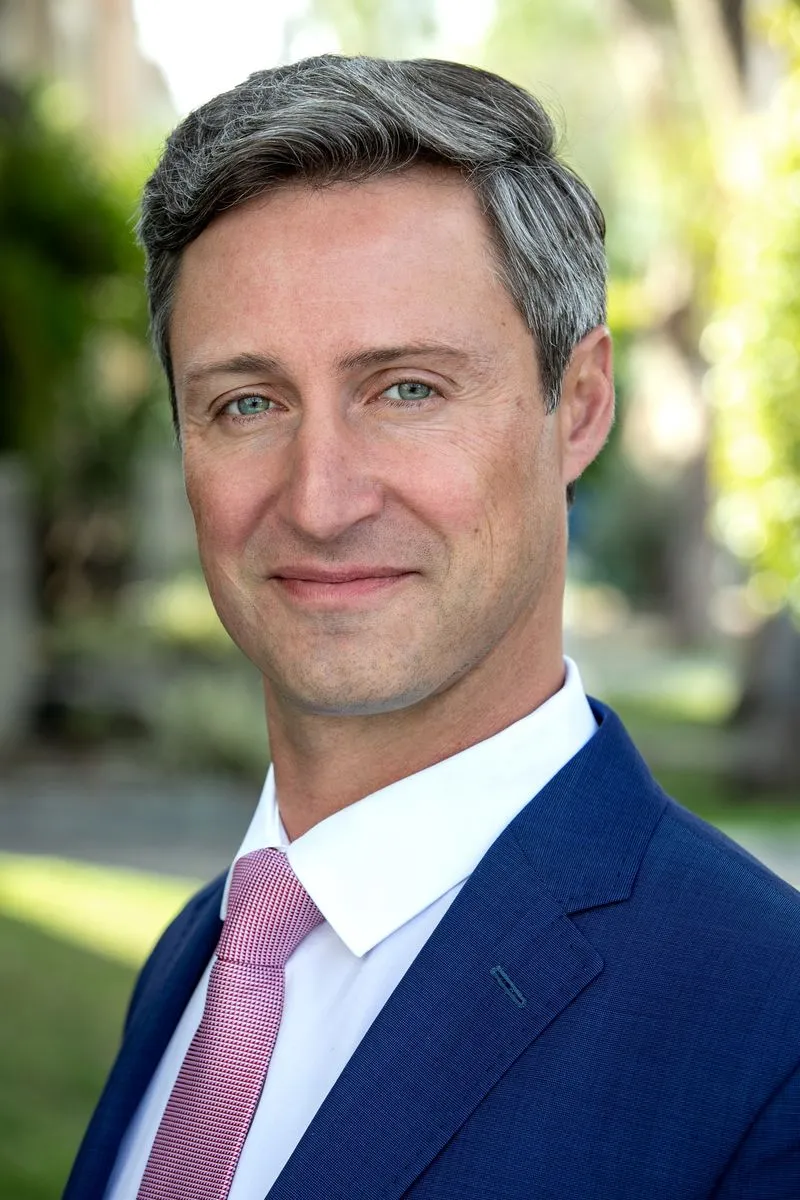
Trevor Damyan is a commercial mortgage broker at Commercial Lending Solutions with a background in structured finance at CBRE and Marcus and Millichap Capital Corporation. He specializes in bridge loans, construction financing, SBA programs, DSCR loans, and complex capital structures for investors and developers across all 50 states.
View full profile →