Construction lending in Raleigh is available from regional and national banks as well as several active debt funds, with lenders generally requiring 30%-40% equity and meaningful pre-leasing for office and retail, while speculative industrial and multifamily can clear the market with less pre-leasing given the market's demand fundamentals. Preferred product types for construction capital include Class A multifamily along the 540 corridor, shallow-bay industrial near Brier Creek and RTP, and mixed-use infill in Downtown Raleigh and North Hills. Construction loan sizing typically ranges from $10M to $100M-plus for larger mixed-use and multifamily projects, with regional banks like First Citizens and TowneBank among the more consistent local construction lenders.
When to Use Construction Loans in Raleigh
Raleigh's commercial real estate market, driven by Technology and software, life sciences and biotech, higher education and research, state government and defense, creates specific scenarios where construction loans are the optimal financing choice:
- Ground-up apartment developments
- Industrial warehouse construction
- Build-to-suit retail and office
- Hotel development and rehabilitation
- Fix-and-flip residential projects
- Major property renovations and repositioning
In the Raleigh-Cary-Durham metro, construction loans are particularly relevant given the market's 3.8% rent growth and 3.2% job growth, which support development feasibility and absorption timelines.
Current Construction Loan Rates in Raleigh
As of 2026, construction loans in the Raleigh market are pricing at the following levels:
- Rate Range: 6.23% - 13.04%
- Loan Amount: $1M - $100M+
- Term: 12 - 36 Months
- Maximum LTC: Up to 85% LTC
- Recourse: Recourse Typical, Non-Recourse Available
Rates in Raleigh may vary from national averages based on local market conditions, property type, and sponsor experience. The Raleigh market's 4.75%-5.50% multifamily cap rates and 5.25%-6.25% industrial cap rates influence lender pricing as they underwrite to specific debt yield and coverage targets.
Pricing a live deal? This guide covers how the market works. For current terms, program details, and a free quote, go to our Construction Loans in Raleigh, NC page or call (310) 708-0690.
Qualification Requirements
Qualifying for construction loans in Raleigh requires demonstrating both borrower strength and property fundamentals. Key requirements include:
- Borrower Experience: Lenders evaluate your track record with similar assets in Raleigh or comparable markets
- Net Worth & Liquidity: Most lenders require net worth equal to the loan amount and 6-12 months of debt service in liquid reserves
- Property Performance: Detailed construction budget, timeline, and evidence of market demand for the finished product
- Market Position: Asset location within Raleigh's strongest submarkets, including North Hills, Brier Creek, Research Triangle Park, Downtown Raleigh-Glenwood South
Capital Sources for Construction Loans in Raleigh
The Raleigh market offers access to a diverse set of capital sources for construction loans:
- Banks
- Debt Funds
- Private Lenders
- Credit Unions
- CDFI Lenders
Each capital source has distinct appetites for property types, leverage levels, and borrower profiles. Working with a commercial mortgage broker who maintains relationships across all these capital sources ensures you're seeing the most competitive terms available in Raleigh.
Exit Strategy Considerations
Construction loans in Raleigh are interim financing that must be replaced upon project completion. The typical exit is a permanent loan once the property is built and stabilized, or a sale to a long-term investor. The Raleigh market's 3.2% job growth and 2.9% population growth support absorption assumptions, but borrowers should underwrite conservatively and have backup exit options.
Raleigh Market Context
The Raleigh-Durham metro is anchored by one of the densest concentrations of research and life sciences infrastructure in the country, built around Duke University, the University of North Carolina at Chapel Hill, and North Carolina State University, whose combined research expenditures consistently exceed $3 billion annually and feed a commercialization pipeline that has made Research Triangle Park one of the largest planned research campuses in the world. IBM, Lenovo's North American headquarters, Cisco, SAS Institute, and a deep layer of contract research organizations and clinical-stage biotech firms collectively drive persistent demand for Class A office and lab space across RTP, Durham's Chesterfield district, and the Morrisville corridor. The life sciences build-out has been particularly pronounced: wet lab and cGMP manufacturing supply is chronically undersupplied relative to tenant demand, and conversion of older flex product into functional lab space has become one of the most active value-add plays in the market. Multifamily fundamentals reflect a decade of net population gains driven by high-wage job formation rather than cost-of-living arbitrage alone, and infill submarkets in downtown Raleigh and Durham's walkable core continue to absorb new supply at rents that would have been difficult to underwrite five years ago. Industrial demand in the Wake and Johnston County corridors has been supported by food manufacturing, pharmaceutical cold storage, and last-mile distribution serving one of the fastest-growing metro populations in the Southeast. North Carolina's relatively employer-friendly regulatory environment and the absence of significant rent control policy give lenders and equity investors more predictable hold-period underwriting than many comparable Sun Belt markets.
Understanding the local market dynamics is critical for structuring the right financing. The Raleigh metro's key commercial neighborhoods include Downtown Raleigh, Durham, Chapel Hill, Cary, Research Triangle Park, Morrisville, each with distinct property characteristics and tenant demand profiles.
Get a Construction Loan Quote for Raleigh
CLS CRE provides construction loans throughout the Raleigh-Cary-Durham metro area, with access to 1,000+ lenders competing for your deal. Our market expertise in Raleigh commercial real estate helps you navigate the lending landscape and secure the most competitive terms available.
Related resources:
- Construction Loans: National Overview
- Construction Loans in Raleigh: Rates & Terms
- Commercial Real Estate Loans in Raleigh
- Multifamily Investing in Raleigh
- Industrial Investing in Raleigh
- Raleigh Commercial Real Estate Market Report 2026
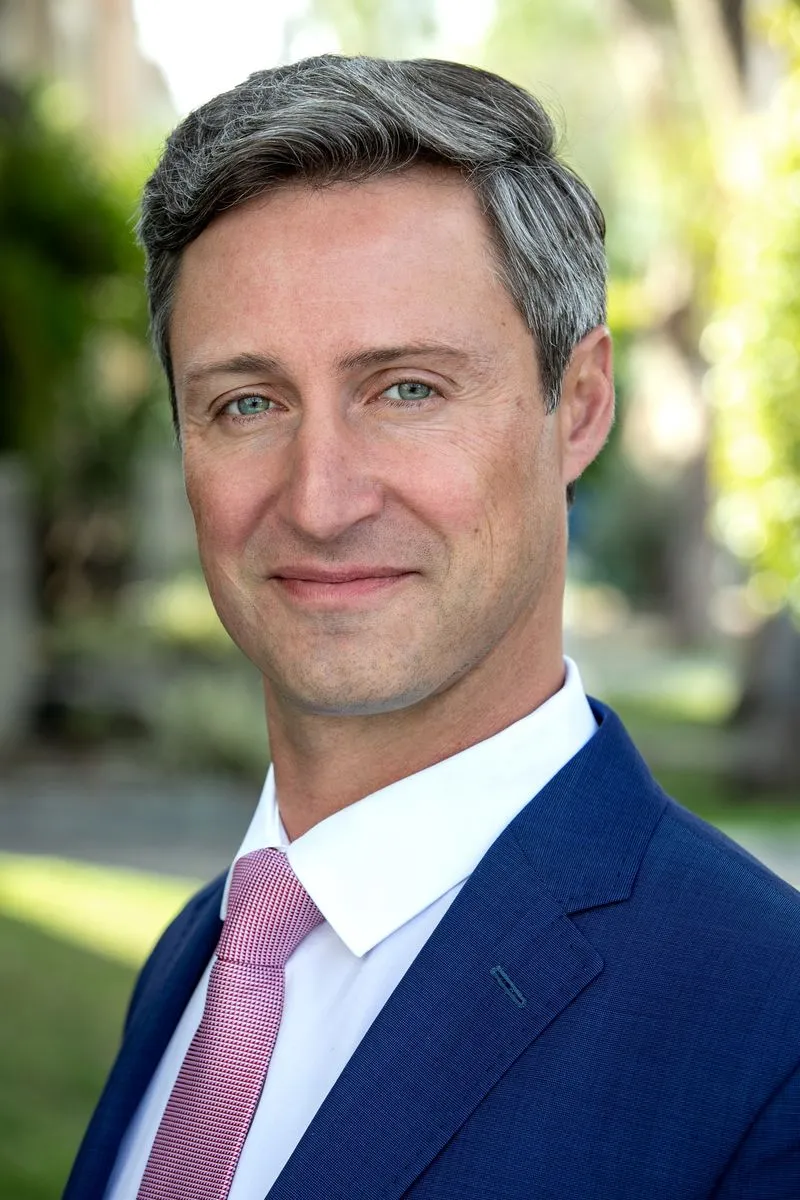
Trevor Damyan is a commercial mortgage broker at Commercial Lending Solutions with a background in structured finance at CBRE and Marcus and Millichap Capital Corporation. He specializes in bridge loans, construction financing, SBA programs, DSCR loans, and complex capital structures for investors and developers across all 50 states.
View full profile →