Eugene anchors the southern Willamette Valley economy, pairing the stability of a flagship university town with a production base rooted in wood products and a growing food and beverage manufacturing cluster. The University of Oregon enrolls roughly 23,000 students and continues expanding research capacity through the Knight Campus for Accelerating Scientific Impact, while PeaceHealth Sacred Heart Medical Center at RiverBend anchors regional healthcare employment in Springfield's Gateway district. Grain Millers, Mountain Rose Herbs, Rosboro, and Sierra Pacific Industries give the metro genuine industrial depth, and the TrackTown USA athletics calendar at Hayward Field generates recurring hotel and retail demand that few metros of 380,000 people can match.
Eugene Market Overview: Key Metrics
The Eugene commercial real estate market in 2026 reflects a market shaped by University of Oregon, PeaceHealth, Eugene School District 4J, Lane County, PacificSource Health Plans, Lane Community College, Rosboro, Grain Millers, Marathon Coach. Here are the key metrics investors and borrowers should know:
- Multifamily Vacancy: 3.9%, well below the national average, signaling tight supply conditions
- Industrial Vacancy: 3.6%, among the tightest markets nationally
- Office Vacancy: 12.8%
- Retail Vacancy: 4.4%
- Rent Growth: 2.9% year-over-year
- Job Growth: 1.4%, tracking near the national average
- Population Growth: 0.8% annually
- Median Asking Rent: $1,495
Multifamily Outlook in Eugene
Eugene multifamily is among the tightest rental markets on the West Coast, with metro vacancy near 3.9% and median asking rent around $1,495. Demand is structurally anchored by University of Oregon students, faculty, and staff concentrated in West University and South Eugene, while Bethel, River Road, and Santa Clara carry the workforce housing base. Rent growth of 2.9% reflects Oregon's statewide rent cap on older stabilized buildings more than soft demand; new leases near campus routinely reprice well above the metro average. Purpose-built student housing along the Franklin Boulevard corridor and MUPTE-supported infill downtown make up most of the pipeline, and deliveries remain thin relative to need.
Industrial & Logistics Market
Industrial vacancy sits near 3.6%, constrained by a small existing base and almost no speculative development. West Eugene along Highway 99 and West 11th Avenue is the metro's primary industrial spine, housing wood products, building materials, and food processing users, while Coburg's specialty vehicle cluster anchored by Marathon Coach and Junction City's manufacturers extend demand north along Interstate 5. Grain Millers' oat milling operation and the Sierra Pacific sawmill complex typify the production users that dominate absorption, and small-bay flex under 20,000 square feet leases quickly, often at rents 15% or more above expiring terms.
Office & Retail Dynamics
Office vacancy of roughly 12.8% is concentrated in downtown Eugene's older Class B stock, though the market never carried the corporate tower exposure that stressed larger West Coast CBDs, and medical office near PeaceHealth RiverBend in Springfield's Gateway district remains tight. Retail is healthy at 4.4% vacancy: the Coburg Road corridor anchored by Oakway Center and Crescent Village, the 5th Street Public Market district downtown, and Valley River Center's outparcels capture most Eugene tenant demand, while Gateway and Mohawk Boulevard serve Springfield. Grocery-anchored and necessity retail rarely reaches the open market, and student and event-driven foot traffic supports food and beverage operators near campus.
Financing Landscape in Eugene
Commercial Lending Solutions arranges Eugene and Springfield commercial real estate financing from $1 million upward, with capital sourced from banks, credit unions, agency lenders, life companies, and debt funds active in the southern Willamette Valley. Fannie Mae and Freddie Mac Small Balance programs cover stabilized multifamily from $1 million to $7 million, including student-oriented product near the University of Oregon, while bridge facilities fund value-add acquisitions in Bethel, River Road, and Glenwood. Community lenders such as Summit Bank, Oregon Community Credit Union, and SELCO compete aggressively on owner-occupied deals, and SBA 504 financing supports the metro's manufacturers, breweries, and medical practices.
For borrowers in the Eugene area, current commercial mortgage rates range from 5.25% for agency multifamily to higher rates for transitional and value-add projects. Key factors that influence your rate include property type, leverage, sponsor experience, and asset location within the metro.
Top Submarkets to Watch
The Eugene metro features several distinct submarkets that present unique investment opportunities:
- Downtown Eugene
- West Eugene
- Santa Clara
- Bethel
- Coburg
- Springfield OR
- Junction City
- Cottage Grove
- Creswell
- Albany OR
- Corvallis
- Salem OR
Each of these submarkets has distinct characteristics in terms of tenant demand, development activity, and pricing. The top investment corridors in Eugene include Downtown Eugene, West University, Gateway (Springfield), West Eugene/Highway 99, Coburg Road corridor.
Investment Outlook: Eugene 2026
Eugene's 12 to 24 month outlook is steady rather than spectacular, with job growth near 1.4% and population growth around 0.8% driven by university expansion and healthcare hiring rather than large-scale in-migration. The structural housing shortage keeps multifamily the metro's most reliable asset class, and industrial supply constraints should hold vacancy below 4% absent a speculative wave. Watch the Glenwood riverfront redevelopment and the Franklin Boulevard corridor between the university and downtown Springfield: both are positioned to absorb the metro's next cycle of mixed-use and multifamily capital, while the recurring Hayward Field athletics calendar gives hospitality a demand floor most small metros lack.
CLS CRE in Eugene
CLS CRE provides commercial mortgage brokerage services throughout the Eugene metropolitan area, with access to 1,000+ lenders including banks, life insurance companies, CMBS conduits, agency lenders, debt funds, and credit unions. Whether you're acquiring, refinancing, or developing commercial property in Eugene, our market expertise and lender relationships help you secure the most competitive terms available.
Explore our financing programs for Eugene:
- Commercial Real Estate Loans in Eugene
- Bridge Loans in Eugene
- Permanent Loans in Eugene
- Construction Loans in Eugene
- Multifamily Financing in Eugene
- Industrial Financing in Eugene
- Retail Financing in Eugene
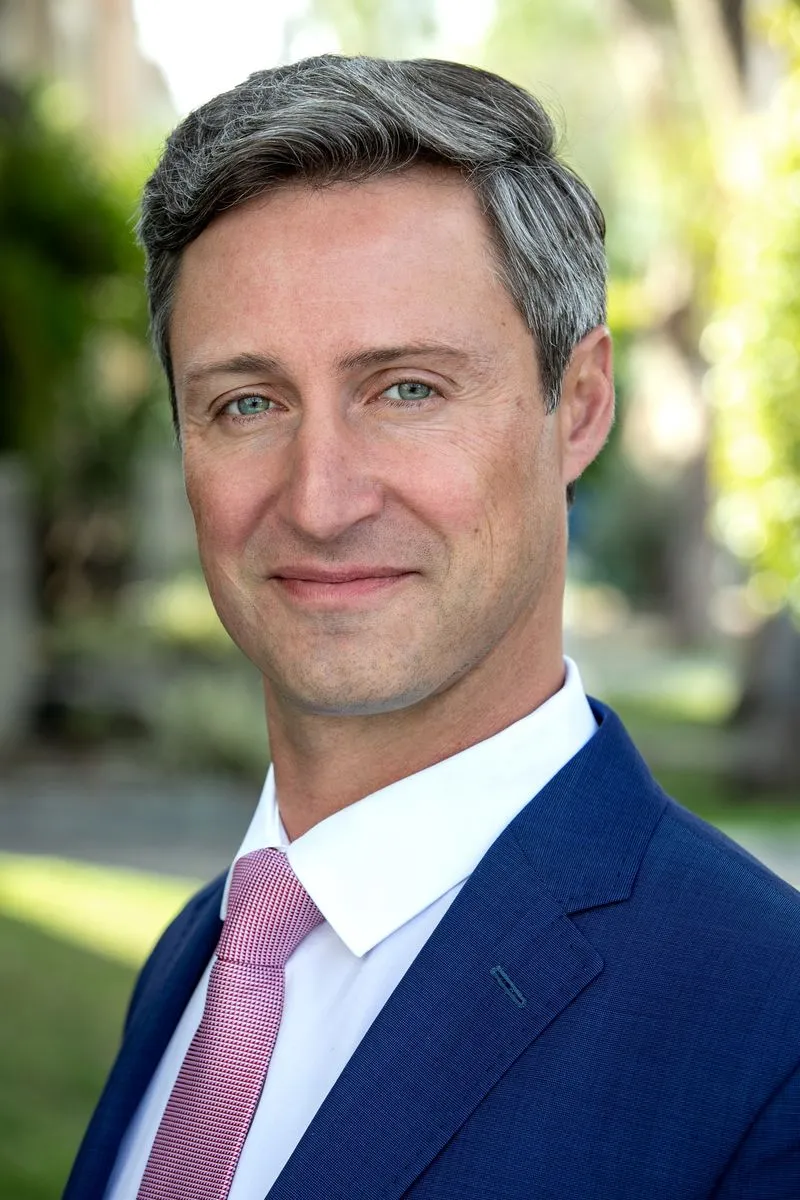
Trevor Damyan is a commercial mortgage broker at Commercial Lending Solutions with a background in structured finance at CBRE and Marcus and Millichap Capital Corporation. He specializes in bridge loans, construction financing, SBA programs, DSCR loans, and complex capital structures for investors and developers across all 50 states.
View full profile →