Flagstaff is one of Arizona's most supply-constrained secondary markets, sitting at 7,000 feet in the ponderosa pine forests of the Colorado Plateau with federal forest land bordering the city on virtually every side. The roughly 145,000-population metro is anchored by Northern Arizona University, serves as the primary lodging and retail gateway to the Grand Canyon, and continues to draw in-migration from Phoenix households seeking a cooler climate and outdoor lifestyle. That combination of institutional demand, tourism traffic, and legally capped land supply gives Flagstaff commercial real estate an unusually durable scarcity premium across every property type.
Flagstaff Market Overview: Key Metrics
The Flagstaff commercial real estate market in 2026 reflects a market shaped by Northern Arizona University (29000 students), Flagstaff Medical Center (Banner Health), Coconino County government, Burlington Northern Santa Fe Railway (main line operations), Arizona Snowbowl ski resort, Grand Canyon National Park (nearby gateway), Lowell Observatory. Here are the key metrics investors and borrowers should know:
- Multifamily Vacancy: 4.5%, well below the national average, signaling tight supply conditions
- Industrial Vacancy: 4.0%, among the tightest markets nationally
- Office Vacancy: 9.5%
- Retail Vacancy: 6.5%
- Rent Growth: 5.2% year-over-year
- Job Growth: 2.5%, outpacing the national average
- Population Growth: 1.5% annually
- Median Asking Rent: $1,650
Multifamily Outlook in Flagstaff
Flagstaff's apartment market is the tightest in Arizona outside metro Phoenix, with vacancy holding near 4.5 percent and rents up 5.2 percent year over year to a median asking rent of roughly $1,650. Federal forest land ringing the city prevents the suburban land release that normally cools rent growth elsewhere, concentrating demand in East Flagstaff, Flagstaff Ranch, and NAU-adjacent submarkets where student and workforce housing overlap. Cap rates of 5.50 to 7.00 percent for stabilized Class B product are compressing as institutional buyers recognize the structural undersupply, and well-located deals routinely draw competing bids from Phoenix and out-of-state capital.
Industrial & Logistics Market
Industrial space in Flagstaff is scarce and essentially fully leased, with vacancy near 4.0 percent and cap rates ranging 5.75 to 7.00 percent for stabilized product. Bellemont, just west of the city along Interstate 40, holds the bulk of usable flat land and functions as the metro's primary distribution and construction-staging corridor, reinforced by BNSF Railway's transcontinental main line running directly through Flagstaff. Limited new supply reflects the same federal land constraints that bind every other asset class, so existing buildings serving NAU's supply chain, regional contractors, and Grand Canyon area logistics see minimal downtime between tenants and steady rent growth.
Office & Retail Dynamics
Office vacancy in Flagstaff sits at a moderate 9.5 percent, with cap rates of 6.25 to 7.75 percent reflecting a smaller, less liquid market than the multifamily and industrial sectors; demand is anchored by Northern Arizona University's administrative footprint, Banner Health's outpatient expansion around Flagstaff Medical Center, and downtown professional services firms. Retail is considerably tighter, with vacancy near 6.5 percent and cap rates of 5.75 to 7.25 percent, driven by NAU student spending, year-round Grand Canyon visitor traffic, and the independent restaurant and retail scene along Heritage Square and San Francisco Street downtown, supplemented by Route 66 highway tourism.
Financing Landscape in Flagstaff
Commercial Lending Solutions arranges Flagstaff commercial real estate financing from $1 million upward, with the loan program fit driven by the market's scarcity dynamics. NAU-proximate multifamily draws aggressive Fannie Mae and Freddie Mac non-recourse execution, while life insurance companies compete for stabilized hospitality and net-lease retail given the demand-supply imbalance. Bridge facilities of 18 to 24 months support boutique hotel renovations near the Grand Canyon gateway and multifamily value-add near campus, and CMBS serves stabilized downtown retail and gateway hotel assets from $3 million. Construction financing is underwritten conservatively given Flagstaff's permitting complexity and elevation-driven cost and weather cycle timelines.
For borrowers in the Flagstaff area, current commercial mortgage rates range from 5.50% for agency multifamily to higher rates for transitional and value-add projects. Key factors that influence your rate include property type, leverage, sponsor experience, and asset location within the metro.
Top Submarkets to Watch
The Flagstaff metro features several distinct submarkets that present unique investment opportunities:
- Downtown Flagstaff
- East Flagstaff
- South Flagstaff
- Pulliam Airport Area
- Bellemont
- Williams AZ
- Winslow
- Cottonwood
- Prescott
- Sedona
- Jerome
- Camp Verde
Each of these submarkets has distinct characteristics in terms of tenant demand, development activity, and pricing. The top investment corridors in Flagstaff include East Flagstaff, Flagstaff Ranch, downtown Flagstaff, Bellemont, Parks, Williams, Sedona (nearby).
Investment Outlook: Flagstaff 2026
Flagstaff's 12 to 24 month outlook is firmly positive, supported by 2.5 percent job growth and 1.5 percent population growth that continue to outpace the supply federal land ownership allows the market to build. Continued NAU enrollment growth, expanding Grand Canyon tourism, and steady Phoenix-to-Flagstaff in-migration driven by climate and lifestyle preference are structural, not cyclical, demand drivers. Because the forest land constraint on new development is permanent rather than a temporary permitting bottleneck, rent growth and cap rate compression across multifamily, industrial, and retail should persist even if broader Arizona markets soften, making Flagstaff one of the more defensively positioned secondary metros in the Southwest.
CLS CRE in Flagstaff
CLS CRE provides commercial mortgage brokerage services throughout the Flagstaff metropolitan area, with access to 1,000+ lenders including banks, life insurance companies, CMBS conduits, agency lenders, debt funds, and credit unions. Whether you're acquiring, refinancing, or developing commercial property in Flagstaff, our market expertise and lender relationships help you secure the most competitive terms available.
Explore our financing programs for Flagstaff:
- Commercial Real Estate Loans in Flagstaff
- Bridge Loans in Flagstaff
- Permanent Loans in Flagstaff
- Construction Loans in Flagstaff
- Multifamily Financing in Flagstaff
- Industrial Financing in Flagstaff
- Retail Financing in Flagstaff
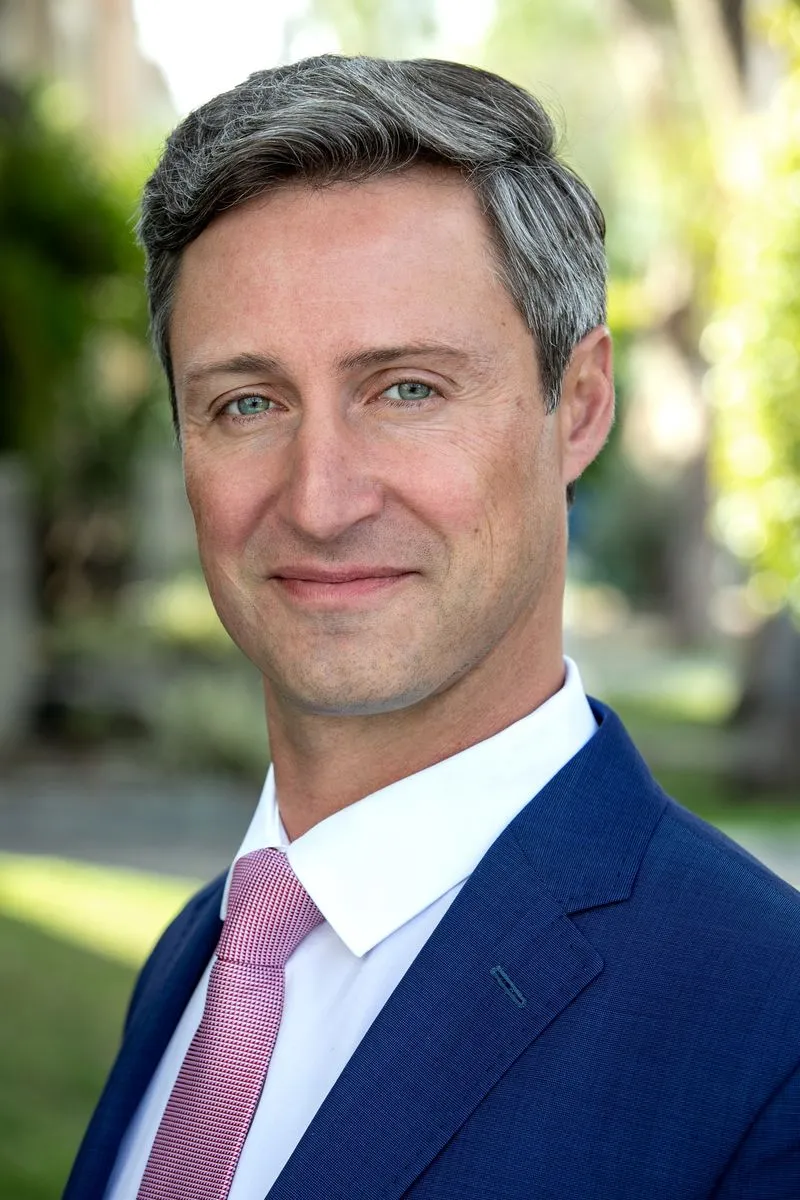
Trevor Damyan is a commercial mortgage broker at Commercial Lending Solutions with a background in structured finance at CBRE and Marcus and Millichap Capital Corporation. He specializes in bridge loans, construction financing, SBA programs, DSCR loans, and complex capital structures for investors and developers across all 50 states.
View full profile →