Flint anchors Genesee County in east-central Michigan, a metro of roughly 400,000 residents that has weathered severe post-industrial and infrastructure disruption over the past two decades. General Motors' Flint Assembly Complex, McLaren Flint and Hurley Medical Center, and the University of Michigan-Flint and Kettering University still anchor a diversified if reduced employment base. Commercial real estate performance is sharply bifurcated: the urban core carries genuine risk premiums, while suburban submarkets including Grand Blanc, Fenton, and Flint Township post fundamentals well ahead of metro wide averages.
Flint Market Overview: Key Metrics
The Flint commercial real estate market in 2026 reflects a market shaped by McLaren Flint (McLaren Health Care), Hurley Medical Center, General Motors (corporate and manufacturing), University of Michigan-Flint, Kettering University, Genesee County government, Diplomat Pharmacy, Citizens Republic Bancorp. Here are the key metrics investors and borrowers should know:
- Multifamily Vacancy: 10.5%, above the national average as new supply is absorbed
- Industrial Vacancy: 9.0%, normalizing as speculative development is absorbed
- Office Vacancy: 21.0%
- Retail Vacancy: 14.5%
- Rent Growth: 1.8% year-over-year
- Job Growth: 0.2%, tracking near the national average
- Population Growth: -1.2% annually
- Median Asking Rent: $700
Multifamily Outlook in Flint
Flint's metro wide multifamily vacancy of 10.5 percent masks a wide gap between the urban core and suburban submarkets. Grand Blanc and Flint Township apartment communities, priced at $30,000 to $55,000 per unit, run meaningfully tighter than the metro average and lease to a stable base of McLaren, Hurley, and General Motors workforce tenants. Cap rates of 8.50 to 11.00 percent price in genuine risk, and rent growth of 1.8 percent, against a median asking rent near $700, reflects modest but positive momentum in a market where suburban product commands the real premium over aging urban stock.
Industrial & Logistics Market
Industrial vacancy of 9.0 percent in the Flint metro reflects a market still tied closely to the automotive supply chain. General Motors' Flint Assembly Complex and its network of parts and logistics operations generate steady demand for warehouse and light manufacturing space, while the convergence of I-75 and I-69 gives Genesee County usable regional distribution access toward Detroit and beyond. Cap rates of 8.00 to 10.00 percent compensate investors for single industry concentration risk, and rents remain competitive for cost sensitive automotive suppliers and regional distributors rather than commanding premium logistics pricing.
Office & Retail Dynamics
Office vacancy in Flint is elevated at 21.0 percent, driven by a struggling downtown core, though suburban Grand Blanc and medical office corridors near McLaren and Hurley substantially outperform the metro average and represent the most defensible product. Retail tells a similarly split story: vacancy of 14.5 percent metro wide obscures healthy suburban performance in Grand Blanc and Fenton, where population growth and income demographics support national retailers, while the Genesee Valley Center trade area anchors regional retail and older urban Flint corridors carry the bulk of metro vacancy. Cap rates run 9.00 to 11.50 percent for office and 8.50 to 10.50 percent for retail.
Financing Landscape in Flint
Commercial Lending Solutions arranges financing across the Flint metro from $1 million upward, concentrating on suburban Grand Blanc, Fenton, and Flint Township assets where fundamentals support institutional capital. Bridge facilities of 12 to 18 months target suburban multifamily value-add in 1990s era apartment communities with healthcare and university workforce tenancy. Fannie Mae small balance programs and CMBS serve stabilized suburban multifamily and retail, with cap rates in the 8.50 to 11.00 percent range producing DSCR coverage that simplifies agency underwriting. Life insurance capital lends selectively on McLaren adjacent healthcare net lease assets.
For borrowers in the Flint area, current commercial mortgage rates range from 8.50% for agency multifamily to higher rates for transitional and value-add projects. Key factors that influence your rate include property type, leverage, sponsor experience, and asset location within the metro.
Top Submarkets to Watch
The Flint metro features several distinct submarkets that present unique investment opportunities:
- Downtown Flint
- East Side
- North End
- Flint Township
- Grand Blanc
- Burton
- Swartz Creek
- Fenton
- Holly
- Goodrich
- Davison
- Mount Morris
Each of these submarkets has distinct characteristics in terms of tenant demand, development activity, and pricing. The top investment corridors in Flint include Grand Blanc, Fenton, Flint Township, Burton, Davison, Swartz Creek, Clio, downtown Flint.
Investment Outlook: Flint 2026
Flint's near term outlook is modest and submarket dependent. Metro wide job growth of 0.2 percent and population decline of 1.2 percent confirm the urban core's continued contraction, but Grand Blanc, Fenton, and Swartz Creek are growing suburban communities with commercial fundamentals independent of that story. General Motors' continued manufacturing commitment and McLaren Health Care's clinical expansion provide stable anchor demand over the next 12 to 24 months, while ongoing public infrastructure investment tied to water crisis recovery could catalyze incremental private capital into the urban core over a longer horizon.
CLS CRE in Flint
CLS CRE provides commercial mortgage brokerage services throughout the Flint metropolitan area, with access to 1,000+ lenders including banks, life insurance companies, CMBS conduits, agency lenders, debt funds, and credit unions. Whether you're acquiring, refinancing, or developing commercial property in Flint, our market expertise and lender relationships help you secure the most competitive terms available.
Explore our financing programs for Flint:
- Commercial Real Estate Loans in Flint
- Bridge Loans in Flint
- Permanent Loans in Flint
- Construction Loans in Flint
- Multifamily Financing in Flint
- Industrial Financing in Flint
- Retail Financing in Flint
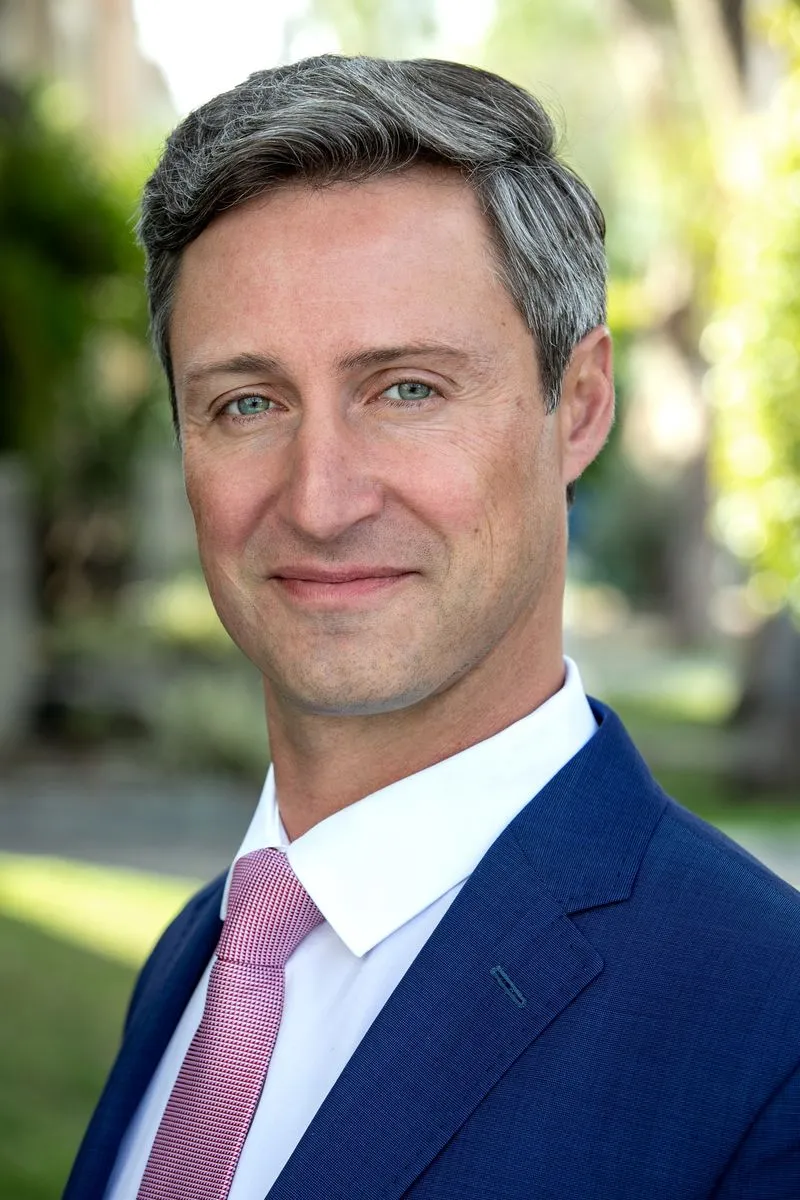
Trevor Damyan is a commercial mortgage broker at Commercial Lending Solutions with a background in structured finance at CBRE and Marcus and Millichap Capital Corporation. He specializes in bridge loans, construction financing, SBA programs, DSCR loans, and complex capital structures for investors and developers across all 50 states.
View full profile →