Midland anchors the Permian Basin, the most prolific oil field in the United States, and its commercial real estate market rises and falls with West Texas Intermediate crude prices more directly than almost any other metro in the country. Job growth of 3.8% and population growth of 2.1% over the past year reflect a metro riding a production upswing, with workforce housing, oilfield industrial space, and energy sector office demand all expanding in tandem. Investors here underwrite cycle risk as carefully as they underwrite in place income.
Midland Market Overview: Key Metrics
The Midland commercial real estate market in 2026 reflects a market shaped by Pioneer Natural Resources, Diamondback Energy, Permian Basin Royalty Trust, Midland Memorial Hospital, Schlumberger. Here are the key metrics investors and borrowers should know:
- Multifamily Vacancy: 4.5%, well below the national average, signaling tight supply conditions
- Industrial Vacancy: 5.8%, reflecting strong logistics and distribution demand
- Office Vacancy: 12.5%
- Retail Vacancy: 6.5%
- Rent Growth: 7.5% year-over-year
- Job Growth: 3.8%, outpacing the national average
- Population Growth: 2.1% annually
- Median Asking Rent: $1,450
Multifamily Outlook in Midland
Midland's apartment market is overwhelmingly workforce housing tied to Permian Basin operators, and it is tight: vacancy sits near 4.5% against 7.5% trailing rent growth, among the strongest in Texas, with median asking rent around $1,450. Cap rates run 5.75% to 6.50%, compressing further for Class A product near downtown and the Bush Convention Center. Occupancy is cyclical rather than stable, swinging 15 to 20 points between oil price peaks and troughs, so operators and lenders alike track WTI as closely as leasing velocity.
Industrial & Logistics Market
Industrial demand in Midland is a direct function of drilling activity, and vacancy near 5.8% with cap rates of 6.00% to 6.75% reflects a market still absorbing oilfield services space. Properties along the I-20 Energy Corridor with covered storage, truck scales, and laydown yards command the highest rents, serving equipment and pipe operations tied to employers like Schlumberger, Diamondback Energy, and Pioneer Natural Resources. Sale leaseback structures with oilfield operators are common, giving industrial owners contractual income even when spot activity slows.
Office & Retail Dynamics
Office demand in Midland comes almost entirely from energy companies, and 12.5% vacancy reflects the sector's boom and bust staffing pattern: Class A space near the Tall City Business Park fills quickly during upswings and softens when rig counts fall, while older energy company buildings see steady adaptive reuse interest. Retail is healthier, with vacancy near 6.5% supported by population growth tied to oil employment. The Midland Park Mall corridor and North Loop 250 anchor retail activity, and food and entertainment concepts serving oilfield workers consistently outperform discount and value formats.
Financing Landscape in Midland
CLS CRE underwrites Midland deals with explicit oil price stress testing built into every structure. Bridge loans, priced to a minimum 10% debt service coverage near $55 per barrel, fund oilfield services acquisitions and workforce housing along the Permian Basin. Permanent and agency financing is reserved for stabilized multifamily with occupancy proven through at least one downcycle, while construction lenders price spec risk heavily and favor presold or pre-leased collateral. SBA 504 supports owner occupied oilfield services facilities along I-20, and mezzanine debt bridges leverage gaps when senior lenders cap LTC at 55% to 60%.
For borrowers in the Midland area, current commercial mortgage rates range from 5.75% for agency multifamily to higher rates for transitional and value-add projects. Key factors that influence your rate include property type, leverage, sponsor experience, and asset location within the metro.
Top Submarkets to Watch
The Midland metro features several distinct submarkets that present unique investment opportunities:
- Downtown Midland
- North Midland
- South Midland
- Odessa
- Gardendale
- Garden City TX
- Andrews
- Stanton
- Big Spring
- Pecos
- Alpine
- Monahans
Each of these submarkets has distinct characteristics in terms of tenant demand, development activity, and pricing. The top investment corridors in Midland include Midland Downtown, West Midland, North Midland, Greenwood, Grassland.
Investment Outlook: Midland 2026
With job growth at 3.8% and population growth at 2.1%, Midland's near term trajectory tracks continued Permian Basin production and, by extension, WTI pricing over the next 12 to 24 months. Sustained crude prices above roughly $70 per barrel should keep multifamily absorption and industrial leasing firm along the I-20 corridor, while downtown adaptive reuse and early mixed use activity around Wall Street and Texas Avenue signal a market diversifying modestly beyond pure energy sector demand. A pullback in drilling activity remains the single largest risk to every property type.
CLS CRE in Midland
CLS CRE provides commercial mortgage brokerage services throughout the Midland metropolitan area, with access to 1,000+ lenders including banks, life insurance companies, CMBS conduits, agency lenders, debt funds, and credit unions. Whether you're acquiring, refinancing, or developing commercial property in Midland, our market expertise and lender relationships help you secure the most competitive terms available.
Explore our financing programs for Midland:
- Commercial Real Estate Loans in Midland
- Bridge Loans in Midland
- Permanent Loans in Midland
- Construction Loans in Midland
- Multifamily Financing in Midland
- Industrial Financing in Midland
- Retail Financing in Midland
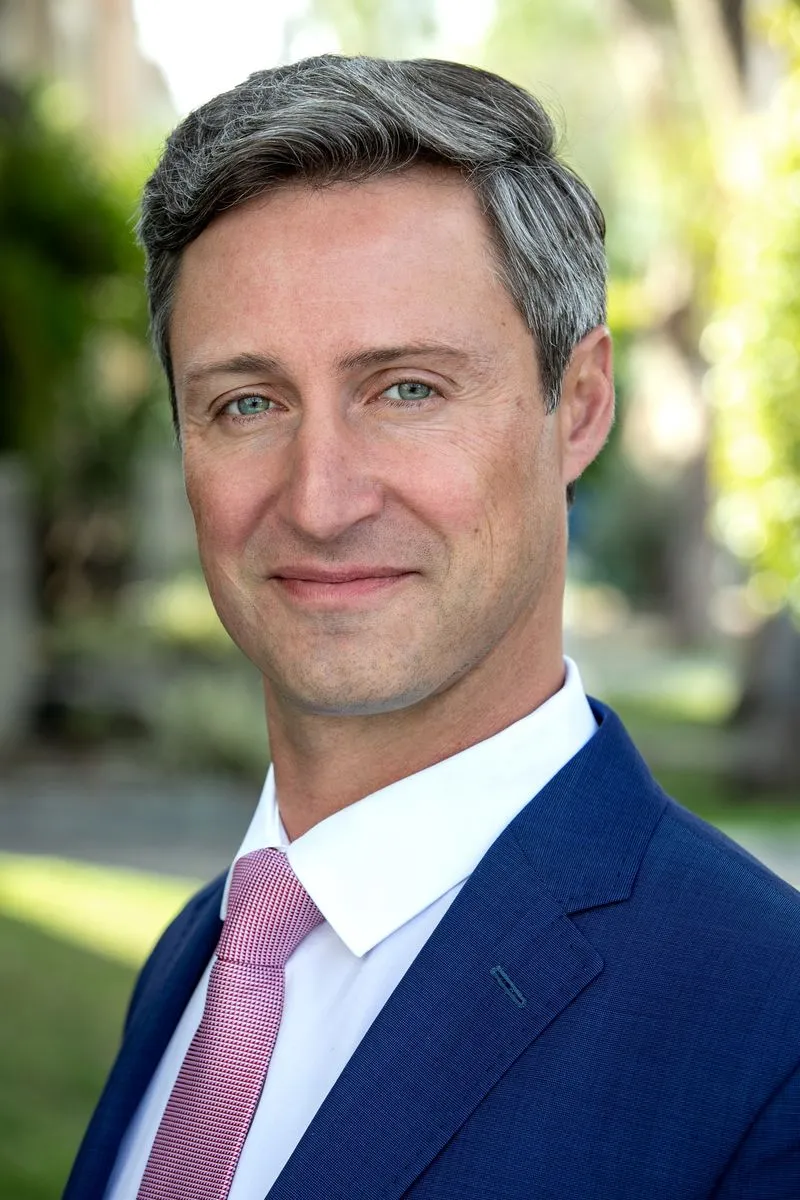
Trevor Damyan is a commercial mortgage broker at Commercial Lending Solutions with a background in structured finance at CBRE and Marcus and Millichap Capital Corporation. He specializes in bridge loans, construction financing, SBA programs, DSCR loans, and complex capital structures for investors and developers across all 50 states.
View full profile →