Springfield is Missouri's third-largest metro and functions as the dominant commercial hub for a multi-state trade area spanning southern Missouri, northern Arkansas, and eastern Kansas. The economy is anchored by Bass Pro Shops headquarters, a major healthcare system employing tens of thousands, and Missouri State University, creating a relatively recession-resistant employment base that supports steady but measured commercial real estate demand.
Springfield Market Overview: Key Metrics
The Springfield commercial real estate market in 2026 reflects a market shaped by healthcare and hospital systems, outdoor retail and manufacturing, higher education, logistics and distribution, regional government. Here are the key metrics investors and borrowers should know:
- Multifamily Vacancy: 6.9%, near the national average with healthy absorption
- Industrial Vacancy: 4.8%, among the tightest markets nationally
- Office Vacancy: 14.2%
- Retail Vacancy: 5.3%
- Rent Growth: 2.8% year-over-year
- Job Growth: 1.4%, tracking near the national average
- Population Growth: 0.7% annually
- Median Asking Rent: $895
Multifamily Outlook in Springfield
Multifamily vacancy in Springfield sits at 6.9%, reflecting a modest supply addition cycle over the past two years that has kept pace with household formation rather than overwhelming it. Rent growth has moderated to 2.8% annually, consistent with the market's income profile and the competitive pressure from single-family rental stock that is more prevalent here than in larger metros. Missouri State University and the healthcare cluster create a durable renter base that insulates the market from sharp cyclical swings.
Industrial & Logistics Market
Industrial vacancy at 4.8% reflects tight conditions driven by the Bass Pro Shops supply chain ecosystem, regional distribution demand for the Ozarks trade area, and a growing logistics tenant base serving the I-44 and U.S. 60 corridors. The Republic industrial corridor southwest of the city has attracted food processing, outdoor products manufacturing, and third-party logistics users who value the metro's central position between Kansas City and Memphis. New speculative development has been limited, keeping rent pressure in favor of existing owners.
Office & Retail Dynamics
Springfield's office market carries a 14.2% vacancy rate, with older suburban office parks along South Campbell and the Glenstone corridor facing the most persistent tenant contraction as professional services firms consolidate footprints post-pandemic. Retail at 5.3% vacancy is the stronger story, anchored by Springfield's outsized role as a regional shopping destination for a trade area of roughly 500,000 people, and the Ozark and Nixa corridors on the southern fringe continue to absorb new necessity-retail and quick-service formats at a healthy pace.
Financing Landscape in Springfield
Springfield's lending landscape is anchored by a deep community bank and credit union base that is active for deals under $10 million, while regional banks with Missouri franchises step in for mid-market transactions in the $10 million to $30 million range. Agency execution through Fannie Mae small balance and Freddie Mac programs is available for qualifying stabilized multifamily, though Springfield's rent levels mean loan proceeds are modest relative to coastal markets. Life company and CMBS lenders are selective here, generally requiring stabilized occupancy above 90% and demonstrable trade-area dominance before committing capital.
For borrowers in the Springfield MO area, current commercial mortgage rates range from 6.25% for agency multifamily to higher rates for transitional and value-add projects. Key factors that influence your rate include property type, leverage, sponsor experience, and asset location within the metro.
Top Submarkets to Watch
The Springfield metro features several distinct submarkets that present unique investment opportunities:
- Downtown Springfield
- South Springfield
- East Springfield
- Republic
- Ozark
- Nixa
- Branson
- Rogersville
- Willard
- Strafford
- Fair Grove
- Logan-Rogersville
Each of these submarkets has distinct characteristics in terms of tenant demand, development activity, and pricing. The top investment corridors in Springfield include Downtown Springfield, South Springfield, Republic industrial corridor, Ozark and Nixa retail.
Investment Outlook: Springfield 2026
Springfield enters 2026 with fundamentals that favor patient capital over opportunistic repositioning plays, as rent growth is real but incremental and cap rate compression is unlikely given the market's tertiary classification in most institutional underwriting frameworks. The strongest near-term opportunities are in industrial assets along the Republic corridor, grocery-anchored retail serving the southern suburban growth communities of Ozark and Nixa, and workforce multifamily near the healthcare employment core. Investors who understand the Bass Pro Shops supply chain, the healthcare system's ongoing capital program, and Missouri State's enrollment stability will find a market with durable cash flow at yields that are difficult to source in larger Midwest metros.
CLS CRE in Springfield
CLS CRE provides commercial mortgage brokerage services throughout the Springfield MO metropolitan area, with access to 1,000+ lenders including banks, life insurance companies, CMBS conduits, agency lenders, debt funds, and credit unions. Whether you're acquiring, refinancing, or developing commercial property in Springfield, our market expertise and lender relationships help you secure the most competitive terms available.
Explore our financing programs for Springfield:
- Commercial Real Estate Loans in Springfield
- Bridge Loans in Springfield
- Permanent Loans in Springfield
- Construction Loans in Springfield
- Multifamily Financing in Springfield
- Industrial Financing in Springfield
- Retail Financing in Springfield
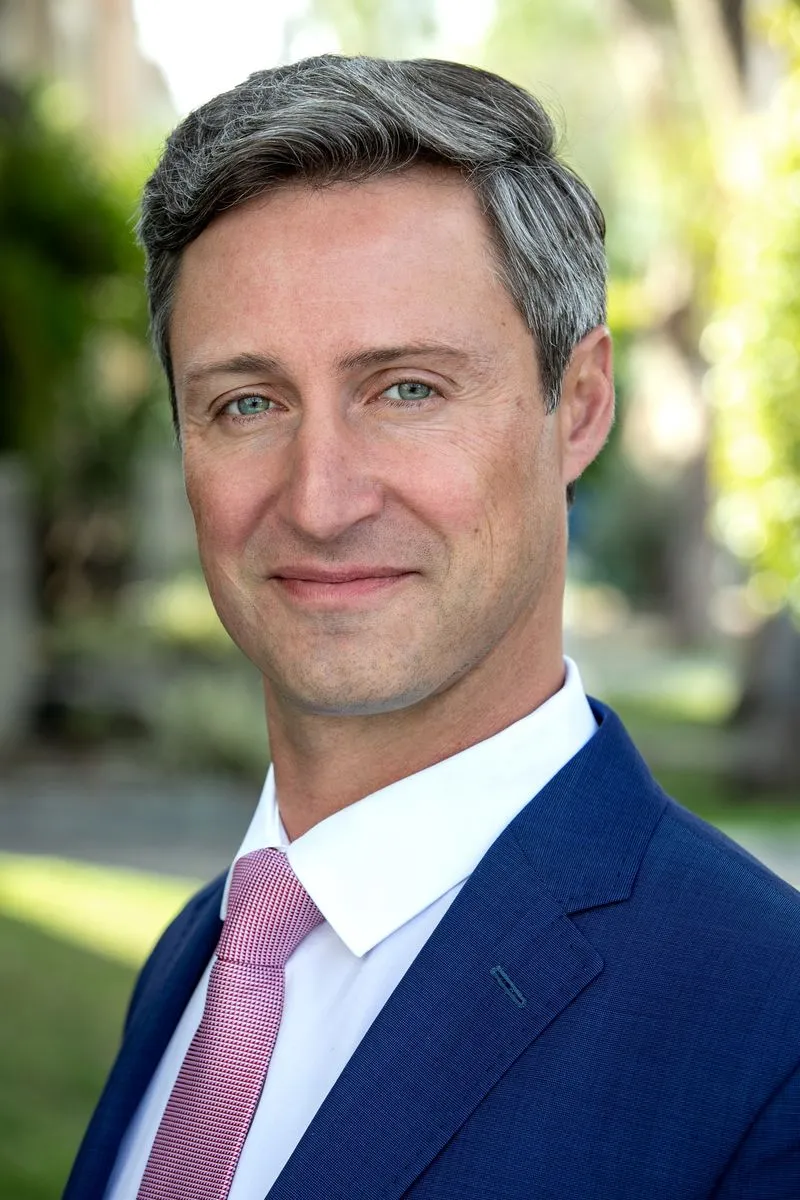
Trevor Damyan is a commercial mortgage broker at Commercial Lending Solutions with a background in structured finance at CBRE and Marcus and Millichap Capital Corporation. He specializes in bridge loans, construction financing, SBA programs, DSCR loans, and complex capital structures for investors and developers across all 50 states.
View full profile →