Tyler is East Texas's dominant regional economic center, anchored by a healthcare corridor stretching along South Broadway and Loop 49 and reinforced by higher education and food distribution. UT Health Tyler, Christus Trinity Mother Frances, and the University of Texas at Tyler collectively employ well over 8,000 people and give the market an unusually deep, recession resistant employment base for a metro this size. Commercial real estate here trades on healthcare adjacent fundamentals: medical office, workforce housing, and senior care assets command the tightest pricing across the Tyler Downtown, South Broadway Medical Corridor, and Loop 323 submarkets.
Tyler Market Overview: Key Metrics
The Tyler commercial real estate market in 2026 reflects a market shaped by UT Health Tyler, Christus Trinity Mother Frances, University of Texas at Tyler, Tyler ISD, Brookshire Grocery Company. Here are the key metrics investors and borrowers should know:
- Multifamily Vacancy: 6.8%, near the national average with healthy absorption
- Industrial Vacancy: 7.2%, normalizing as speculative development is absorbed
- Office Vacancy: 13.5%
- Retail Vacancy: 7.8%
- Rent Growth: 4.8% year-over-year
- Job Growth: 1.8%, tracking near the national average
- Population Growth: 1.2% annually
- Median Asking Rent: $1,050
Multifamily Outlook in Tyler
Tyler's apartment market is tight and improving, with vacancy at 6.8 percent and asking rents up 4.8 percent year over year, among the strongest rent growth rates in the East Texas region. Demand is concentrated near UT Health Tyler and Christus Trinity Mother Frances, where properties within a 10 minute drive of the hospital campuses command 5 to 10 percent occupancy premiums over the broader market. Class B and C workforce housing dominates investor demand, and stabilized assets trade at cap rates of 6.00 to 6.75 percent, reflecting healthcare driven rent durability that institutional buyers increasingly recognize.
Industrial & Logistics Market
Industrial demand in Tyler is growing at a steady, if modest, pace along the US 69 distribution corridor and the Loop 49 connector, with vacancy holding at 7.2 percent. Brookshire Grocery Company, headquartered locally, anchors a food distribution and light manufacturing base that continues to draw e commerce and regional logistics tenants seeking access to both the Dallas Fort Worth and Houston freight corridors. Cap rates for stabilized industrial product run 6.50 to 7.25 percent. Tyler lacks the scale of a major port or interstate hub, so growth here is incremental rather than explosive, but tenant demand has stayed consistent through the cycle.
Office & Retail Dynamics
Tyler's office and retail markets tell different stories. Office vacancy sits elevated at 13.5 percent, weighed down by aging traditional professional space near downtown, while purpose built medical office along South Broadway, developed adjacent to the hospital campuses, leases quickly at premium rents and skews the submarket average. Retail is considerably healthier at 7.8 percent vacancy, supported by a roughly 60 mile trade area pulling shoppers from across East Texas into the Broadway Avenue and South Side corridors. Grocery anchored centers in growing residential neighborhoods are the most sought after retail product, commanding cap rates in the 6.75 to 7.50 percent range.
Financing Landscape in Tyler
CLS CRE approaches the Tyler market with a healthcare and workforce housing lens, matching capital structure to the metro's defining demand driver. Bridge loans most commonly fund value-add multifamily near the medical corridor and acquisitions in the growing Loop 49 submarket, typically underwritten with 90 to 120 days of local market data. Permanent financing is well supported by community and regional banks, with life company interest increasing as Tyler crosses institutional size thresholds. Freddie Mac SBL and Fannie Mae DUS programs fit the market's dominant 80 to 250 unit multifamily asset class, and SBA 504 financing supports owner occupied medical office acquisitions near the hospital cluster.
For borrowers in the Tyler area, current commercial mortgage rates range from 6.00% for agency multifamily to higher rates for transitional and value-add projects. Key factors that influence your rate include property type, leverage, sponsor experience, and asset location within the metro.
Top Submarkets to Watch
The Tyler metro features several distinct submarkets that present unique investment opportunities:
- Downtown Tyler
- South Tyler
- North Tyler
- Longview
- Marshall TX
- Nacogdoches
- Kilgore
- Henderson
- Jacksonville TX
- Athens TX
- Palestine TX
- Corsicana
Each of these submarkets has distinct characteristics in terms of tenant demand, development activity, and pricing. The top investment corridors in Tyler include Tyler Downtown, South Broadway Medical Corridor, Loop 323, Whitehouse, Lindale.
Investment Outlook: Tyler 2026
Over the next 12 to 24 months, expect Tyler's healthcare anchored economy to keep outperforming its size, with job growth of 1.8 percent and population growth of 1.2 percent supporting continued absorption across multifamily and medical office. Rent growth near 4.8 percent should moderate but stay above the state average as workforce housing supply lags hospital system hiring. Industrial will expand steadily along the US 69 and Loop 49 corridors rather than surge, and office performance will remain bifurcated, with healthcare adjacent space outperforming legacy downtown stock. Institutional capital's growing willingness to underwrite Tyler multifamily is the clearest structural shift to watch.
CLS CRE in Tyler
CLS CRE provides commercial mortgage brokerage services throughout the Tyler metropolitan area, with access to 1,000+ lenders including banks, life insurance companies, CMBS conduits, agency lenders, debt funds, and credit unions. Whether you're acquiring, refinancing, or developing commercial property in Tyler, our market expertise and lender relationships help you secure the most competitive terms available.
Explore our financing programs for Tyler:
- Commercial Real Estate Loans in Tyler
- Bridge Loans in Tyler
- Permanent Loans in Tyler
- Construction Loans in Tyler
- Multifamily Financing in Tyler
- Industrial Financing in Tyler
- Retail Financing in Tyler
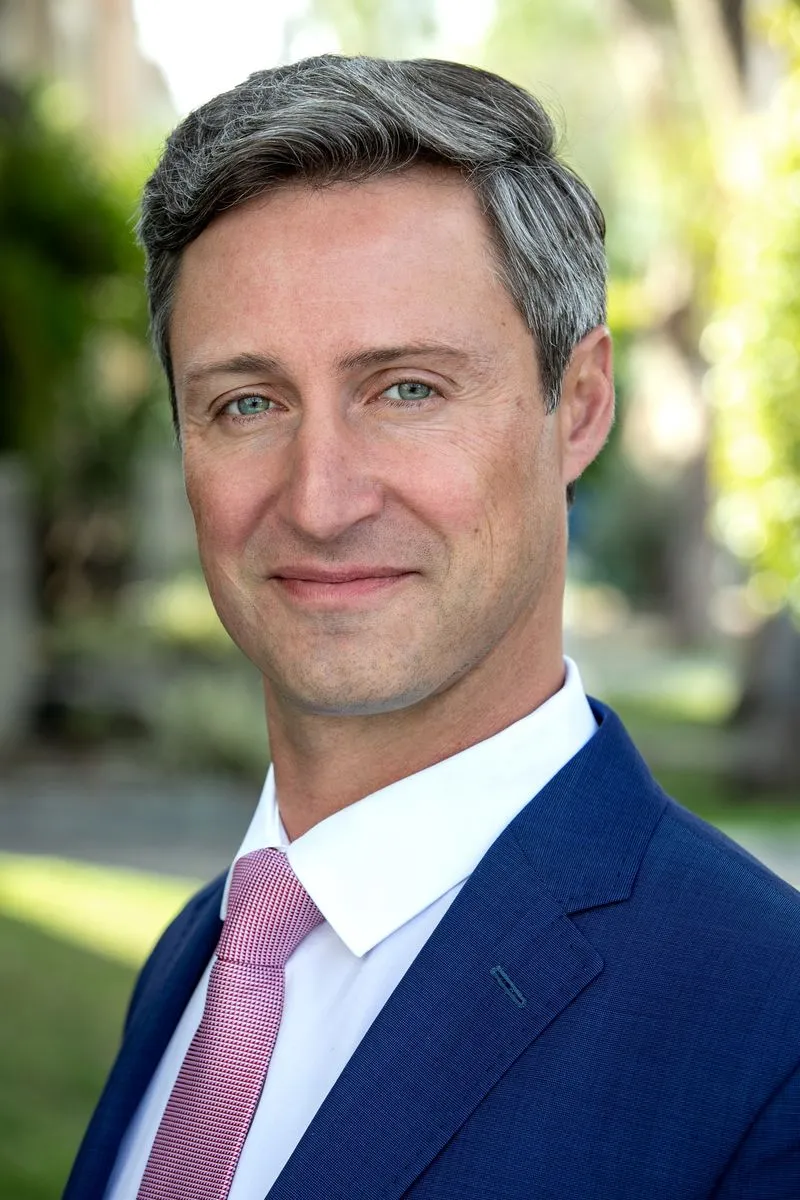
Trevor Damyan is a commercial mortgage broker at Commercial Lending Solutions with a background in structured finance at CBRE and Marcus and Millichap Capital Corporation. He specializes in bridge loans, construction financing, SBA programs, DSCR loans, and complex capital structures for investors and developers across all 50 states.
View full profile →