Youngstown anchors the Mahoning Valley in northeastern Ohio, a metro of roughly 535,000 people that has never fully replaced the employment lost when its steel industry contracted decades ago. Job growth of 0.3% and population decline of 0.9% annually reflect that long structural adjustment, yet healthcare, higher education, and regional manufacturing still anchor real demand. Cap rates among the highest in Ohio draw value-focused investors willing to underwrite a market defined by patient, income-driven returns rather than growth.
Youngstown Market Overview: Key Metrics
The Youngstown commercial real estate market in 2026 reflects a market shaped by Mercy Health (Bon Secours), St. Elizabeth Health Center, Youngstown State University, Mahoning County government, General Motors (nearby Lordstown), Phar-Mor Center, Vallourec Star, Turning Technologies. Here are the key metrics investors and borrowers should know:
- Multifamily Vacancy: 9.0%, above the national average as new supply is absorbed
- Industrial Vacancy: 8.5%, normalizing as speculative development is absorbed
- Office Vacancy: 19.0%
- Retail Vacancy: 13.5%
- Rent Growth: 1.5% year-over-year
- Job Growth: 0.3%, tracking near the national average
- Population Growth: -0.9% annually
- Median Asking Rent: $750
Multifamily Outlook in Youngstown
Youngstown's apartment market carries 9.0% vacancy and cap rates of 8.00% to 10.00%, among the widest spreads in Ohio, with rent growth holding at a modest 1.5% and median asking rent near $750. Suburban Boardman and Poland Township outperform the urban core, where 1980s and 1990s garden complexes trade at per-unit prices well below $30,000. Renovated, stabilized product in these submarkets generates cash-on-cash yields of 12% to 15% for investors underwriting to the healthcare and university workforce tenant base that anchors occupancy.
Industrial & Logistics Market
Industrial vacancy sits at 8.5% with cap rates of 7.75% to 9.50%, reflecting a market still working through the legacy of Vallourec Star's steel tube operations and a broader manufacturing supply chain that has contracted from its peak. Positioning along the Ohio Turnpike and I-76 gives Youngstown industrial product access to the Pittsburgh and Cleveland logistics networks, supporting regional distribution and light manufacturing users. Average rents remain among the lowest in Ohio, which continues to attract cost-sensitive tenants even as broader industrial demand nationally has cooled.
Office & Retail Dynamics
Office vacancy is elevated at 19.0% (cap rates 9.00% to 11.00%), driven by work-from-home adoption and population decline eroding suburban professional employment; medical office tied to Mercy Health and St. Elizabeth Health Center is the most defensible segment, alongside Youngstown State University's Williamson Hall administrative complex downtown. Retail vacancy of 13.5% (cap rates 8.25% to 10.00%) bifurcates sharply: Boardman's Southern Park Mall trade area and Market Street corridor hold healthy grocery-anchored occupancy, while urban Youngstown retail faces the region's most difficult structural vacancy.
Financing Landscape in Youngstown
Commercial Lending Solutions arranges Youngstown metro financing from $1 million upward, concentrated on suburban Mahoning County assets in Boardman, Canfield, and Poland Township. Bridge facilities of 12 to 18 months fund value-add multifamily acquisitions priced well below replacement cost, while Fannie Mae small balance and CMBS programs take out stabilized suburban multifamily, net-lease retail, and healthcare-adjacent office once occupancy is demonstrated. High cap rates across the market produce strong DSCR coverage, which keeps underwriting straightforward for lenders once a sponsor's business plan is proven out.
For borrowers in the Youngstown-Warren area, current commercial mortgage rates range from 8.00% for agency multifamily to higher rates for transitional and value-add projects. Key factors that influence your rate include property type, leverage, sponsor experience, and asset location within the metro.
Top Submarkets to Watch
The Youngstown metro features several distinct submarkets that present unique investment opportunities:
- Downtown Youngstown
- North Side
- South Side
- Warren
- Boardman
- Austintown
- Canfield
- Niles
- Girard
- Hubbard
- Campbell
- Struthers
Each of these submarkets has distinct characteristics in terms of tenant demand, development activity, and pricing. The top investment corridors in Youngstown include Boardman, Canfield, Poland, Austintown, Niles, Warren, Howland Township, downtown Youngstown.
Investment Outlook: Youngstown 2026
Youngstown's 12 to 24 month outlook is one of stabilization rather than growth: job growth of 0.3% and population decline of 0.9% point to a market still contracting in aggregate, even as suburban submarkets diverge from the urban core. Continued Mercy Health and St. Elizabeth campus expansion remains the most reliable demand driver for medical office and multifamily alike, while the Youngstown Business Incubator's technology spin-offs offer a nascent, if modest, diversification story. Investors underwriting suburban medical office, net-lease retail, and workforce multifamily should continue to find durable, yield-driven opportunity.
CLS CRE in Youngstown
CLS CRE provides commercial mortgage brokerage services throughout the Youngstown-Warren metropolitan area, with access to 1,000+ lenders including banks, life insurance companies, CMBS conduits, agency lenders, debt funds, and credit unions. Whether you're acquiring, refinancing, or developing commercial property in Youngstown, our market expertise and lender relationships help you secure the most competitive terms available.
Explore our financing programs for Youngstown:
- Commercial Real Estate Loans in Youngstown
- Bridge Loans in Youngstown
- Permanent Loans in Youngstown
- Construction Loans in Youngstown
- Multifamily Financing in Youngstown
- Industrial Financing in Youngstown
- Retail Financing in Youngstown
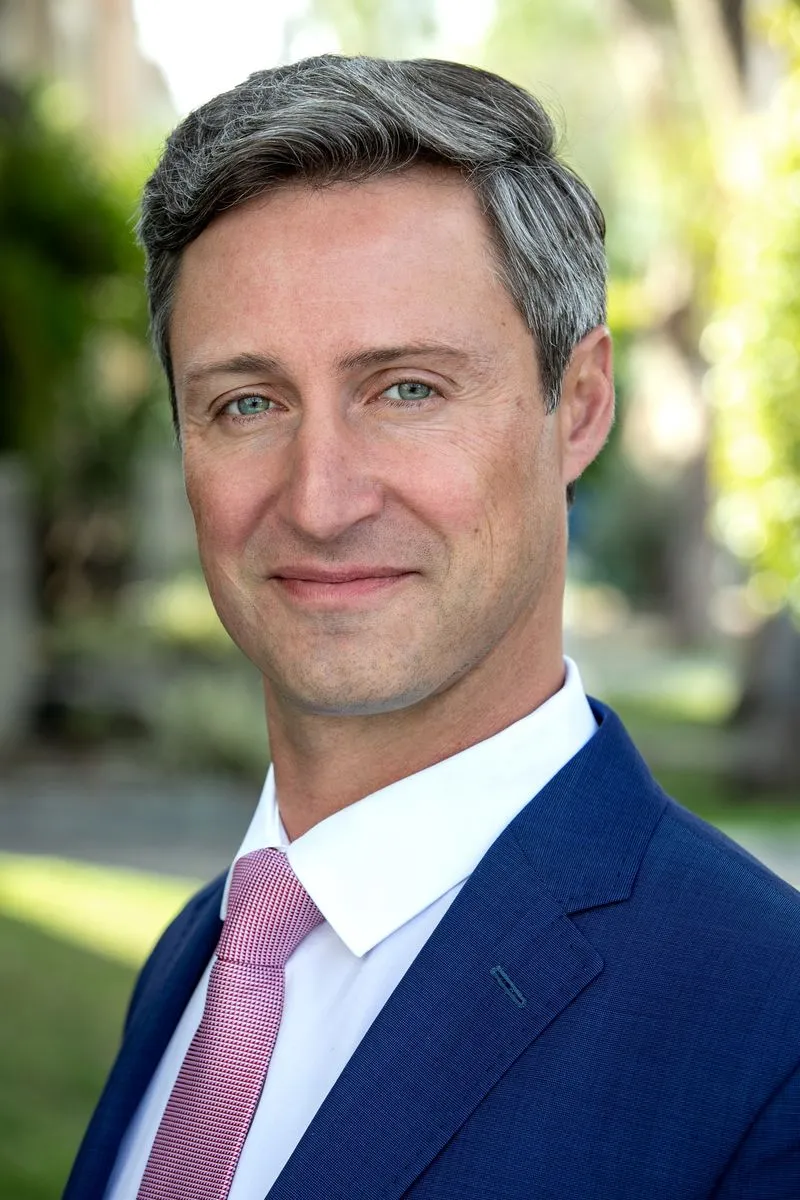
Trevor Damyan is a commercial mortgage broker at Commercial Lending Solutions with a background in structured finance at CBRE and Marcus and Millichap Capital Corporation. He specializes in bridge loans, construction financing, SBA programs, DSCR loans, and complex capital structures for investors and developers across all 50 states.
View full profile →