Fargo's hospitality market is anchored by corporate demand from financial services, healthcare, and agricultural industry travelers visiting the metro's growing professional employer base, supplemented by NDSU event demand including football season, graduation, and conference traffic that creates concentrated occupancy spikes around the Fargodome and the NDSU campus corridor. The I-94 interchange cluster near the Fargo airport and the Downtown Fargo select-service corridor represent the two strongest hotel investment submarkets, with RevPAR performance that is stable on an annual basis but subject to meaningful seasonal variance given North Dakota's harsh winter climate and the market's limited leisure and tourism demand outside of university events. Cap rates for well-positioned select-service properties in Fargo trade in the 8.00% to 8.75% range, and lenders with hospitality experience in upper Midwest markets are available for qualified sponsors, though underwriting conservatism on DSCR minimums of 1.45x or higher reflects the operational variability inherent in a mid-sized Plains market with limited convention infrastructure.
Hospitality Market Overview: Fargo 2026
The Fargo hospitality market in 2026 reflects the metro's broader economic momentum, driven by agriculture and agribusiness, healthcare, technology and financial services, higher education, manufacturing. Key metrics for hospitality investors:
- Hospitality Vacancy: 34.5%
- Hospitality Cap Rates: 8.00%-9.50%
- Metro Rent Growth: 3.1% year-over-year
- Job Growth: 1.8%
- Population Growth: 1.2%
- Median Asking Rent: $1,095
Hospitality Subtypes in Fargo
The Fargo hospitality market encompasses a range of property subtypes, each with distinct risk-return profiles and financing requirements:
- Full-Service Hotels
- Limited-Service / Select-Service
- Boutique & Independent Hotels
- Extended Stay
- Resorts & Spas
- Entertainment Venues
- Conference & Event Centers
- Specialty Hospitality (Aquariums, TopGolf, etc.)
Each subtype has different lender appetite, underwriting criteria, and optimal financing structures. Understanding which subtypes perform best in Fargo's specific market conditions is critical for investment success.
Key Investment Metrics
Hospitality investors evaluating Fargo should focus on these key performance indicators:
- Cap Rate Spread: Fargo hospitality cap rates at 8.00%-9.50% compare favorably to national averages, reflecting attractive yields for investors seeking current cash flow
- Rent Growth Trajectory: 3.1% annual rent growth supports both value-add and core investment strategies
- Supply Pipeline: New hospitality construction activity should be evaluated relative to the market's absorption capacity
- Tenant Quality: The Fargo metro's major employment sectors (agriculture and agribusiness, healthcare, technology and financial services, higher education, manufacturing) drive hospitality tenant demand and creditworthiness
Financing Options for Hospitality in Fargo
Hospitality properties in Fargo can be financed through multiple capital sources, each with distinct advantages:
- Bank Permanent Loans
- CMBS
- SBA 504 / 7(a)
- Bridge Loans
- Construction & Renovation
- Mezzanine & Preferred Equity
The optimal financing structure depends on your business plan (core hold, value-add, or development), the property's current condition and occupancy, and your desired leverage and hold period. In the Fargo market, lenders are most competitive for well-located assets with strong fundamentals and experienced sponsors.
Financing a hospitality deal in Fargo? This guide covers the investment landscape. For current terms, capital sources, and a free quote, go to our Hospitality Financing in Fargo, ND page or call (310) 708-0690.
Top Submarkets for Hospitality Investment
The Fargo metro features several distinct submarkets for hospitality investment, each with unique characteristics:
- Downtown Fargo: offering distinct opportunities within the broader Fargo hospitality market
- South Fargo: offering distinct opportunities within the broader Fargo hospitality market
- West Fargo: offering distinct opportunities within the broader Fargo hospitality market
- North Fargo: offering distinct opportunities within the broader Fargo hospitality market
- Moorhead MN: offering distinct opportunities within the broader Fargo hospitality market
- Dilworth: offering distinct opportunities within the broader Fargo hospitality market
- Horace: offering distinct opportunities within the broader Fargo hospitality market
- Harwood: offering distinct opportunities within the broader Fargo hospitality market
- Casselton: offering distinct opportunities within the broader Fargo hospitality market
- West Acres: offering distinct opportunities within the broader Fargo hospitality market
- Osgood: offering distinct opportunities within the broader Fargo hospitality market
- Mapleton: offering distinct opportunities within the broader Fargo hospitality market
The most active investment corridors for hospitality in Fargo include Downtown Fargo, South Fargo, West Fargo, Moorhead MN. Submarket selection significantly impacts both returns and financing terms, as lenders evaluate location-specific metrics in their underwriting.
Investment Thesis: Hospitality in Fargo
The investment case for hospitality in Fargo rests on several structural factors:
- Economic Fundamentals: 1.8% job growth and 1.2% population growth create durable demand
- Market Pricing: Cap rates at 8.00%-9.50% offer attractive entry points relative to coastal gateway markets
- Financing Environment: The Fargo market's depth and lender familiarity support competitive borrowing costs
- Growth Potential: 3.1% rent growth supports improving cash flows over the hold period
Fargo anchors the Northern Plains economy through a concentrated mix of agricultural technology, financial services, and healthcare that has quietly made it one of the most recession-resistant mid-size metros between Minneapolis and Seattle. North Dakota State University, with over 12,000 students and nationally recognized programs in agricultural engineering, polymer science, and software development, feeds a tech ecosystem that includes Intelligent InSites, Appareo Systems, and a deepening cluster of precision agriculture software firms. Sanford Health and Essentia Health together operate competing regional medical campuses that have driven sustained medical office and outpatient facility development across South Fargo and into Moorhead, making healthcare one of the two largest private employment sectors in the metro. Industrial demand is shaped by the I-94 and I-29 interchange, which positions West Fargo and Casselton as genuine distribution nodes for eastern North Dakota and western Minnesota, and vacancy in functional bulk space has stayed tight as regional carriers and agricultural input suppliers compete for modern logistics product. Multifamily fundamentals hold up well given NDSU enrollment, a consistent draw of transplants from rural North Dakota, and a cost-of-living spread versus Minneapolis that keeps demand from tipping over into oversupply. The absence of a state income tax in North Dakota, combined with a relatively permissive development environment in suburban corridors like Horace and Osgood, pushes new construction activity outward while downtown Fargo benefits from historic tax credit programs that have recycled older brick-and-timber buildings into mixed-use product with genuine lease-up velocity.
CLS CRE: Hospitality Financing in Fargo
CLS CRE specializes in hospitality financing throughout the Fargo metropolitan area. With access to 1,000+ lenders, we match your specific hospitality investment with the right capital source at the most competitive terms available.
Related resources:
- Hospitality Financing: National Overview
- Hospitality Financing in Fargo: Rates & Terms
- Commercial Real Estate Loans in Fargo
- Bridge Loans in Fargo
- Permanent Loans in Fargo
- Construction Loans in Fargo
- Fargo Commercial Real Estate Market Report 2026
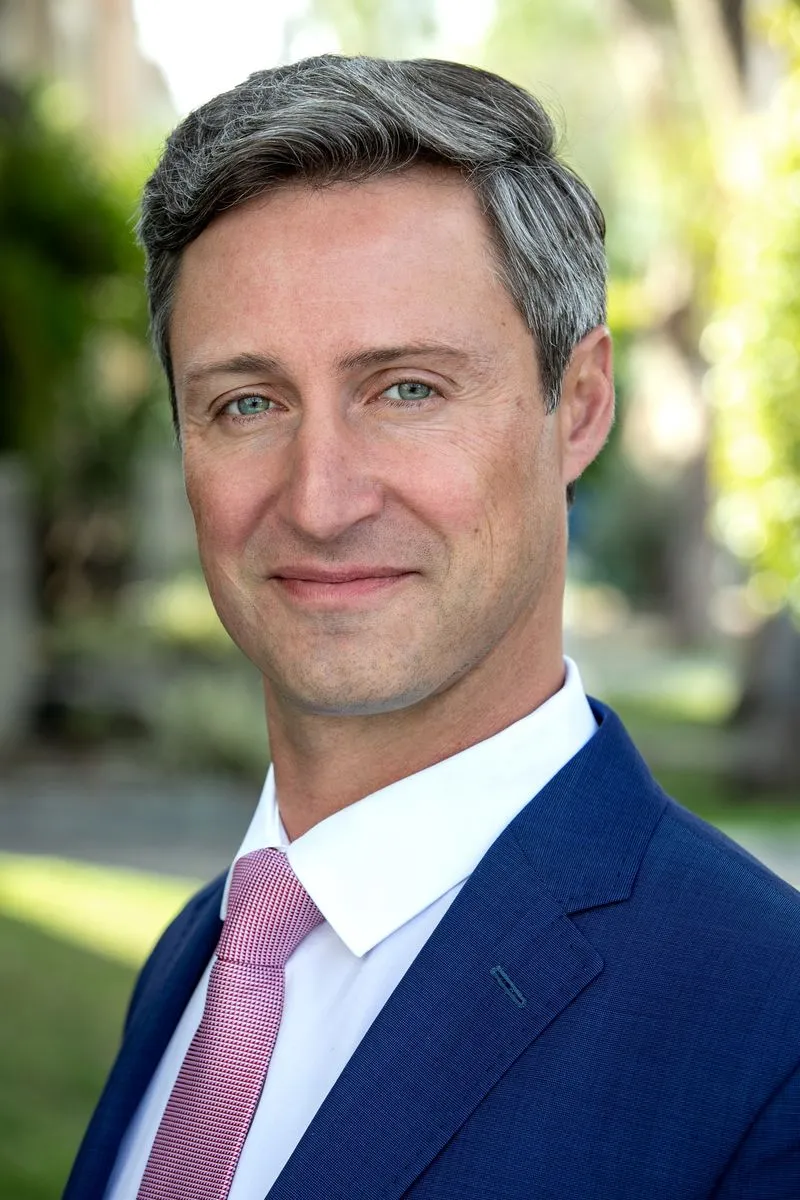
Trevor Damyan is a commercial mortgage broker at Commercial Lending Solutions with a background in structured finance at CBRE and Marcus and Millichap Capital Corporation. He specializes in bridge loans, construction financing, SBA programs, DSCR loans, and complex capital structures for investors and developers across all 50 states.
View full profile →