Hospitality investing in Salt Lake City benefits from a powerful dual demand engine combining year-round leisure travel tied to world-class ski resorts including Alta, Snowbird, Brighton, and Solitude within 45 minutes of the city, and a growing corporate and convention demand base anchored by the Salt Palace Convention Center and the expanding Silicon Slopes corporate campus visitor market. Downtown Salt Lake City select-service hotels affiliated with Marriott, Hilton, and IHG flags have posted consistent RevPAR growth and represent the most liquid investment segment, while boutique and independent properties in the Sugar House and 9th and 9th neighborhoods command premium ADR from leisure travelers seeking a more local experience. The Park City and Cottonwood Canyons ski resort corridors represent a distinct investment submarket where boutique lodges, extended-stay properties, and condo-hotel structures attract specialty debt funds and private equity given the seasonal revenue concentration that requires more flexible underwriting than stabilized urban hotels. Typical stabilized cap rates on full-service and select-service hotel assets in the metro range from 7.00% to 8.50%, reflecting the risk premium lenders and investors assign to hospitality relative to multifamily and industrial in the same market.
Hospitality Market Overview: Salt Lake City 2026
The Salt Lake City hospitality market in 2026 reflects the metro's broader economic momentum, driven by Technology and Silicon Slopes software firms, Healthcare and life sciences, Financial services and fintech, Government and defense contracting. Key metrics for hospitality investors:
- Hospitality Vacancy: 28.5%
- Hospitality Cap Rates: 7.00%-8.50%
- Metro Rent Growth: 3.8% year-over-year
- Job Growth: 2.9%
- Population Growth: 2.1%
- Median Asking Rent: $1,840
Hospitality Subtypes in Salt Lake City
The Salt Lake City hospitality market encompasses a range of property subtypes, each with distinct risk-return profiles and financing requirements:
- Full-Service Hotels
- Limited-Service / Select-Service
- Boutique & Independent Hotels
- Extended Stay
- Resorts & Spas
- Entertainment Venues
- Conference & Event Centers
- Specialty Hospitality (Aquariums, TopGolf, etc.)
Each subtype has different lender appetite, underwriting criteria, and optimal financing structures. Understanding which subtypes perform best in Salt Lake City's specific market conditions is critical for investment success.
Key Investment Metrics
Hospitality investors evaluating Salt Lake City should focus on these key performance indicators:
- Cap Rate Spread: Salt Lake City hospitality cap rates at 7.00%-8.50% compare favorably to national averages, reflecting attractive yields for investors seeking current cash flow
- Rent Growth Trajectory: 3.8% annual rent growth supports both value-add and core investment strategies
- Supply Pipeline: New hospitality construction activity should be evaluated relative to the market's absorption capacity
- Tenant Quality: The Salt Lake City metro's major employment sectors (Technology and Silicon Slopes software firms, Healthcare and life sciences, Financial services and fintech, Government and defense contracting) drive hospitality tenant demand and creditworthiness
Financing Options for Hospitality in Salt Lake City
Hospitality properties in Salt Lake City can be financed through multiple capital sources, each with distinct advantages:
- Bank Permanent Loans
- CMBS
- SBA 504 / 7(a)
- Bridge Loans
- Construction & Renovation
- Mezzanine & Preferred Equity
The optimal financing structure depends on your business plan (core hold, value-add, or development), the property's current condition and occupancy, and your desired leverage and hold period. In the Salt Lake City market, lenders are most competitive for well-located assets with strong fundamentals and experienced sponsors.
Financing a hospitality deal in Salt Lake City? This guide covers the investment landscape. For current terms, capital sources, and a free quote, go to our Hospitality Financing in Salt Lake City, UT page or call (310) 708-0690.
Top Submarkets for Hospitality Investment
The Salt Lake City-West Valley City-Provo metro features several distinct submarkets for hospitality investment, each with unique characteristics:
- Downtown SLC: offering distinct opportunities within the broader Salt Lake City hospitality market
- Sugar House: offering distinct opportunities within the broader Salt Lake City hospitality market
- Sandy: offering distinct opportunities within the broader Salt Lake City hospitality market
- Provo: offering distinct opportunities within the broader Salt Lake City hospitality market
- Lehi: offering distinct opportunities within the broader Salt Lake City hospitality market
- Park City: offering distinct opportunities within the broader Salt Lake City hospitality market
The most active investment corridors for hospitality in Salt Lake City include Silicon Slopes Lehi-Draper corridor, Downtown Salt Lake City, Sugar House, West Jordan-South Jordan. Submarket selection significantly impacts both returns and financing terms, as lenders evaluate location-specific metrics in their underwriting.
Investment Thesis: Hospitality in Salt Lake City
The investment case for hospitality in Salt Lake City rests on several structural factors:
- Economic Fundamentals: 2.9% job growth and 2.1% population growth create durable demand
- Market Pricing: Cap rates at 7.00%-8.50% offer attractive entry points relative to coastal gateway markets
- Financing Environment: The Salt Lake City market's depth and lender familiarity support competitive borrowing costs
- Growth Potential: 3.8% rent growth supports improving cash flows over the hold period
Salt Lake City's commercial real estate market is anchored by the Silicon Slopes technology corridor stretching from Lehi through Draper and Sandy, where Adobe, Qualtrics, Domo, and dozens of venture-backed software companies have concentrated significant office and R&D footprints that rival mid-tier coastal tech markets on an absorption-per-capita basis. The University of Utah and its associated research institutes, including the Huntsman Cancer Institute and the university's technology transfer programs, reinforce a life sciences cluster that has been steadily filling medical office and lab-conversion inventory along the research park corridor east of downtown. Multifamily demand remains structurally elevated across the metro because the state's demographic profile, one of the youngest median-age populations in the country driven partly by LDS Church membership patterns, produces household formation rates that consistently outrun new unit deliveries in Supply-constrained submarkets like Sugar House and downtown Salt Lake City. Industrial absorption in the West Valley City and Salt Lake City International Airport corridors has been driven by e-commerce distribution buildout and aerospace manufacturing, with Northrop Grumman's solid rocket motor operations in nearby Promontory adding defense-sector depth to the broader industrial base. Office underwriting in suburban Lehi carries more confidence than in many peer metros because tenant rosters skew toward profitable software firms rather than early-stage startups. Utah's lack of local income tax complexity and a comparatively streamlined entitlement process relative to western neighbors like California make development underwriting more predictable, though rising construction costs and land prices along the Wasatch Front have begun compressing returns on ground-up multifamily in ways that were not present before 2021.
CLS CRE: Hospitality Financing in Salt Lake City
CLS CRE specializes in hospitality financing throughout the Salt Lake City-West Valley City-Provo metropolitan area. With access to 1,000+ lenders, we match your specific hospitality investment with the right capital source at the most competitive terms available.
Related resources:
- Hospitality Financing: National Overview
- Hospitality Financing in Salt Lake City: Rates & Terms
- Commercial Real Estate Loans in Salt Lake City
- Bridge Loans in Salt Lake City
- Permanent Loans in Salt Lake City
- Construction Loans in Salt Lake City
- Salt Lake City Commercial Real Estate Market Report 2026
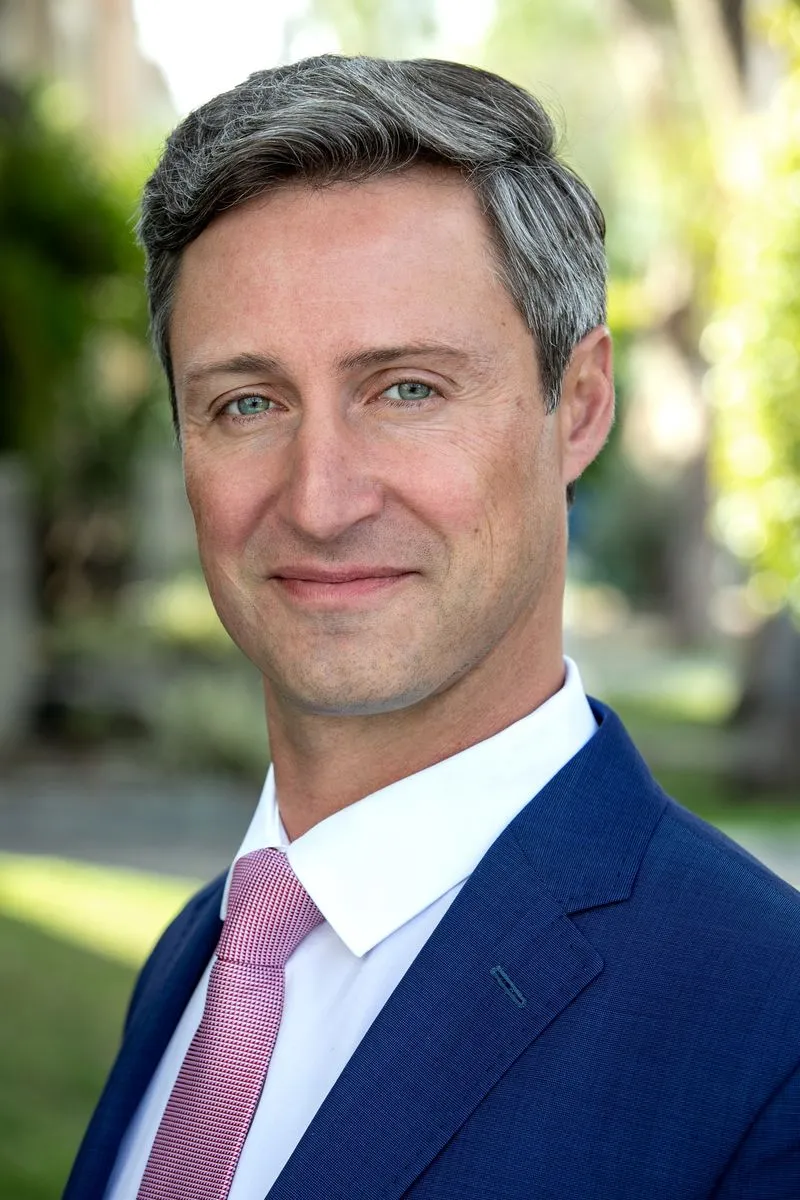
Trevor Damyan is a commercial mortgage broker at Commercial Lending Solutions with a background in structured finance at CBRE and Marcus and Millichap Capital Corporation. He specializes in bridge loans, construction financing, SBA programs, DSCR loans, and complex capital structures for investors and developers across all 50 states.
View full profile →