Industrial investment in Jacksonville is driven by JAXPORT's expansion, the Southeast's e-commerce distribution build-out, and the metro's strategic position along I-95 and I-10 connecting the entire East Coast and Gulf networks. The I-295 West Beltway corridor, Imeson Road industrial park, and Cecil Commerce Center are the most active investment and development submarkets, with institutional buyers competing for Class A bulk product at sub-5.5% cap rates. Smaller bay and flex product in Westside infill locations is attracting private investors seeking higher yields in the 6%-7% range with strong rent growth potential. Development activity remains elevated but disciplined, with most speculative projects backed by proven developers with strong pre-leasing track records and regional bank construction financing in place.
Industrial Market Overview: Jacksonville 2026
The Jacksonville industrial market in 2026 reflects the metro's broader economic momentum, driven by Logistics and port operations, healthcare and life sciences, financial and insurance services, military and defense. Key metrics for industrial investors:
- Industrial Vacancy: 5.8%
- Industrial Cap Rates: 5.00%-6.00%
- Metro Rent Growth: 3.4% year-over-year
- Job Growth: 2.8%
- Population Growth: 2.3%
- Median Asking Rent: $1,720
Industrial Subtypes in Jacksonville
The Jacksonville industrial market encompasses a range of property subtypes, each with distinct risk-return profiles and financing requirements:
- Distribution & Logistics Centers
- Cold Storage & Food Processing
- Manufacturing & Production
- Flex / R&D Space
- Truck Terminals & Cross-Dock
- Data Centers
- Self-Storage
- Industrial Showrooms
Each subtype has different lender appetite, underwriting criteria, and optimal financing structures. Understanding which subtypes perform best in Jacksonville's specific market conditions is critical for investment success.
Key Investment Metrics
Industrial investors evaluating Jacksonville should focus on these key performance indicators:
- Cap Rate Spread: Jacksonville industrial cap rates at 5.00%-6.00% compare favorably to national averages, reflecting the market's premium fundamentals and institutional demand
- Rent Growth Trajectory: 3.4% annual rent growth supports both value-add and core investment strategies
- Supply Pipeline: New industrial construction activity should be evaluated relative to the market's absorption capacity
- Tenant Quality: The Jacksonville metro's major employment sectors (Logistics and port operations, healthcare and life sciences, financial and insurance services, military and defense) drive industrial tenant demand and creditworthiness
Financing Options for Industrial in Jacksonville
Industrial properties in Jacksonville can be financed through multiple capital sources, each with distinct advantages:
- Bank Permanent Loans
- Life Insurance Company Loans
- CMBS
- Bridge Loans
- Construction Loans
- SBA 504 (Owner-Occupied)
The optimal financing structure depends on your business plan (core hold, value-add, or development), the property's current condition and occupancy, and your desired leverage and hold period. In the Jacksonville market, lenders are most competitive for well-located assets with strong fundamentals and experienced sponsors.
Financing a industrial deal in Jacksonville? This guide covers the investment landscape. For current terms, capital sources, and a free quote, go to our Industrial Financing in Jacksonville, FL page or call (310) 708-0690.
Top Submarkets for Industrial Investment
The Jacksonville-Ponte Vedra Beach-St. Marys metro features several distinct submarkets for industrial investment, each with unique characteristics:
- Downtown Jacksonville: offering distinct opportunities within the broader Jacksonville industrial market
- San Marco: offering distinct opportunities within the broader Jacksonville industrial market
- Southside: offering distinct opportunities within the broader Jacksonville industrial market
- Ponte Vedra: offering distinct opportunities within the broader Jacksonville industrial market
- Fleming Island: offering distinct opportunities within the broader Jacksonville industrial market
- Riverside: offering distinct opportunities within the broader Jacksonville industrial market
The most active investment corridors for industrial in Jacksonville include Southside, Westside industrial corridor, Riverside-Avondale, St. Johns County. Submarket selection significantly impacts both returns and financing terms, as lenders evaluate location-specific metrics in their underwriting.
Investment Thesis: Industrial in Jacksonville
The investment case for industrial in Jacksonville rests on several structural factors:
- Economic Fundamentals: 2.8% job growth and 2.3% population growth create durable demand
- Market Pricing: Cap rates at 5.00%-6.00% offer institutional-quality assets at competitive yields
- Financing Environment: The Jacksonville market's depth and lender familiarity support competitive borrowing costs
- Growth Potential: 3.4% rent growth supports improving cash flows over the hold period
Jacksonville's economic foundation rests on three distinct pillars: a major deepwater port complex operated by the Jacksonville Port Authority (JAXPORT), one of the largest naval installations in the world at Naval Station Mayport and Naval Air Station Jacksonville, and a concentrated financial and insurance back-office sector anchored by Fidelity National Financial, Fidelity National Information Services (FIS), Fortegra, and a cluster of national banks that have relocated processing and technology operations here over the past two decades. That military and financial services combination drives steady demand for Southside and Deerwood office product, where large-floor-plate Class A and B buildings have absorbed corporate users who have exited higher-cost Florida metros. Industrial fundamentals are arguably the strongest story in the market: JAXPORT's ongoing berth-deepening program and Amazon's regional fulfillment network have pushed Class A warehouse vacancy in the Westside and airport corridors to historically tight levels, pulling institutional capital from coastal logistics markets into a market that still prices below Miami or Tampa on a per-square-foot basis. Multifamily demand is geographically bifurcated, with Riverside and San Marco commanding lifestyle premiums from a younger professional renter base while Fleming Island and the St. Johns County corridor attract workforce and family renters priced out of Ponte Vedra. The county's consolidated city-county government structure and comparatively permissive land-use framework have historically allowed supply to respond to demand faster than peer Florida metros, which keeps underwriters honest about rent growth assumptions and cap rate compression timelines.
CLS CRE: Industrial Financing in Jacksonville
CLS CRE specializes in industrial financing throughout the Jacksonville-Ponte Vedra Beach-St. Marys metropolitan area. With access to 1,000+ lenders, we match your specific industrial investment with the right capital source at the most competitive terms available.
Related resources:
- Industrial Financing: National Overview
- Industrial Financing in Jacksonville: Rates & Terms
- Commercial Real Estate Loans in Jacksonville
- Bridge Loans in Jacksonville
- Permanent Loans in Jacksonville
- Construction Loans in Jacksonville
- Jacksonville Commercial Real Estate Market Report 2026
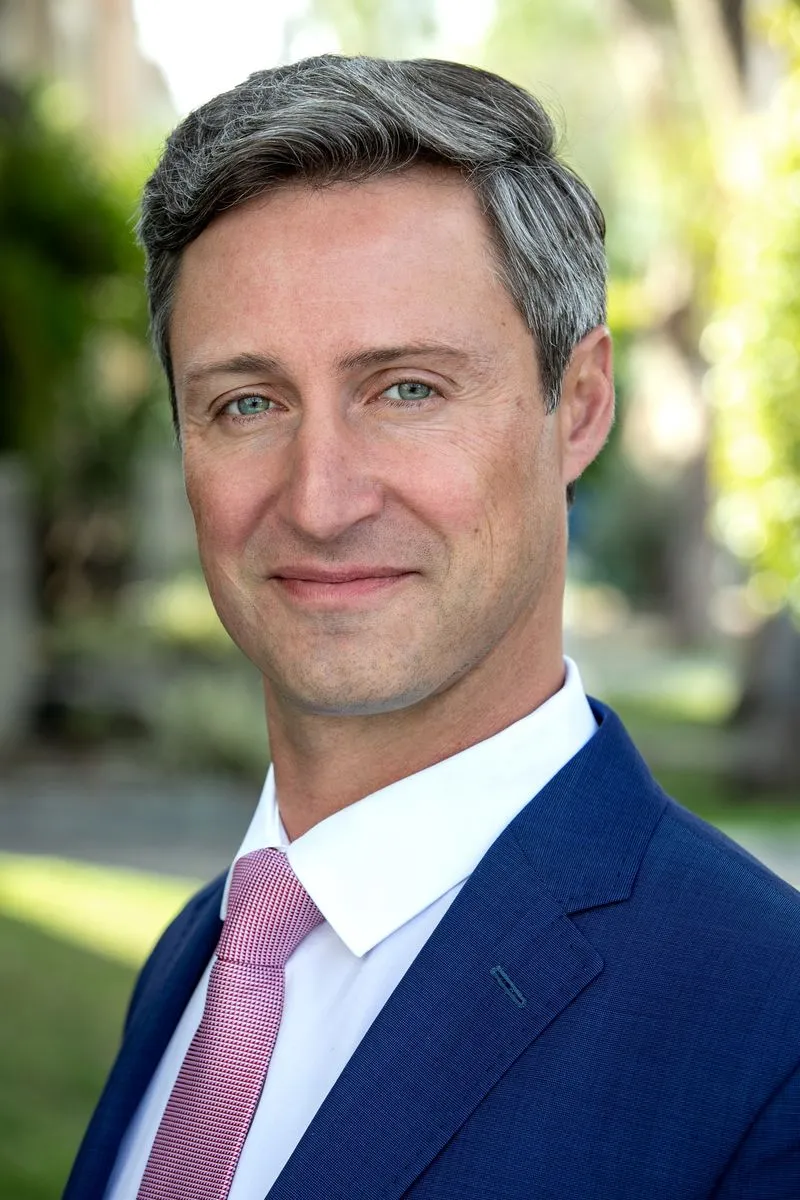
Trevor Damyan is a commercial mortgage broker at Commercial Lending Solutions with a background in structured finance at CBRE and Marcus and Millichap Capital Corporation. He specializes in bridge loans, construction financing, SBA programs, DSCR loans, and complex capital structures for investors and developers across all 50 states.
View full profile →