Orlando's mixed-use investment market is centered on transit-oriented and walkable urban nodes including the SunRail corridor stops, the Downtown Creative Village, Winter Park's Park Avenue district, and the emerging Lake Nona Town Center, where live-work-play demand from young professionals and medical workers is driving strong leasing across residential, retail, and office components. Developers and investors are targeting 1-5 acre infill sites in Colonialtown, Thornton Park, and the Milk District where zoning supports ground-floor retail with residential above and demand from locally-owned food and beverage, fitness, and boutique retail tenants is strong. Financing mixed-use projects in Orlando requires a lender with appetite for blended collateral, and construction lenders are generally more comfortable with projects where the residential component represents at least 60%-70% of NOI at stabilization. Cap rates on stabilized mixed-use product are ranging from 5.75%-6.75% depending on tenant mix and submarket, with Downtown and Park Avenue assets at the tight end of that range.
Mixed-Use Market Overview: Orlando 2026
The Orlando mixed-use market in 2026 reflects the metro's broader economic momentum, driven by Tourism and hospitality, defense and aerospace, healthcare and life sciences, technology and simulation. Key metrics for mixed-use investors:
- Mixed-Use Vacancy: 7.2%
- Mixed-Use Cap Rates: 5.75%-6.75%
- Metro Rent Growth: 3.8% year-over-year
- Job Growth: 3.2%
- Population Growth: 2.6%
- Median Asking Rent: $1,890
Mixed-Use Subtypes in Orlando
The Orlando mixed-use market encompasses a range of property subtypes, each with distinct risk-return profiles and financing requirements:
- Retail + Residential
- Office + Residential
- Live-Work Spaces
- Transit-Oriented Development
- Land & Development Sites
- Adaptive Reuse & Conversion
- Ground-Floor Commercial + Apartments
- Mixed-Use Portfolios
Each subtype has different lender appetite, underwriting criteria, and optimal financing structures. Understanding which subtypes perform best in Orlando's specific market conditions is critical for investment success.
Key Investment Metrics
Mixed-Use investors evaluating Orlando should focus on these key performance indicators:
- Cap Rate Spread: Orlando mixed-use cap rates at 5.75%-6.75% compare favorably to national averages, reflecting attractive yields for investors seeking current cash flow
- Rent Growth Trajectory: 3.8% annual rent growth supports both value-add and core investment strategies
- Supply Pipeline: New mixed-use construction activity should be evaluated relative to the market's absorption capacity
- Tenant Quality: The Orlando metro's major employment sectors (Tourism and hospitality, defense and aerospace, healthcare and life sciences, technology and simulation) drive mixed-use tenant demand and creditworthiness
Financing Options for Mixed-Use in Orlando
Mixed-Use properties in Orlando can be financed through multiple capital sources, each with distinct advantages:
- Bank Permanent Loans
- Bridge Loans
- Construction Loans
- CMBS
- Agency (If 80%+ Residential)
- Mezzanine & Preferred Equity
The optimal financing structure depends on your business plan (core hold, value-add, or development), the property's current condition and occupancy, and your desired leverage and hold period. In the Orlando market, lenders are most competitive for well-located assets with strong fundamentals and experienced sponsors.
Financing a mixed-use deal in Orlando? This guide covers the investment landscape. For current terms, capital sources, and a free quote, go to our Mixed-Use Financing in Orlando, FL page or call (310) 708-0690.
Top Submarkets for Mixed-Use Investment
The Orlando-Kissimmee-Sanford metro features several distinct submarkets for mixed-use investment, each with unique characteristics:
- Downtown Orlando: offering distinct opportunities within the broader Orlando mixed-use market
- Lake Nona: offering distinct opportunities within the broader Orlando mixed-use market
- Winter Park: offering distinct opportunities within the broader Orlando mixed-use market
- Kissimmee: offering distinct opportunities within the broader Orlando mixed-use market
- Dr. Phillips: offering distinct opportunities within the broader Orlando mixed-use market
- Altamonte Springs: offering distinct opportunities within the broader Orlando mixed-use market
The most active investment corridors for mixed-use in Orlando include Lake Nona, Lake Mary/Heathrow, Downtown Orlando/Creative Village, International Drive. Submarket selection significantly impacts both returns and financing terms, as lenders evaluate location-specific metrics in their underwriting.
Investment Thesis: Mixed-Use in Orlando
The investment case for mixed-use in Orlando rests on several structural factors:
- Economic Fundamentals: 3.2% job growth and 2.6% population growth create durable demand
- Market Pricing: Cap rates at 5.75%-6.75% offer attractive entry points relative to coastal gateway markets
- Financing Environment: The Orlando market's depth and lender familiarity support competitive borrowing costs
- Growth Potential: 3.8% rent growth supports improving cash flows over the hold period
Orlando's economic foundation rests on three distinct pillars that few Sun Belt metros can replicate: a global tourism and hospitality infrastructure anchored by Walt Disney World, Universal Orlando Resort, and the Orange County Convention Center (the second largest convention facility in the country), a rapidly maturing life sciences and defense technology cluster, and a medical city buildout at Lake Nona that has no regional precedent in scale or ambition. Lake Nona's Medical City concentration, which includes the UCF College of Medicine, Nemours Children's Hospital, the Veterans Affairs Medical Center, and a growing roster of health technology companies, is generating sustained medical office and lab absorption that underwriters are still learning to model accurately. Lockheed Martin, Northrop Grumman, and L3Harris Technologies anchor a defense and simulation corridor along the U.S. Route 441 and Interstate 4 spine, driving Class A office and flex industrial demand in Altamonte Springs and the eastern suburbs. Multifamily fundamentals remain among the strongest in the Southeast, fueled by a University of Central Florida enrollment exceeding 70,000 students and a hospitality workforce that generates steady Class B and workforce housing demand in Kissimmee and the U.S. Highway 192 corridor. Industrial product in the Orlando submarket has benefited from e-commerce penetration targeting Florida's population center, with last-mile facilities absorbing quickly along the State Road 528 and Interstate 4 interchange zones. The absence of a state income tax continues to pull corporate back-office relocations from higher-tax states, and Florida's relatively landlord-friendly regulatory environment keeps cap rate spreads tighter than comparable Southeast metros with more restrictive zoning regimes.
CLS CRE: Mixed-Use Financing in Orlando
CLS CRE specializes in mixed-use financing throughout the Orlando-Kissimmee-Sanford metropolitan area. With access to 1,000+ lenders, we match your specific mixed-use investment with the right capital source at the most competitive terms available.
Related resources:
- Mixed-Use Financing: National Overview
- Mixed-Use Financing in Orlando: Rates & Terms
- Commercial Real Estate Loans in Orlando
- Bridge Loans in Orlando
- Permanent Loans in Orlando
- Construction Loans in Orlando
- Orlando Commercial Real Estate Market Report 2026
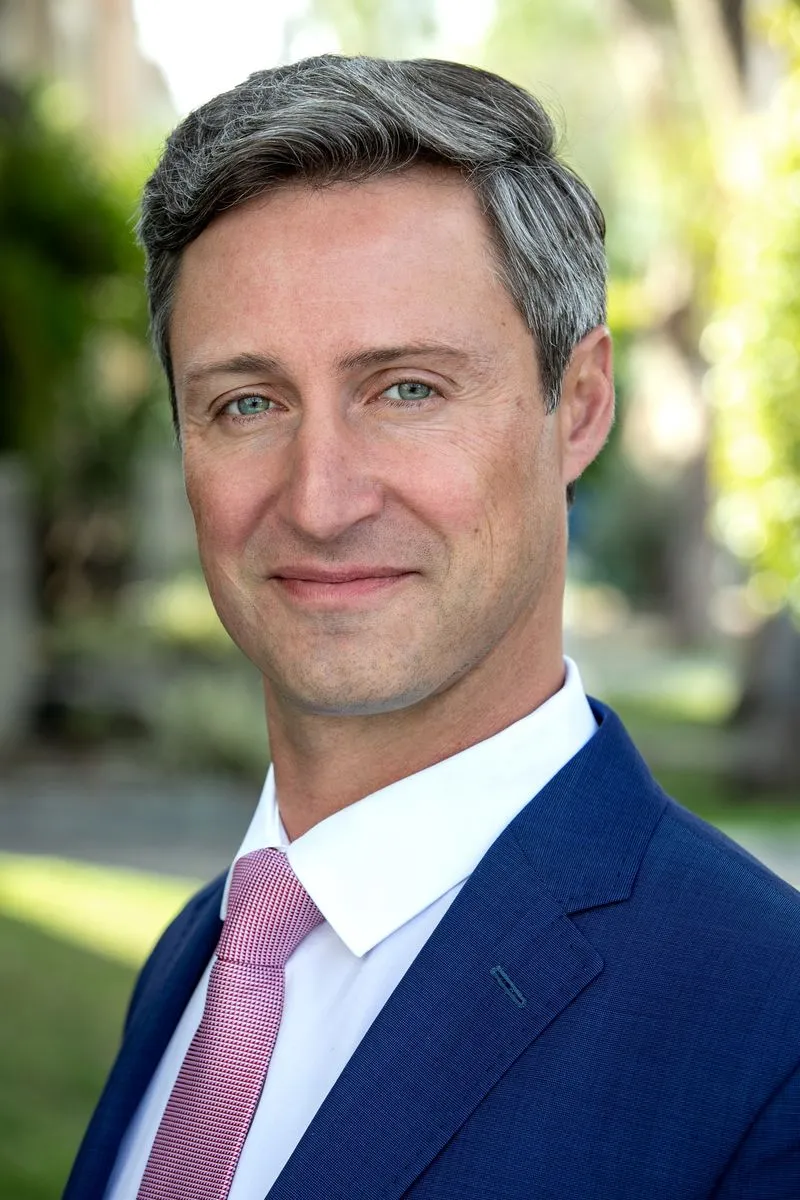
Trevor Damyan is a commercial mortgage broker at Commercial Lending Solutions with a background in structured finance at CBRE and Marcus and Millichap Capital Corporation. He specializes in bridge loans, construction financing, SBA programs, DSCR loans, and complex capital structures for investors and developers across all 50 states.
View full profile →