Sacramento's mixed-use investment activity is concentrated along transit corridors served by Sacramento Regional Transit's light rail system, with the R Street Corridor, Midtown, and the Broadway area offering the most active development and repositioning pipeline in the metro. Transit-oriented development adjacent to stations along the Blue and Gold lines is attracting both market-rate and mixed-income capital, supported by California state density bonus programs and city of Sacramento streamlined entitlement for qualifying projects. Live-work-play demand is strongest in Midtown, where ground-floor restaurant, retail, and creative office uses are supporting residential rents at premiums of 10%-15% above comparable non-mixed-use assets. Financing mixed-use projects carries additional complexity due to blended underwriting across residential and commercial income streams, but agency lenders will engage on predominantly residential assets and life companies are selectively quoting stabilized mixed-use retail with credit tenancy.
Mixed-Use Market Overview: Sacramento 2026
The Sacramento mixed-use market in 2026 reflects the metro's broader economic momentum, driven by State of California government, UC Davis Health, Sutter Health, Intel Corporation. Key metrics for mixed-use investors:
- Mixed-Use Vacancy: 6.1%
- Mixed-Use Cap Rates: 5.25%-6.50%
- Metro Rent Growth: 3.8% year-over-year
- Job Growth: 2.1%
- Population Growth: 1.6%
- Median Asking Rent: $1,840
Mixed-Use Subtypes in Sacramento
The Sacramento mixed-use market encompasses a range of property subtypes, each with distinct risk-return profiles and financing requirements:
- Retail + Residential
- Office + Residential
- Live-Work Spaces
- Transit-Oriented Development
- Land & Development Sites
- Adaptive Reuse & Conversion
- Ground-Floor Commercial + Apartments
- Mixed-Use Portfolios
Each subtype has different lender appetite, underwriting criteria, and optimal financing structures. Understanding which subtypes perform best in Sacramento's specific market conditions is critical for investment success.
Key Investment Metrics
Mixed-Use investors evaluating Sacramento should focus on these key performance indicators:
- Cap Rate Spread: Sacramento mixed-use cap rates at 5.25%-6.50% compare favorably to national averages, reflecting the market's premium fundamentals and institutional demand
- Rent Growth Trajectory: 3.8% annual rent growth supports both value-add and core investment strategies
- Supply Pipeline: New mixed-use construction activity should be evaluated relative to the market's absorption capacity
- Tenant Quality: The Sacramento metro's major employment sectors (State of California government, UC Davis Health, Sutter Health, Intel Corporation) drive mixed-use tenant demand and creditworthiness
Financing Options for Mixed-Use in Sacramento
Mixed-Use properties in Sacramento can be financed through multiple capital sources, each with distinct advantages:
- Bank Permanent Loans
- Bridge Loans
- Construction Loans
- CMBS
- Agency (If 80%+ Residential)
- Mezzanine & Preferred Equity
The optimal financing structure depends on your business plan (core hold, value-add, or development), the property's current condition and occupancy, and your desired leverage and hold period. In the Sacramento market, lenders are most competitive for well-located assets with strong fundamentals and experienced sponsors.
Financing a mixed-use deal in Sacramento? This guide covers the investment landscape. For current terms, capital sources, and a free quote, go to our Mixed-Use Financing in Sacramento, CA page or call (310) 708-0690.
Top Submarkets for Mixed-Use Investment
The Sacramento-Roseville-Folsom metro features several distinct submarkets for mixed-use investment, each with unique characteristics:
- Downtown Sacramento: offering distinct opportunities within the broader Sacramento mixed-use market
- Midtown: offering distinct opportunities within the broader Sacramento mixed-use market
- Roseville: offering distinct opportunities within the broader Sacramento mixed-use market
- Folsom: offering distinct opportunities within the broader Sacramento mixed-use market
- Elk Grove: offering distinct opportunities within the broader Sacramento mixed-use market
- Rancho Cordova: offering distinct opportunities within the broader Sacramento mixed-use market
The most active investment corridors for mixed-use in Sacramento include Midtown Sacramento, Elk Grove, Natomas, Rancho Cordova. Submarket selection significantly impacts both returns and financing terms, as lenders evaluate location-specific metrics in their underwriting.
Investment Thesis: Mixed-Use in Sacramento
The investment case for mixed-use in Sacramento rests on several structural factors:
- Economic Fundamentals: 2.1% job growth and 1.6% population growth create durable demand
- Market Pricing: Cap rates at 5.25%-6.50% offer institutional-quality assets at competitive yields
- Financing Environment: The Sacramento market's depth and lender familiarity support competitive borrowing costs
- Growth Potential: 3.8% rent growth supports improving cash flows over the hold period
Sacramento's economic foundation is the California state government, and that distinction shapes every underwriting conversation in this market. The Capitol Complex, Caltrans headquarters, the California Department of Finance, and dozens of state agencies collectively employ tens of thousands of workers concentrated in Downtown Sacramento and Midtown, creating a wage floor and occupancy base that cushions the metro from private-sector volatility in ways that most comparably sized cities cannot claim. UC Davis anchors the western edge of the metro and is one of the nation's top agricultural and veterinary research universities, spinning off agtech and life sciences activity that has seeded a growing cluster of biotech and food-technology companies along the Interstate 80 corridor between Davis and Sacramento. Sutter Health and Dignity Health operate major hospital campuses that generate sustained medical office demand, particularly in the Rancho Cordova and Roseville submarkets where suburban population density justifies both outpatient facilities and senior living development. Industrial demand has been driven by e-commerce and cold-storage logistics operators drawn to the metro's position as a distribution gateway serving the Sierra Nevada foothills and Northern California, with Elk Grove and North Sacramento seeing the most consistent absorption. Multifamily fundamentals remain tighter than vacancy figures alone suggest, because Bay Area wage earners who relocated to Sacramento have bid up rents in Midtown and Folsom while keeping household formation strong. The most significant underwriting variable unique to this market is California's rent control framework under AB 1482 combined with Sacramento's local tenant protections, which compress exit cap rate assumptions and push institutional capital toward newer vintage product built after 2005.
CLS CRE: Mixed-Use Financing in Sacramento
CLS CRE specializes in mixed-use financing throughout the Sacramento-Roseville-Folsom metropolitan area. With access to 1,000+ lenders, we match your specific mixed-use investment with the right capital source at the most competitive terms available.
Related resources:
- Mixed-Use Financing: National Overview
- Mixed-Use Financing in Sacramento: Rates & Terms
- Commercial Real Estate Loans in Sacramento
- Bridge Loans in Sacramento
- Permanent Loans in Sacramento
- Construction Loans in Sacramento
- Sacramento Commercial Real Estate Market Report 2026
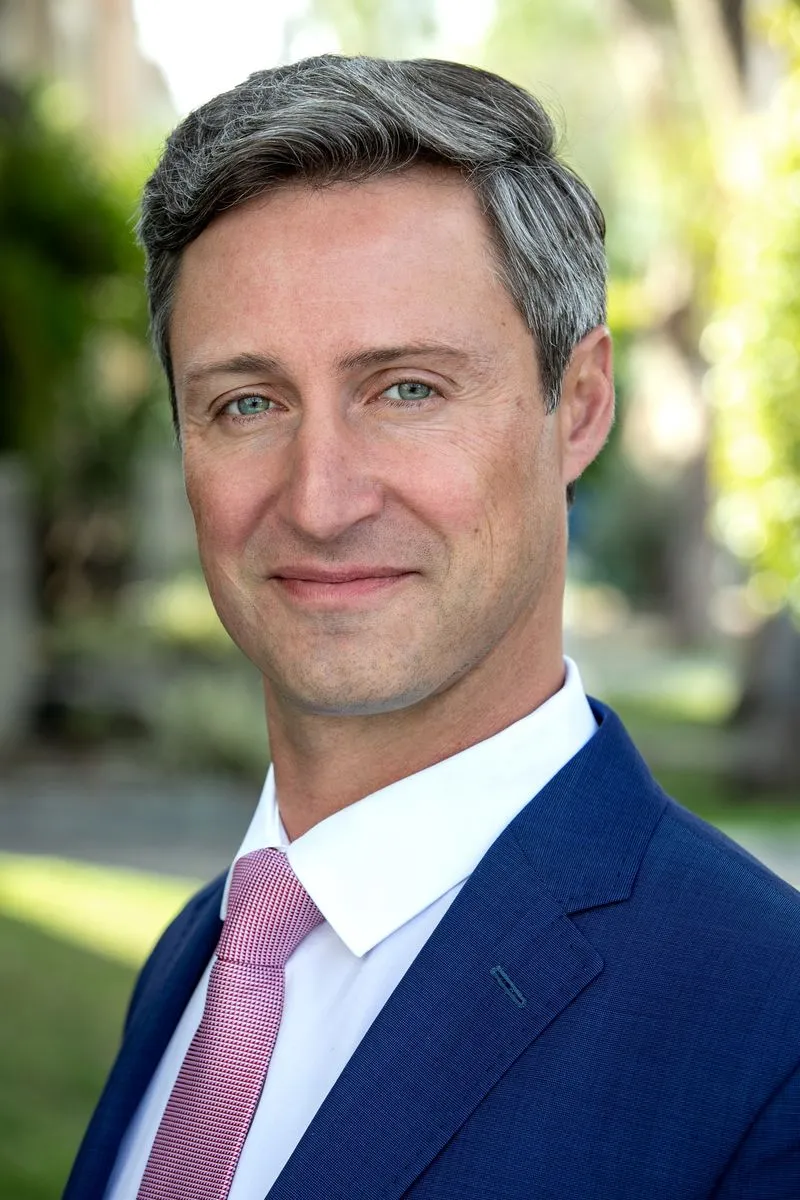
Trevor Damyan is a commercial mortgage broker at Commercial Lending Solutions with a background in structured finance at CBRE and Marcus and Millichap Capital Corporation. He specializes in bridge loans, construction financing, SBA programs, DSCR loans, and complex capital structures for investors and developers across all 50 states.
View full profile →