Mixed-use investment in Sioux Falls is concentrated in Downtown, where a deliberate public investment strategy including the reconstruction of Phillips Avenue, the Falls Park entertainment district, and the Denny Sanford PREMIER Center event complex has created a walkable urban core that supports ground-floor retail and restaurant uses below professional services office or residential above. Projects along 8th Street and in the emerging East Bank neighborhood near the Big Sioux River have demonstrated that the market can absorb boutique mixed-use at rents that pencil when land basis is reasonable and public incentive tools, including Tax Increment Financing districts, are available to bridge development gap. Financing mixed-use assets in Sioux Falls works best with lenders who understand the blended revenue model and have existing relationships with South Dakota community development finance programs, as the deal sizes in this market rarely reach the threshold that attracts national mixed-use lenders without a specific relationship reason.
Mixed-Use Market Overview: Sioux Falls 2026
The Sioux Falls mixed-use market in 2026 reflects the metro's broader economic momentum, driven by financial services and credit card processing, healthcare and medical devices, food processing and agribusiness, retail distribution, manufacturing. Key metrics for mixed-use investors:
- Mixed-Use Vacancy: 6.2%
- Mixed-Use Cap Rates: 6.25%-7.25%
- Metro Rent Growth: 3.4% year-over-year
- Job Growth: 2.3%
- Population Growth: 1.8%
- Median Asking Rent: $1,195
Mixed-Use Subtypes in Sioux Falls
The Sioux Falls mixed-use market encompasses a range of property subtypes, each with distinct risk-return profiles and financing requirements:
- Retail + Residential
- Office + Residential
- Live-Work Spaces
- Transit-Oriented Development
- Land & Development Sites
- Adaptive Reuse & Conversion
- Ground-Floor Commercial + Apartments
- Mixed-Use Portfolios
Each subtype has different lender appetite, underwriting criteria, and optimal financing structures. Understanding which subtypes perform best in Sioux Falls's specific market conditions is critical for investment success.
Key Investment Metrics
Mixed-Use investors evaluating Sioux Falls should focus on these key performance indicators:
- Cap Rate Spread: Sioux Falls mixed-use cap rates at 6.25%-7.25% compare favorably to national averages, reflecting attractive yields for investors seeking current cash flow
- Rent Growth Trajectory: 3.4% annual rent growth supports both value-add and core investment strategies
- Supply Pipeline: New mixed-use construction activity should be evaluated relative to the market's absorption capacity
- Tenant Quality: The Sioux Falls metro's major employment sectors (financial services and credit card processing, healthcare and medical devices, food processing and agribusiness, retail distribution, manufacturing) drive mixed-use tenant demand and creditworthiness
Financing Options for Mixed-Use in Sioux Falls
Mixed-Use properties in Sioux Falls can be financed through multiple capital sources, each with distinct advantages:
- Bank Permanent Loans
- Bridge Loans
- Construction Loans
- CMBS
- Agency (If 80%+ Residential)
- Mezzanine & Preferred Equity
The optimal financing structure depends on your business plan (core hold, value-add, or development), the property's current condition and occupancy, and your desired leverage and hold period. In the Sioux Falls market, lenders are most competitive for well-located assets with strong fundamentals and experienced sponsors.
Financing a mixed-use deal in Sioux Falls? This guide covers the investment landscape. For current terms, capital sources, and a free quote, go to our Mixed-Use Financing in Sioux Falls, SD page or call (310) 708-0690.
Top Submarkets for Mixed-Use Investment
The Sioux Falls metro features several distinct submarkets for mixed-use investment, each with unique characteristics:
- Downtown Sioux Falls: offering distinct opportunities within the broader Sioux Falls mixed-use market
- East Side: offering distinct opportunities within the broader Sioux Falls mixed-use market
- West Side: offering distinct opportunities within the broader Sioux Falls mixed-use market
- North Side: offering distinct opportunities within the broader Sioux Falls mixed-use market
- Brandon: offering distinct opportunities within the broader Sioux Falls mixed-use market
- Tea: offering distinct opportunities within the broader Sioux Falls mixed-use market
- Harrisburg: offering distinct opportunities within the broader Sioux Falls mixed-use market
- Renner: offering distinct opportunities within the broader Sioux Falls mixed-use market
- Crooks: offering distinct opportunities within the broader Sioux Falls mixed-use market
- Baltic: offering distinct opportunities within the broader Sioux Falls mixed-use market
- Dell Rapids: offering distinct opportunities within the broader Sioux Falls mixed-use market
- Worthington MN: offering distinct opportunities within the broader Sioux Falls mixed-use market
The most active investment corridors for mixed-use in Sioux Falls include Downtown Sioux Falls, West Side, East Side I-90 industrial corridor, Tea and Harrisburg. Submarket selection significantly impacts both returns and financing terms, as lenders evaluate location-specific metrics in their underwriting.
Investment Thesis: Mixed-Use in Sioux Falls
The investment case for mixed-use in Sioux Falls rests on several structural factors:
- Economic Fundamentals: 2.3% job growth and 1.8% population growth create durable demand
- Market Pricing: Cap rates at 6.25%-7.25% offer attractive entry points relative to coastal gateway markets
- Financing Environment: The Sioux Falls market's depth and lender familiarity support competitive borrowing costs
- Growth Potential: 3.4% rent growth supports improving cash flows over the hold period
Sioux Falls functions as the financial and distribution nerve center of the Northern Plains, a role cemented by South Dakota's unique legal environment: no state income tax, no corporate income tax, and trust laws that have drawn an outsized concentration of credit card operations, trust companies, and wealth management activity relative to the metro's population of roughly 280,000. Citibank, Capital One, and Wells Fargo each built significant back-office and card-processing operations here decades ago, and that financial services DNA has compounded into a broad professional services economy that sustains Class A office demand in Downtown Sioux Falls and the West Side corridor even as remote work has softened suburban office markets elsewhere. Sanford Health and Avera Health, the two dominant regional health systems with combined employment well above 20,000 in the metro, drive medical office demand across multiple campuses and have catalyzed senior living and skilled nursing development in Harrisburg, Tea, and Brandon as the surrounding suburban ring absorbs retirees relocating from rural South Dakota and neighboring Minnesota. Industrial fundamentals are among the tightest in the region: the I-90 and I-29 interchange positions Sioux Falls as a one-day trucking radius to Minneapolis, Omaha, and Kansas City, and speculative warehouse and cold-storage development along the northern and eastern growth corridors has been absorbed quickly enough that regional and national debt funds remain competitive on construction lending. Multifamily permitting has been elevated for several consecutive years, concentrated in Harrisburg and Tea where land costs and school district quality attract workforce renters priced out of closer-in neighborhoods, and that suburban pipeline warrants careful attention to concession trends before underwriting stabilized assumptions.
CLS CRE: Mixed-Use Financing in Sioux Falls
CLS CRE specializes in mixed-use financing throughout the Sioux Falls metropolitan area. With access to 1,000+ lenders, we match your specific mixed-use investment with the right capital source at the most competitive terms available.
Related resources:
- Mixed-Use Financing: National Overview
- Mixed-Use Financing in Sioux Falls: Rates & Terms
- Commercial Real Estate Loans in Sioux Falls
- Bridge Loans in Sioux Falls
- Permanent Loans in Sioux Falls
- Construction Loans in Sioux Falls
- Sioux Falls Commercial Real Estate Market Report 2026
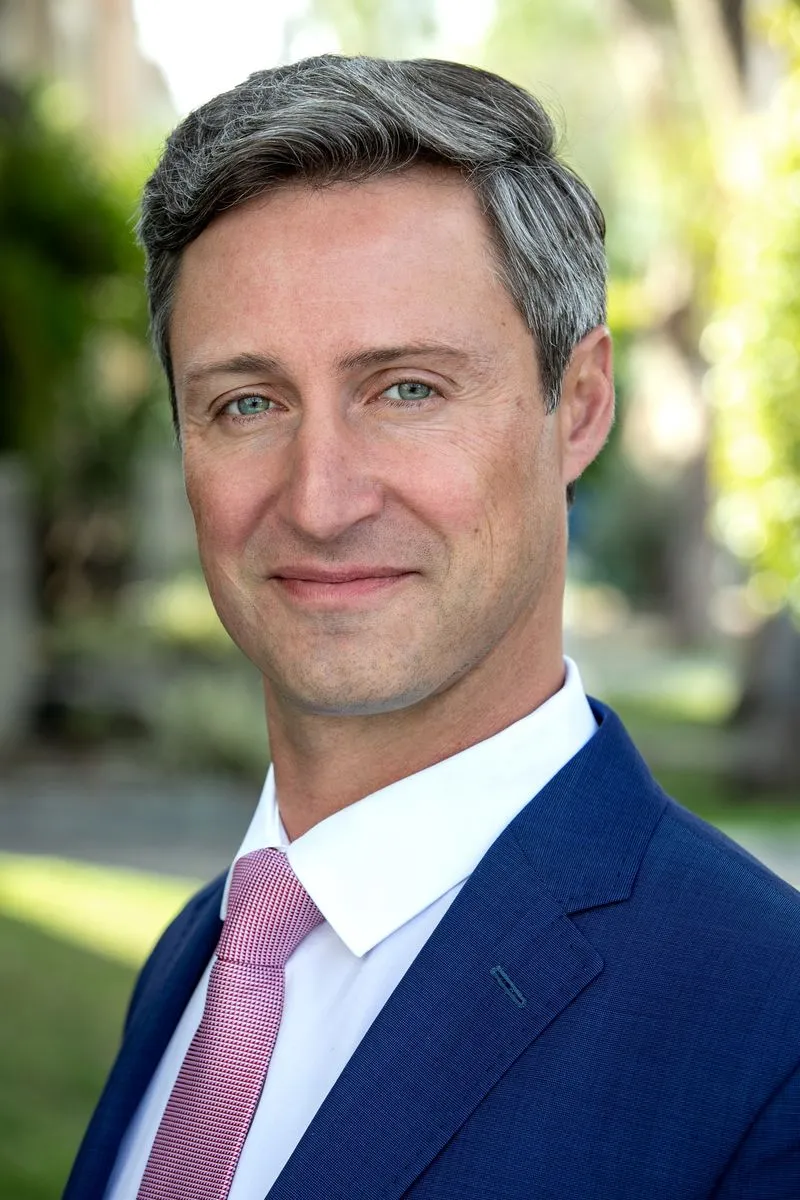
Trevor Damyan is a commercial mortgage broker at Commercial Lending Solutions with a background in structured finance at CBRE and Marcus and Millichap Capital Corporation. He specializes in bridge loans, construction financing, SBA programs, DSCR loans, and complex capital structures for investors and developers across all 50 states.
View full profile →