Palm Springs multifamily serves a mix of year-round residents, seasonal snowbirds, and healthcare workers. Properties near downtown and the Medical Mile maintain consistent occupancy. Short-term rental conversions have removed a meaningful share of inventory from the long-term rental market.
Multifamily Market Overview: Palm Springs 2026
The Palm Springs multifamily market in 2026 reflects the metro's broader economic momentum, driven by Desert Healthcare District, Palm Springs Unified, Agua Caliente Band of Cahuilla Indians, Eisenhower Health, College of the Desert. Key metrics for multifamily investors:
- Multifamily Vacancy: 4.5%
- Multifamily Cap Rates: 4.50%-5.50%
- Metro Rent Growth: 5.8% year-over-year
- Job Growth: 1.5%
- Population Growth: 0.9%
- Median Asking Rent: $1,850
Multifamily Subtypes in Palm Springs
The Palm Springs multifamily market encompasses a range of property subtypes, each with distinct risk-return profiles and financing requirements:
- Conventional Apartments
- Garden-Style Communities
- Mid-Rise & High-Rise
- Manufactured Housing / Mobile Homes
- Student Housing
- Senior Living & Assisted Living
- Affordable / Workforce Housing
- Single-Family Rental Portfolios
Each subtype has different lender appetite, underwriting criteria, and optimal financing structures. Understanding which subtypes perform best in Palm Springs's specific market conditions is critical for investment success.
Key Investment Metrics
Multifamily investors evaluating Palm Springs should focus on these key performance indicators:
- Cap Rate Spread: Palm Springs multifamily cap rates at 4.50%-5.50% compare favorably to national averages, reflecting the market's premium fundamentals and institutional demand
- Rent Growth Trajectory: 5.8% annual rent growth supports both value-add and core investment strategies
- Supply Pipeline: New multifamily construction activity should be evaluated relative to the market's absorption capacity
- Tenant Quality: The Palm Springs metro's major employment sectors (Desert Healthcare District, Palm Springs Unified, Agua Caliente Band of Cahuilla Indians, Eisenhower Health, College of the Desert) drive multifamily tenant demand and creditworthiness
Financing Options for Multifamily in Palm Springs
Multifamily properties in Palm Springs can be financed through multiple capital sources, each with distinct advantages:
- Agency (Fannie Mae / Freddie Mac)
- Bank Permanent Loans
- Life Insurance Company Loans
- CMBS
- Bridge & Value-Add
- Construction
The optimal financing structure depends on your business plan (core hold, value-add, or development), the property's current condition and occupancy, and your desired leverage and hold period. In the Palm Springs market, lenders are most competitive for well-located assets with strong fundamentals and experienced sponsors.
Financing a multifamily deal in Palm Springs? This guide covers the investment landscape. For current terms, capital sources, and a free quote, go to our Multifamily Financing in Palm Springs, CA page or call (310) 708-0690.
Top Submarkets for Multifamily Investment
The Riverside-San Bernardino metro features several distinct submarkets for multifamily investment, each with unique characteristics:
- Downtown Palm Springs: offering distinct opportunities within the broader Palm Springs multifamily market
- Palm Desert: offering distinct opportunities within the broader Palm Springs multifamily market
- Rancho Mirage: offering distinct opportunities within the broader Palm Springs multifamily market
- Indian Wells: offering distinct opportunities within the broader Palm Springs multifamily market
- La Quinta: offering distinct opportunities within the broader Palm Springs multifamily market
- Indio: offering distinct opportunities within the broader Palm Springs multifamily market
- Coachella: offering distinct opportunities within the broader Palm Springs multifamily market
- Cathedral City: offering distinct opportunities within the broader Palm Springs multifamily market
- Desert Hot Springs: offering distinct opportunities within the broader Palm Springs multifamily market
- Yucca Valley: offering distinct opportunities within the broader Palm Springs multifamily market
- Twentynine Palms: offering distinct opportunities within the broader Palm Springs multifamily market
- Banning: offering distinct opportunities within the broader Palm Springs multifamily market
The most active investment corridors for multifamily in Palm Springs include Palm Springs Downtown, Cathedral City, Rancho Mirage, Palm Desert, Indian Wells. Submarket selection significantly impacts both returns and financing terms, as lenders evaluate location-specific metrics in their underwriting.
Investment Thesis: Multifamily in Palm Springs
The investment case for multifamily in Palm Springs rests on several structural factors:
- Economic Fundamentals: 1.5% job growth and 0.9% population growth create durable demand
- Market Pricing: Cap rates at 4.50%-5.50% offer institutional-quality assets at competitive yields
- Financing Environment: The Palm Springs market's depth and lender familiarity support competitive borrowing costs
- Growth Potential: 5.8% rent growth supports improving cash flows over the hold period
Palm Springs and the broader Coachella Valley operate on an economic engine that is equal parts seasonal tourism, permanent retiree wealth, and a concentrated festival and events calendar that generates some of the highest short-term revenue spikes of any market in Southern California. The Coachella and Stagecoach festivals alone push Indio and the surrounding corridor to near-zero hospitality vacancy for multiple weeks annually, and that demand pattern has hardened underwriter interest in both branded select-service hotels and boutique properties throughout Cathedral City, Palm Desert, and Rancho Mirage. Eisenhower Health, headquartered in Rancho Mirage and the valley's dominant acute-care provider, anchors a medical office corridor that has attracted specialty physician groups and outpatient surgery tenants priced out of coastal Orange County and Los Angeles submarkets. The valley's second-home and retiree demographic, concentrated in Indian Wells and La Quinta, sustains luxury retail occupancy along El Paseo in Palm Desert at rents that would surprise inland Empire comparables. Multifamily fundamentals are tighter than they appear on paper: Desert Hot Springs and Coachella carry workforce housing shortfalls that drive strong lease-up velocity for attainable product, while midcentury-modern preservation ordinances in downtown Palm Springs meaningfully constrain adaptive reuse and new ground-up supply, keeping older boutique hospitality assets relevant and limiting competition for repositioning plays. Debt pricing here reflects the seasonality risk, with most lenders stress-testing winter occupancy peaks against shoulder-month cash flows before reaching full proceeds.
CLS CRE: Multifamily Financing in Palm Springs
CLS CRE specializes in multifamily financing throughout the Riverside-San Bernardino metropolitan area. With access to 1,000+ lenders, we match your specific multifamily investment with the right capital source at the most competitive terms available.
Related resources:
- Multifamily Financing: National Overview
- Multifamily Financing in Palm Springs: Rates & Terms
- Commercial Real Estate Loans in Palm Springs
- Bridge Loans in Palm Springs
- Permanent Loans in Palm Springs
- Construction Loans in Palm Springs
- Palm Springs Commercial Real Estate Market Report 2026
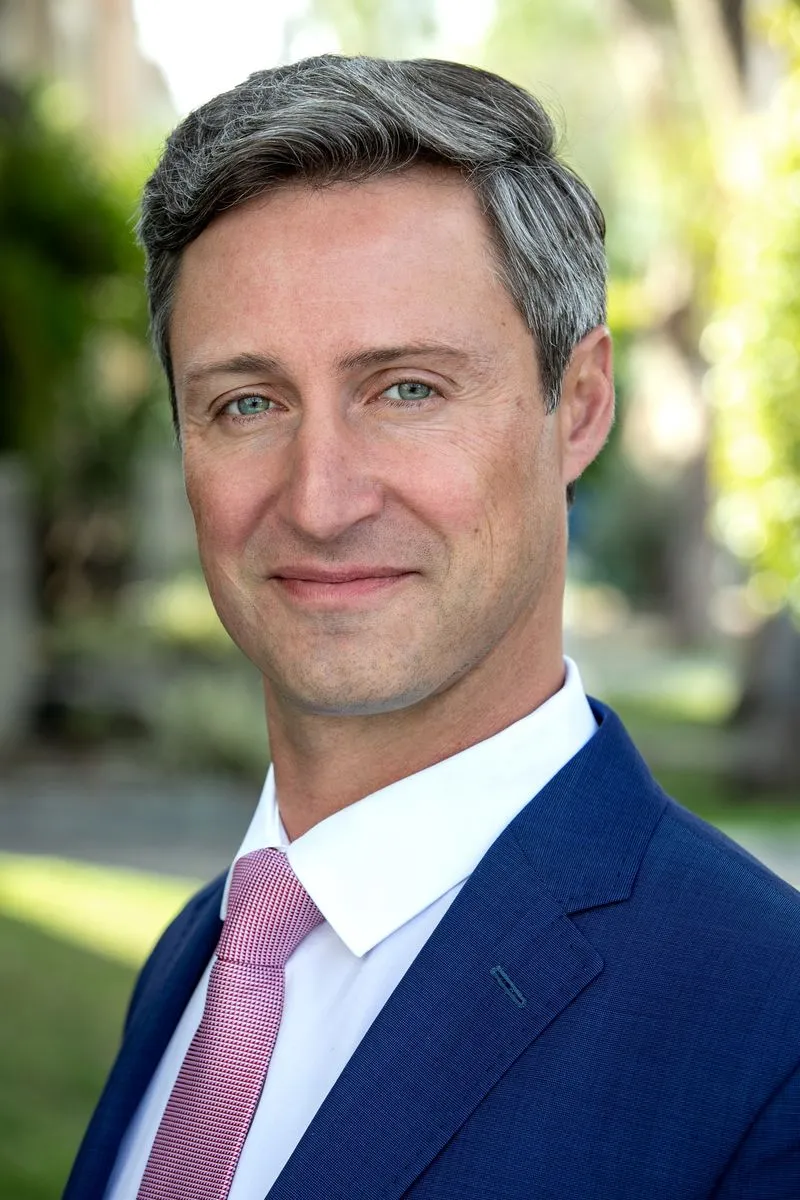
Trevor Damyan is a commercial mortgage broker at Commercial Lending Solutions with a background in structured finance at CBRE and Marcus and Millichap Capital Corporation. He specializes in bridge loans, construction financing, SBA programs, DSCR loans, and complex capital structures for investors and developers across all 50 states.
View full profile →