Multifamily investment in Syracuse offers upstate New York yields with Syracuse University providing built-in student demand and SUNY Upstate anchoring healthcare worker housing. Armory Square and downtown loft conversions serve young professional demand. DeWitt and Manlius suburban assets serve corporate and professional households. The affordability versus Albany and Buffalo creates a structural value proposition.
Multifamily Market Overview: Syracuse 2026
The Syracuse multifamily market in 2026 reflects the metro's broader economic momentum, driven by Onondaga County, Crouse Health, St. Joseph's Health, SUNY Upstate Medical University, Carrier Global, National Grid, Syracuse University, Lockheed Martin. Key metrics for multifamily investors:
- Multifamily Vacancy: 4.8%
- Multifamily Cap Rates: 5.75%-6.50%
- Metro Rent Growth: 5.0% year-over-year
- Job Growth: 1.2%
- Population Growth: 0.4%
- Median Asking Rent: $1,480
Multifamily Subtypes in Syracuse
The Syracuse multifamily market encompasses a range of property subtypes, each with distinct risk-return profiles and financing requirements:
- Conventional Apartments
- Garden-Style Communities
- Mid-Rise & High-Rise
- Manufactured Housing / Mobile Homes
- Student Housing
- Senior Living & Assisted Living
- Affordable / Workforce Housing
- Single-Family Rental Portfolios
Each subtype has different lender appetite, underwriting criteria, and optimal financing structures. Understanding which subtypes perform best in Syracuse's specific market conditions is critical for investment success.
Key Investment Metrics
Multifamily investors evaluating Syracuse should focus on these key performance indicators:
- Cap Rate Spread: Syracuse multifamily cap rates at 5.75%-6.50% compare favorably to national averages, reflecting attractive yields for investors seeking current cash flow
- Rent Growth Trajectory: 5.0% annual rent growth supports both value-add and core investment strategies
- Supply Pipeline: New multifamily construction activity should be evaluated relative to the market's absorption capacity
- Tenant Quality: The Syracuse metro's major employment sectors (Onondaga County, Crouse Health, St. Joseph's Health, SUNY Upstate Medical University, Carrier Global, National Grid, Syracuse University, Lockheed Martin) drive multifamily tenant demand and creditworthiness
Financing Options for Multifamily in Syracuse
Multifamily properties in Syracuse can be financed through multiple capital sources, each with distinct advantages:
- Agency (Fannie Mae / Freddie Mac)
- Bank Permanent Loans
- Life Insurance Company Loans
- CMBS
- Bridge & Value-Add
- Construction
The optimal financing structure depends on your business plan (core hold, value-add, or development), the property's current condition and occupancy, and your desired leverage and hold period. In the Syracuse market, lenders are most competitive for well-located assets with strong fundamentals and experienced sponsors.
Financing a multifamily deal in Syracuse? This guide covers the investment landscape. For current terms, capital sources, and a free quote, go to our Multifamily Financing in Syracuse, NY page or call (310) 708-0690.
Top Submarkets for Multifamily Investment
The Syracuse metro features several distinct submarkets for multifamily investment, each with unique characteristics:
- Downtown Syracuse: offering distinct opportunities within the broader Syracuse multifamily market
- Armory Square: offering distinct opportunities within the broader Syracuse multifamily market
- Eastwood: offering distinct opportunities within the broader Syracuse multifamily market
- University Hill: offering distinct opportunities within the broader Syracuse multifamily market
- Westcott: offering distinct opportunities within the broader Syracuse multifamily market
- North Syracuse: offering distinct opportunities within the broader Syracuse multifamily market
- Liverpool: offering distinct opportunities within the broader Syracuse multifamily market
- Clay: offering distinct opportunities within the broader Syracuse multifamily market
- Cicero: offering distinct opportunities within the broader Syracuse multifamily market
- Camillus: offering distinct opportunities within the broader Syracuse multifamily market
- DeWitt: offering distinct opportunities within the broader Syracuse multifamily market
- East Syracuse: offering distinct opportunities within the broader Syracuse multifamily market
- Manlius: offering distinct opportunities within the broader Syracuse multifamily market
- Fayetteville: offering distinct opportunities within the broader Syracuse multifamily market
- Baldwinsville: offering distinct opportunities within the broader Syracuse multifamily market
The most active investment corridors for multifamily in Syracuse include Downtown Syracuse, Armory Square, DeWitt, Manlius, Liverpool, Camillus, Cicero, East Syracuse. Submarket selection significantly impacts both returns and financing terms, as lenders evaluate location-specific metrics in their underwriting.
Investment Thesis: Multifamily in Syracuse
The investment case for multifamily in Syracuse rests on several structural factors:
- Economic Fundamentals: 1.2% job growth and 0.4% population growth create durable demand
- Market Pricing: Cap rates at 5.75%-6.50% offer attractive entry points relative to coastal gateway markets
- Financing Environment: The Syracuse market's depth and lender familiarity support competitive borrowing costs
- Growth Potential: 5.0% rent growth supports improving cash flows over the hold period
Syracuse is being reshaped by a semiconductor investment of a scale that has no precedent in Upstate New York's modern economic history. Micron Technology's commitment of up to $100 billion to build a memory chip megafab in the Clay submarket north of the city represents the largest announced private investment in New York State history, and the supply-chain and workforce ripple effects are already reordering how lenders and developers underwrite every major property type in the metro. Industrial demand along the I-81 and I-90 corridors, already the strongest in Upstate New York, is being further accelerated by suppliers, logistics operators, and construction-support users positioning ahead of Micron's phased buildout, and shallow Class A industrial inventory has debt funds and regional banks competing aggressively on construction financing in Liverpool, North Syracuse, and East Syracuse. On the multifamily side, the projected influx of several thousand highly compensated semiconductor engineers and construction workers is driving speculative apartment development at a pace the market has not seen in decades, with DeWitt and Cicero capturing suburban product while Downtown Syracuse and Armory Square are attracting urban mixed-use proposals. The institutional anchors that have long stabilized the metro, including Syracuse University, SUNY Upstate Medical University, University Hospital, Crouse Health, and St. Joseph's Health on University Hill, continue to generate steady medical office and student-housing demand independent of the Micron cycle. New York State's substantial incentive apparatus through Empire State Development, combined with the sheer capital concentration around the fab site, has compressed yield expectations across most product types, meaning underwriters need to separate genuine demand-driven rent growth from incentive-inflated pro formas before committing to longer hold periods.
CLS CRE: Multifamily Financing in Syracuse
CLS CRE specializes in multifamily financing throughout the Syracuse metropolitan area. With access to 1,000+ lenders, we match your specific multifamily investment with the right capital source at the most competitive terms available.
Related resources:
- Multifamily Financing: National Overview
- Multifamily Financing in Syracuse: Rates & Terms
- Commercial Real Estate Loans in Syracuse
- Bridge Loans in Syracuse
- Permanent Loans in Syracuse
- Construction Loans in Syracuse
- Syracuse Commercial Real Estate Market Report 2026
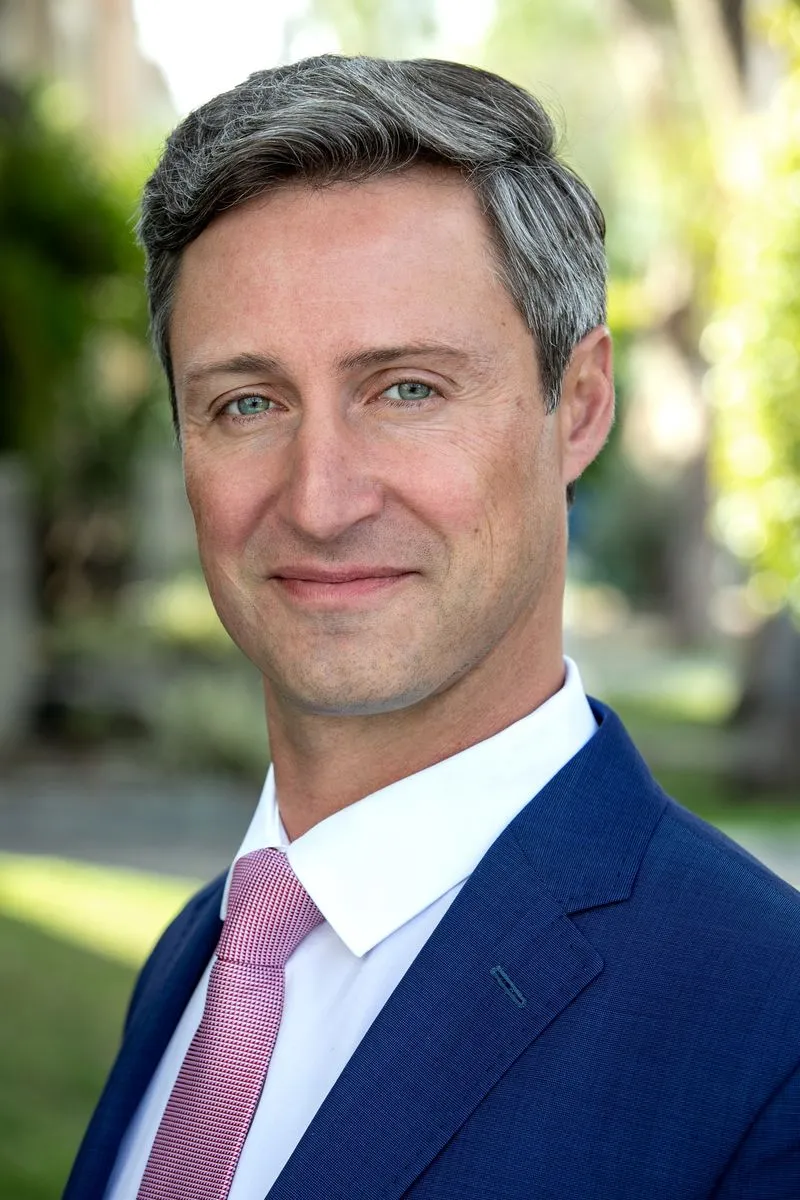
Trevor Damyan is a commercial mortgage broker at Commercial Lending Solutions with a background in structured finance at CBRE and Marcus and Millichap Capital Corporation. He specializes in bridge loans, construction financing, SBA programs, DSCR loans, and complex capital structures for investors and developers across all 50 states.
View full profile →