Tacoma multifamily splits into distinct investment profiles: the North End around the Stadium and Proctor Districts commands premium rents on historic walkable product, the Hilltop corridor offers new construction and value-add plays along the T Line light rail, and Lakewood, Parkland, and Puyallup supply garden-style value-add stock with a stable tenant base from Joint Base Lewis-McChord and Pacific Lutheran University. Buyers include Seattle investors trading south for yield and California 1031 exchangers, with bridge-to-agency the standard financing path on renovation deals.
Multifamily Market Overview: Tacoma 2026
The Tacoma multifamily market in 2026 reflects the metro's broader economic momentum, driven by Joint Base Lewis-McChord, MultiCare Health System, Virginia Mason Franciscan Health, Port of Tacoma, Boeing (Frederickson), Amazon fulfillment operations, University of Washington Tacoma, TrueBlue, Columbia Banking System, Tacoma Public Schools. Key metrics for multifamily investors:
- Multifamily Vacancy: 5.4%
- Multifamily Cap Rates: 5.00%-6.00%
- Metro Rent Growth: 3.2% year-over-year
- Job Growth: 1.8%
- Population Growth: 1.6%
- Median Asking Rent: $1,655
Multifamily Subtypes in Tacoma
The Tacoma multifamily market encompasses a range of property subtypes, each with distinct risk-return profiles and financing requirements:
- Conventional Apartments
- Garden-Style Communities
- Mid-Rise & High-Rise
- Manufactured Housing / Mobile Homes
- Student Housing
- Senior Living & Assisted Living
- Affordable / Workforce Housing
- Single-Family Rental Portfolios
Each subtype has different lender appetite, underwriting criteria, and optimal financing structures. Understanding which subtypes perform best in Tacoma's specific market conditions is critical for investment success.
Key Investment Metrics
Multifamily investors evaluating Tacoma should focus on these key performance indicators:
- Cap Rate Spread: Tacoma multifamily cap rates at 5.00%-6.00% compare favorably to national averages, reflecting the market's premium fundamentals and institutional demand
- Rent Growth Trajectory: 3.2% annual rent growth supports both value-add and core investment strategies
- Supply Pipeline: New multifamily construction activity should be evaluated relative to the market's absorption capacity
- Tenant Quality: The Tacoma metro's major employment sectors (Joint Base Lewis-McChord, MultiCare Health System, Virginia Mason Franciscan Health, Port of Tacoma, Boeing (Frederickson), Amazon fulfillment operations, University of Washington Tacoma, TrueBlue, Columbia Banking System, Tacoma Public Schools) drive multifamily tenant demand and creditworthiness
Financing Options for Multifamily in Tacoma
Multifamily properties in Tacoma can be financed through multiple capital sources, each with distinct advantages:
- Agency (Fannie Mae / Freddie Mac)
- Bank Permanent Loans
- Life Insurance Company Loans
- CMBS
- Bridge & Value-Add
- Construction
The optimal financing structure depends on your business plan (core hold, value-add, or development), the property's current condition and occupancy, and your desired leverage and hold period. In the Tacoma market, lenders are most competitive for well-located assets with strong fundamentals and experienced sponsors.
Financing a multifamily deal in Tacoma? This guide covers the investment landscape. For current terms, capital sources, and a free quote, go to our Multifamily Financing in Tacoma, WA page or call (310) 708-0690.
Top Submarkets for Multifamily Investment
The Seattle-Tacoma-Bellevue metro features several distinct submarkets for multifamily investment, each with unique characteristics:
- Downtown Tacoma: offering distinct opportunities within the broader Tacoma multifamily market
- North End: offering distinct opportunities within the broader Tacoma multifamily market
- South Tacoma: offering distinct opportunities within the broader Tacoma multifamily market
- Hilltop: offering distinct opportunities within the broader Tacoma multifamily market
- University Place: offering distinct opportunities within the broader Tacoma multifamily market
- Lakewood WA: offering distinct opportunities within the broader Tacoma multifamily market
- Puyallup: offering distinct opportunities within the broader Tacoma multifamily market
- Federal Way: offering distinct opportunities within the broader Tacoma multifamily market
- Auburn WA: offering distinct opportunities within the broader Tacoma multifamily market
- Kent: offering distinct opportunities within the broader Tacoma multifamily market
- Fife: offering distinct opportunities within the broader Tacoma multifamily market
- Sumner: offering distinct opportunities within the broader Tacoma multifamily market
The most active investment corridors for multifamily in Tacoma include Downtown Tacoma, Tacoma Tideflats, Fife, Sumner Valley, Frederickson, Lakewood. Submarket selection significantly impacts both returns and financing terms, as lenders evaluate location-specific metrics in their underwriting.
Investment Thesis: Multifamily in Tacoma
The investment case for multifamily in Tacoma rests on several structural factors:
- Economic Fundamentals: 1.8% job growth and 1.6% population growth create durable demand
- Market Pricing: Cap rates at 5.00%-6.00% offer institutional-quality assets at competitive yields
- Financing Environment: The Tacoma market's depth and lender familiarity support competitive borrowing costs
- Growth Potential: 3.2% rent growth supports improving cash flows over the hold period
Tacoma's economic identity is split between the Port of Tacoma, one of the ten largest container ports in North America and a primary gateway for trans-Pacific cargo moving to inland distribution networks, and a substantial military and government employment base anchored by Joint Base Lewis-McChord, which supports more than 40,000 active-duty personnel and generates sustained demand across multifamily, retail, and hospitality sub-markets in Lakewood and University Place. The industrial corridor stretching through Fife, Sumner, Auburn, and Kent functions as the physical backbone of Pacific Northwest logistics, with bulk distribution, cold-storage, and last-mile facilities all competing for a land-constrained shelf that has pushed industrial vacancy to single digits and cap rates to levels that increasingly pencil only for well-capitalized operators with long-term hold strategies. Multifamily fundamentals are shaped less by organic Tacoma job growth and more by the roughly 35-mile price differential versus Seattle proper, where a working household priced out of King County finds Pierce County rents meaningfully more accessible, supporting absorption in Downtown Tacoma, Hilltop, and North End even as Seattle-side construction deliveries moderate. The University of Washington Tacoma campus has accelerated mixed-use investment around the Theater District, with life science-adjacent medical office demand growing alongside MultiCare Health System and CHI Franciscan's expanding Tacoma footprints. Underwriting here requires close attention to Pierce County's growth management constraints under Washington State's Growth Management Act, which limits greenfield industrial and residential supply more tightly than many capital sources initially assume, making infill redevelopment and adaptive reuse the dominant value-creation thesis across most property types.
CLS CRE: Multifamily Financing in Tacoma
CLS CRE specializes in multifamily financing throughout the Seattle-Tacoma-Bellevue metropolitan area. With access to 1,000+ lenders, we match your specific multifamily investment with the right capital source at the most competitive terms available.
Related resources:
- Multifamily Financing: National Overview
- Multifamily Financing in Tacoma: Rates & Terms
- Commercial Real Estate Loans in Tacoma
- Bridge Loans in Tacoma
- Permanent Loans in Tacoma
- Construction Loans in Tacoma
- Tacoma Commercial Real Estate Market Report 2026
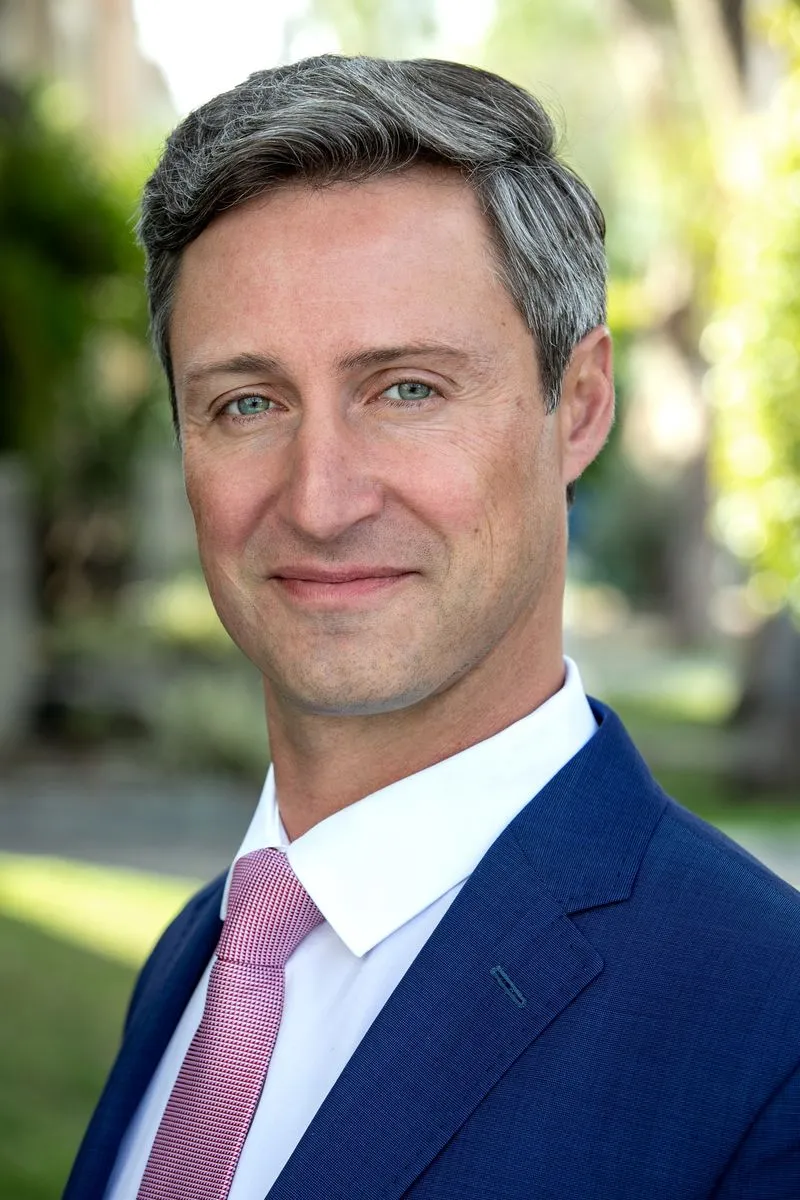
Trevor Damyan is a commercial mortgage broker at Commercial Lending Solutions with a background in structured finance at CBRE and Marcus and Millichap Capital Corporation. He specializes in bridge loans, construction financing, SBA programs, DSCR loans, and complex capital structures for investors and developers across all 50 states.
View full profile →