Rate Environment: Week of July 13, 2026
The 10-year Treasury is holding in the 4.15% to 4.35% range as of mid-July, a zone that has become something of a resting state after the volatility that defined much of the first half of 2026. For Sacramento borrowers, the practical implication is that all-in coupons on stabilized, institutional-quality assets are generally printing in the 6.25% to 6.75% range depending on leverage, property type, and lender appetite. That spread over the risk-free rate is tighter than where it sat six months ago, which is a meaningful shift, but it is not arriving uniformly. Life companies and debt funds are not quoting the same Sacramento deals the same way, and the divergence is worth understanding before you send out an offering memorandum.
Life companies continue to favor lower leverage and longer hold, and Sacramento's state-government employment base is genuinely useful in those conversations. Underwriters at institutional lenders have grown comfortable with the argument that Downtown and Midtown Sacramento do not behave like secondary markets with fully private-sector tenant rosters. That context gets deals priced. On the agency side, Fannie Mae and Freddie Mac execution on multifamily remains competitive for assets built after 2005, which aligns neatly with where most of the marketable Sacramento apartment inventory sits given the rent-control carve-out under AB 1482. Floating-rate debt fund capital is available but pricing has not improved enough to make it the obvious call for a stabilized acquisition. It still makes sense for value-add or lease-up plays where the execution horizon is 24 to 36 months.
Submarket Watch: Rancho Cordova Medical Office and the Elk Grove Industrial Corridor
Two submarkets are generating the most active lender dialogue in Sacramento right now, and they are worth flagging independently because the capital stacks look quite different.
In Rancho Cordova, medical office continues to absorb at a pace that is outrunning supply. The Sutter and Dignity Health footprints have created a referral and outpatient services ecosystem that smaller specialty groups and ancillary providers are actively trying to locate into. Net operating income in well-leased medical office product here has held, and in some cases grown, even as general office has softened. A life company that might pass on a suburban Sacramento office deal without a second look is willing to engage seriously on a Rancho Cordova medical building with a weighted average lease term above seven years. Borrowers with that product type are in an enviable position right now. Senior construction financing for new medical outpatient development is tighter, but stabilized acquisitions and refinances are finding real execution.
In the Elk Grove industrial corridor, the story is more nuanced than it was 18 months ago. Cold-storage and last-mile distribution facilities with creditworthy tenants on leases of five years or longer are still well-received by lenders. However, spec industrial product without signed leases is meeting more resistance than developers became accustomed to during the 2021 to 2023 cycle. A regional bank that was putting construction money on speculative industrial projects in this corridor two years ago is now asking for meaningful pre-leasing commitments before it will engage seriously. That is not a Sacramento-specific story, but the correction is visible here. Borrowers coming to market with stabilized Elk Grove industrial should find competitive execution. Those with lease-up risk need to size the capital stack accordingly and should not assume that 2022 underwriting norms still apply.
What This Means for Borrowers Financing Sacramento Deals Right Now
The most actionable takeaway this week is that lender selection is doing more work than it has in a while. The gap between the best and worst terms available on a given Sacramento deal is wider than it was when capital was abundant and every lender wanted volume. Choosing the wrong lender channel for a particular asset type is costing borrowers 25 to 50 basis points and sometimes worse structure. Medical office and industrial refinances should be running a broader process than sponsors might assume is necessary. Multifamily with post-2005 vintage is seeing consistent agency execution and that pipeline should be moving.
On the construction and bridge side, borrowers need to arrive at conversations with realistic exit assumptions. Cap rate expansion has not been dramatic in Sacramento, but it has happened, and a refi or sale underwritten to 2023 exit values is going to draw scrutiny. Lenders who know this market are asking harder questions about absorption timelines in Elk Grove and lease-up assumptions in Midtown. Sponsorship quality and track record in Northern California specifically are getting more weight in credit decisions than they did during the liquidity cycle.
Contact CLS CRE at 310.708.0690 or loans@clscre.com to discuss financing for a Sacramento-area deal.
For the full Sacramento commercial real estate financing overview, see our Sacramento market report.
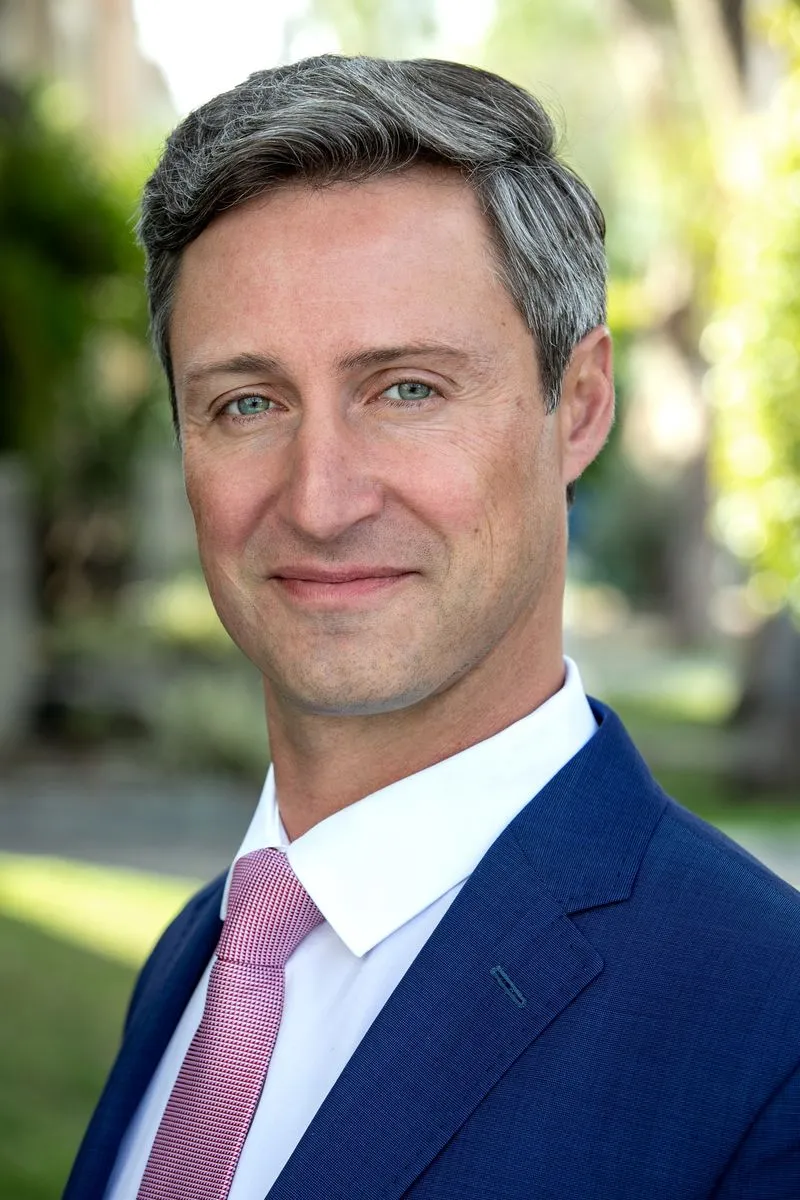
Trevor Damyan is a commercial mortgage broker at Commercial Lending Solutions with a background in structured finance at CBRE and Marcus and Millichap Capital Corporation. He specializes in bridge loans, construction financing, SBA programs, DSCR loans, and complex capital structures for investors and developers across all 50 states.
View full profile →