Rate Environment: Mid-July 2026 Read
The 10-year Treasury has settled into a range that, on paper, looks constructive, but the spread behavior layered on top of it is telling a more complicated story for San Diego borrowers this week. Life company allocations are running ahead of mid-year pace nationally, and that competition is compressing spreads on stabilized, well-leased product in primary coastal markets. San Diego is benefiting from that dynamic selectively, particularly on assets with long-term, creditworthy tenancy in proven submarkets. The problem is that "stabilized" is doing a lot of heavy lifting right now. Lenders applying stress tests at today's rates are underwriting to exit caps that are still 25 to 50 basis points wider than going-in caps on many deals, and that gap is compressing proceeds in ways that catch some sponsors off guard when the term sheet arrives.
SOFR-based bridge pricing has held relatively steady over the past two weeks, but regional and community banks active in this market are showing genuine discipline on construction and transitional deals. Debt service coverage minimums are being enforced with less flexibility than borrowers saw 18 months ago, and lenders with California concentration concerns are applying geography-specific haircuts that have nothing to do with the underlying asset quality. That is the rate environment in practical terms for San Diego right now: headline numbers look reasonable, execution reality requires more lead time and more lender conversations than the numbers alone suggest.
Submarket Watch: Torrey Pines Corridor and Carlsbad Shallow-Bay
Two dynamics are worth flagging specifically this week. In the Torrey Pines corridor, wet-lab and life sciences space continues to generate lender interest that outpaces most other product types in the metro, but the financing calculus has shifted. A handful of speculative lab conversions that were penciled at peak rents in 2024 and 2025 are now coming to market for permanent or recapitalization financing at a moment when life sciences leasing velocity has moderated from its post-pandemic peak. Lenders underwriting these assets are scrutinizing tenant credit depth, remaining lease term, and whether rents are at, above, or below current market with unusual precision. Deals with strong institutional or publicly traded biotech tenancy are clearing at tight spreads. Deals without that anchor are meeting meaningful structure requirements, whether that means recourse carve-outs, interest reserves, or reduced leverage.
In Carlsbad, shallow-bay industrial demand from medical device manufacturers and defense-adjacent suppliers has kept vacancy low relative to broader Inland Empire benchmarks, and that supply-demand picture is still attracting lender interest. What has changed is that several regional banks active in North County industrial have tightened maximum loan-to-value on multi-tenant product without long-term leases in place. The logic is straightforward: replacement cost support is real, but rolling lease exposure in a higher-for-longer rate environment introduces refinance risk at maturity that lenders are now pricing explicitly. Sponsors with near-term lease expirations on Carlsbad industrial assets should expect lenders to model worst-case rollover scenarios and size proceeds accordingly, even on properties that have operated at full occupancy for years.
What It Means for Borrowers Financing San Diego Deals Right Now
The practical implication of this week's capital markets read is that execution speed and lender relationships are differentiating factors in a way that raw rate quotes cannot capture. A borrower who shops purely on spread and ignores credit appetite, geographic concentration limits, and individual lender underwriting assumptions is likely to experience retrade risk or delayed closing at a moment when sellers are not extending timelines without price concessions. The San Diego market's structural strengths, the defense ecosystem, the life sciences density, the constrained supply, continue to make it one of the more defensible underwriting stories on the West Coast. Lenders know this. But knowing it does not mean they will waive structure requirements on assets that carry transitional risk or near-term rollover exposure.
For acquisitions, understanding which lender type, life company, debt fund, CMBS conduit, or regional bank, matches a given asset's profile this week is more valuable than a generic rate search. For refinancing borrowers facing maturity pressure, engaging lenders 90 to 120 days ahead of deadline and arriving with current rent rolls, updated financials, and a clear story on lease trajectory will determine whether that conversation produces options or ultimatums. San Diego deals are financeable right now across most asset classes. The borrowers who close efficiently are the ones who arrive prepared and work with advisors who know where the capital is actually sitting.
Contact CLS CRE at 310.708.0690 or loans@clscre.com to discuss financing for a San Diego-area deal.
For the full San Diego commercial real estate financing overview, see our San Diego market report.
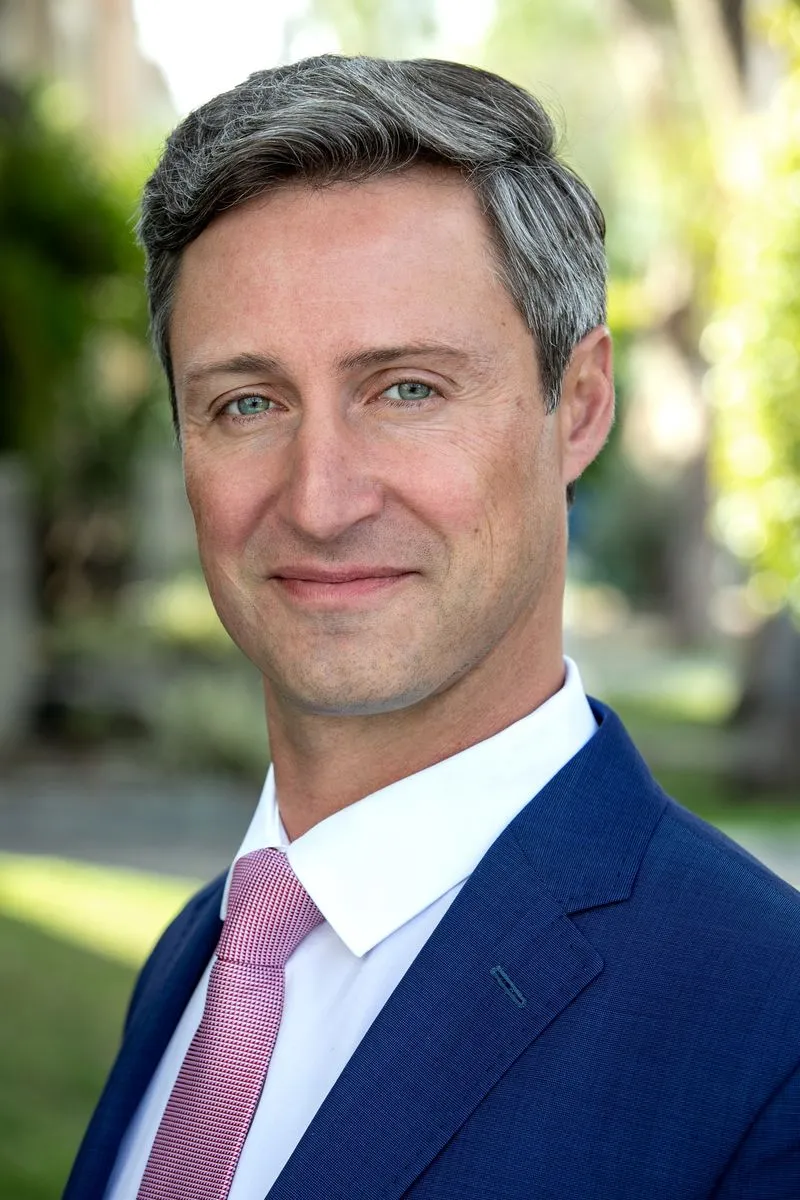
Trevor Damyan is a commercial mortgage broker at Commercial Lending Solutions with a background in structured finance at CBRE and Marcus and Millichap Capital Corporation. He specializes in bridge loans, construction financing, SBA programs, DSCR loans, and complex capital structures for investors and developers across all 50 states.
View full profile →