Rate Environment: Week of July 13, 2026
The 10-year Treasury is holding in the mid-4s this week, having shed roughly 20 basis points over the past six weeks as softer-than-expected jobs data and a modestly dovish Fed posture have pulled duration yields off their late-spring peaks. For San Francisco borrowers, that move is meaningful but incomplete. Spreads on stabilized office product in this market remain historically wide, with life companies and CMBS conduits still applying 30 to 50 basis point penalties relative to comparable Sun Belt office collateral, reflecting unresolved uncertainty around long-term downtown occupancy. Debt funds, which have been the most active non-agency lenders in this metro for the past 18 months, are quoting floating-rate bridge in the SOFR plus 300 to 375 range depending on business plan clarity and sponsor track record. All-in coupons on transitional deals are consequently still clearing in the high 7s to low 8s percent range for most property types outside of multifamily agency execution and stabilized industrial.
The practical implication is that San Francisco is not yet a market where rate relief alone unlocks stalled deals. Basis, sponsorship, and submarket selection are doing more underwriting work right now than the rate index itself. Lenders are scrutinizing rent roll durability with an intensity that has not eased materially despite the Treasury rally, and that scrutiny is applied unevenly across property types in ways that create both friction and opportunity depending on where a deal sits.
Submarket Watch: Mission Bay Life Sciences and SoMa Office Divergence
The widest underwriting gap in this metro right now sits between Mission Bay lab and medical office product versus conventional SoMa Class A office, and that gap is widening rather than narrowing heading into the back half of 2026. Mission Bay continues to attract institutional capital with an appetite that is largely disconnected from the broader San Francisco office narrative. Life company allocations toward stabilized lab buildings anchored by UCSF-affiliated tenants have remained consistent, with LTVs in the 55 to 60 percent range and IO periods of two to three years available for the right sponsorship. Lease structures in that submarket, typically triple-net with credit tenancy and meaningful remaining term, are producing the kind of cash flow visibility that allows lenders to underwrite with conviction even in a volatile rate environment.
SoMa tells a different story this week. Sublease overhang from technology occupiers has not cleared at the pace optimists projected at the start of the year. Direct vacancy and shadow space combined are keeping effective rents under sustained pressure, and lenders that were beginning to re-engage with downtown office collateral in the first quarter have pulled back again after a handful of lease renewals came in below underwritten assumptions in May and June. Debt fund interest in SoMa office recapitalizations has not disappeared, but required equity cushions have increased and lender exit assumptions have shifted to longer hold periods at lower exit cap rates than sponsors would prefer. A regional bank active in this market noted internally that new office commitments in the downtown core remain subject to credit committee escalation regardless of loan size, a posture that has not changed since mid-2025.
What It Means for Borrowers Financing San Francisco Deals Right Now
Borrowers approaching the capital markets with San Francisco collateral this week are operating in a bifurcated execution environment where asset type and submarket specificity matter enormously at first contact with lenders. Deals that can be clearly positioned as life sciences, medical office, or industrial will find a deeper and more competitive lender universe than was available six months ago. Multifamily borrowers with newer product outside rent control, particularly in Mission Bay or South of Market residential, have agency and life company options that are pricing tightly relative to the broader market. Deals that require a lender to underwrite through downtown office vacancy or assume meaningful near-term lease-up in the Financial District corridor are a different conversation entirely.
For bridge borrowers, the actionable advice this week is to arrive at lender conversations with conservative stabilized occupancy assumptions already built into the sponsor model. Lenders are discounting optimistic rent and absorption schedules aggressively, and deals that pre-empt that skepticism with credible downside cases are closing faster and with fewer re-trades than deals that require negotiation over base case assumptions. Extension options, step-down prepayment structures, and interest reserves sized for longer timelines than sponsors expect are all features that are expediting credit approval on transitional San Francisco deals in the current environment.
Contact CLS CRE at 310.708.0690 or loans@clscre.com to discuss financing for a San Francisco-area deal.
For the full San Francisco commercial real estate financing overview, see our San Francisco market report.
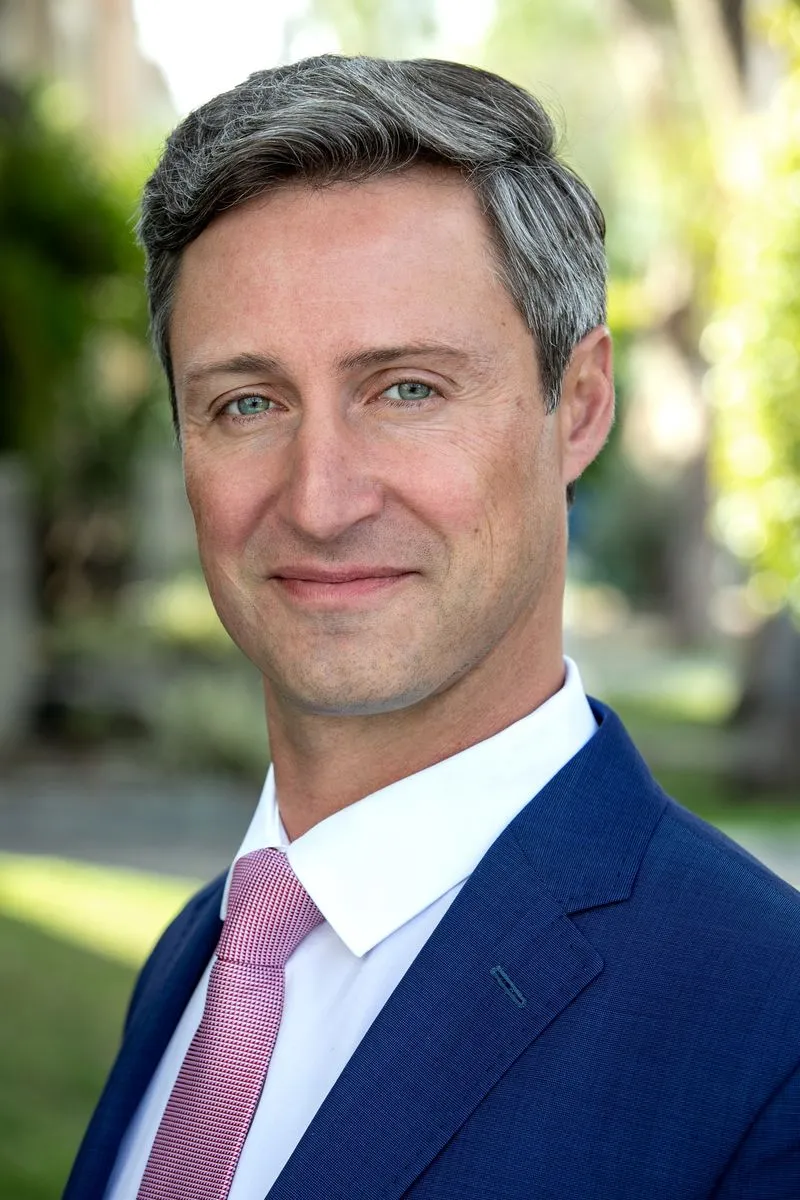
Trevor Damyan is a commercial mortgage broker at Commercial Lending Solutions with a background in structured finance at CBRE and Marcus and Millichap Capital Corporation. He specializes in bridge loans, construction financing, SBA programs, DSCR loans, and complex capital structures for investors and developers across all 50 states.
View full profile →