SBA 504 and 7(a) lending in San Francisco is active among owner-users in healthcare, food and beverage, professional services, and specialty retail, with deal sizes typically ranging from $2M to $15M given the city's elevated real estate values. CDCs including TMC Financing and CDC Small Business Finance are among the most active participants in the Bay Area market, and regional banks including Bank of the West, First Republic successors, and East West Bank are consistent 7(a) originators. Medical office condominiums, neighborhood restaurant buildings, and small professional office acquisitions represent the most common use cases, with SBA execution allowing owner-users to acquire with as little as 10% down in a market where conventional lenders require 30% or more.
When to Use SBA Loans in San Francisco
San Francisco's commercial real estate market, driven by Technology and AI, Life Sciences and Biotech, Financial Services, Healthcare, creates specific scenarios where sba loans are the optimal financing choice:
- Owner-occupied office buildings
- Restaurant and hospitality acquisitions
- Medical and dental practices
- Retail storefronts and service businesses
- Industrial and manufacturing owner-users
- Business expansions and equipment purchases
In the San Francisco-Oakland-Berkeley metro, sba loans are particularly relevant given the market's 2.4% rent growth and 1.8% job growth, which support small business expansion and owner-occupied acquisition strategies.
Current SBA Loan Rates in San Francisco
As of 2026, sba loans in the San Francisco market are pricing at the following levels:
- Rate Range: 5.54% - 8.25%
- Loan Amount: $1M - $20M
- Term: 5 - 25 Years
- Maximum LTV: Up to 90% LTV (504)
- Recourse: Full Recourse (Personal Guarantee)
Rates in San Francisco may vary from national averages based on local market conditions, property type, and sponsor experience. The San Francisco market's 4.25%-5.50% multifamily cap rates and 4.75%-5.75% industrial cap rates influence lender pricing as they underwrite to specific debt yield and coverage targets.
Pricing a live deal? This guide covers how the market works. For current terms, program details, and a free quote, go to our SBA Loans in San Francisco, CA page or call (310) 708-0690.
Qualification Requirements
Qualifying for sba loans in San Francisco requires demonstrating both borrower strength and property fundamentals. Key requirements include:
- Borrower Experience: Lenders evaluate your track record with similar assets in San Francisco or comparable markets
- Net Worth & Liquidity: Most lenders require net worth equal to the loan amount and 6-12 months of debt service in liquid reserves
- Property Performance: Owner-occupied property with at least 51% business use, strong business financials and tax returns
- Market Position: Asset location within San Francisco's strongest submarkets, including Mission Bay, South of Market (SoMa), Potrero Hill, Pacific Heights-Noe Valley
Capital Sources for SBA Loans in San Francisco
The San Francisco market offers access to a diverse set of capital sources for sba loans:
- SBA-Approved Banks
- Certified Development Companies (CDCs)
- Credit Unions
- Community Banks
Each capital source has distinct appetites for property types, leverage levels, and borrower profiles. Working with a commercial mortgage broker who maintains relationships across all these capital sources ensures you're seeing the most competitive terms available in San Francisco.
Exit Strategy Considerations
SBA loans in San Francisco are long-term financing designed for owner-occupied properties, so the primary exit is continued business operation and eventual loan payoff. The SBA 504 program features below-market fixed rates that make early repayment unnecessary for most borrowers. The 7(a) program offers more flexibility for business transitions.
If you plan to sell the property before loan maturity, review your prepayment terms carefully: SBA 504 loans have declining prepayment penalties over the first 10 years, while 7(a) terms vary by lender.
San Francisco Market Context
San Francisco anchors the global technology industry in a way no other metro replicates, with Salesforce, Meta, Google, Apple, and a dense constellation of venture-backed startups collectively commanding some of the highest commercial rents ever recorded in the United States. The Financial District and SoMa corridors once absorbed millions of square feet of Class A office per cycle, but post-pandemic remote and hybrid work policies have pushed downtown office vacancy to historic highs, with sublease availability from major tech occupiers compressing effective rents and forcing lenders to underwrite stabilized occupancy assumptions that would have seemed unthinkable before 2020. Mission Bay tells a different story: the UCSF Medical Center campus and its affiliated life sciences research infrastructure have made that submarket one of the most active lab and medical office corridors on the West Coast, drawing institutional capital even as broader office languishes. Industrial fundamentals across Oakland and the East Bay remain tight, supported by the Port of Oakland's position as the fourth-largest container port in the country and persistent last-mile demand serving one of the highest-density consumer populations in the nation. Multifamily underwriting in San Francisco proper is complicated by rent control ordinances that apply to a large share of the existing housing stock, making new construction the only clean exit for investors seeking unencumbered upside, yet entitlement timelines and construction costs routinely push per-unit development costs above replacement values achievable almost nowhere else. Peninsula submarkets from San Mateo to Palo Alto carry Stanford University's research ecosystem and life sciences spillover as durable demand drivers, giving those corridors a differentiated rent floor that broader Bay Area softness has not fully eroded.
Understanding the local market dynamics is critical for structuring the right financing. The San Francisco metro's key commercial neighborhoods include SoMa, Financial District, Mission Bay, Oakland, San Mateo, Palo Alto, each with distinct property characteristics and tenant demand profiles.
Get a SBA Loan Quote for San Francisco
CLS CRE provides sba loans throughout the San Francisco-Oakland-Berkeley metro area, with access to 1,000+ lenders competing for your deal. Our market expertise in San Francisco commercial real estate helps you navigate the lending landscape and secure the most competitive terms available.
Related resources:
- SBA Loans: National Overview
- SBA Loans in San Francisco: Rates & Terms
- Commercial Real Estate Loans in San Francisco
- Multifamily Investing in San Francisco
- Industrial Investing in San Francisco
- San Francisco Commercial Real Estate Market Report 2026
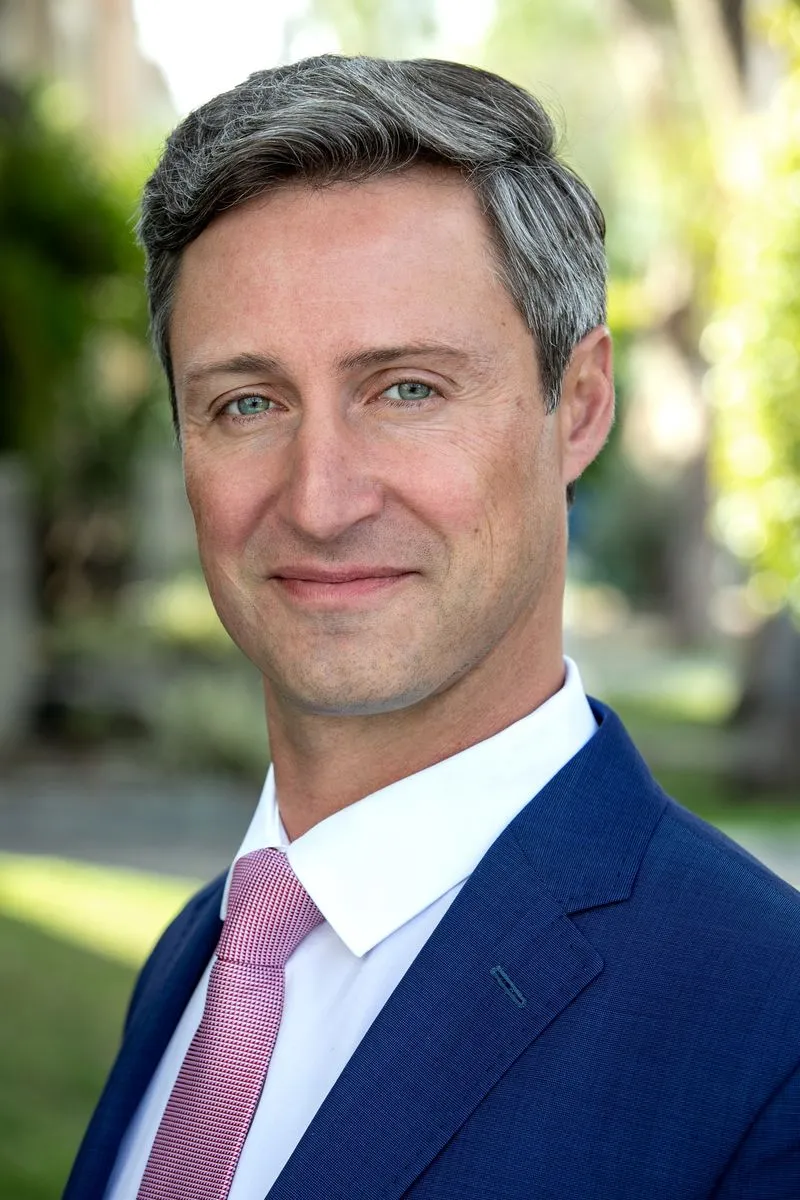
Trevor Damyan is a commercial mortgage broker at Commercial Lending Solutions with a background in structured finance at CBRE and Marcus and Millichap Capital Corporation. He specializes in bridge loans, construction financing, SBA programs, DSCR loans, and complex capital structures for investors and developers across all 50 states.
View full profile →