Rate Environment: Week of July 13, 2026
The 10-year Treasury opened this week in the 4.18 to 4.24 percent range, continuing a modest drift lower from the 4.40-plus prints that characterized much of late spring. For Seattle-area borrowers, the directional move is welcome, but lenders are not passing it through uniformly. Spreads on conventional commercial real estate debt remain wider than historical norms across most property types, and the practical all-in financing cost on a stabilized multifamily deal in this metro is still landing in the mid-to-high 5 percent range depending on loan-to-value, sponsorship strength, and which part of the capital stack is being sourced. Debt service coverage ratio requirements from regional banks have tightened further over the past 60 days, with several institutions requiring 1.30x or better at the note rate rather than at a stressed rate, a distinction that is quietly eliminating otherwise creditworthy deals at higher leverage points.
Agency execution through Fannie Mae and Freddie Mac remains the most competitive financing available for qualified multifamily assets in the metro, with spreads holding in the 155 to 175 basis point range over the 10-year on full-term interest-only requests for well-located, stabilized product. Life company allocations are active but selective, concentrating on sub-60 percent LTV transactions with strong in-place cash flow. Debt funds are filling the gap for transitional and value-add sponsors, but their pricing reflects it, with floating-rate bridge debt still clearing in the SOFR plus 300 to 375 basis point range on anything with meaningful lease-up risk.
Submarket Watch: Denny Triangle Corridor and the Kent Valley
Two dynamics are worth flagging specifically this week. In the Denny Triangle corridor, office fundamentals are showing the first credible signs of floor-setting rather than continued deterioration. Sublease availability has stopped expanding, and a small but real uptick in direct leasing inquiries from cloud infrastructure and AI-adjacent tenants has lenders cautiously reassessing the floor on office valuations in this pocket. That said, "cautiously" is doing real work in that sentence. No regional bank or life company active in Seattle is underwriting forward rent growth in Denny Triangle office right now. What they will do is lend against heavily discounted in-place cash flow at conservative LTVs, and a handful of deals at 50 to 55 percent LTV with strong sponsorship are finding traction with balance sheet lenders who want the credit quality without the headline risk of a larger office commitment. Borrowers testing the market above 60 percent LTV on office in this corridor should expect a very short list of willing counterparties.
In the Kent Valley, the industrial story remains structurally sound but is showing its first signs of digestion. Net absorption has slowed from the torrid pace of 2023 and 2024, and a wave of speculative cold storage and last-mile product delivered over the past 18 months has pushed vacancy off its lows into the 5 to 7 percent range for certain size bays. This is not a distress signal, but it is a repricing signal for deals underwriting to aggressive mark-to-market rent assumptions on near-term lease expirations. Lenders financing Kent Valley industrial this week are stress-testing renewal probabilities more carefully than they were 12 months ago, and borrowers who purchased at peak pricing in 2022 or early 2023 and are now refinancing into a higher rate environment may find that stabilized value and lender value are not the same number.
What This Means for Borrowers Financing Seattle Deals Right Now
The clearest opportunity in this market continues to sit in multifamily, specifically workforce and market-rate product in supply-constrained corridors where Puget Sound geography and Growth Management Act restrictions prevent easy new competition. Agency and life company execution for these assets remains competitive, and the Washington State income tax absence continues to support rent fundamentals in a way that underwrites credibly to most lenders' models.
For sponsors working on anything outside of that lane, lender selection and sequencing matters more this week than it has in several years. The gap between what a well-matched lender will do and what an indifferent lender will quote has widened considerably. Industrial borrowers in the Kent Valley, life science sponsors in the University District with partially leased product, and any office owner in the Denny Triangle with a near-term maturity need to be working with a broker who knows exactly which institutions are actively quoting these deal types and which ones are pricing to decline. Shotgunning a deal to a broad lender list in this environment produces noise, not execution.
Floating-rate bridge loans originated in 2023 and 2024 with 2026 maturities are the pressure point to watch closely. Extension options are available on some of these, but lenders are exercising increased discretion, and sponsors who assumed a straightforward refi into permanent debt at lower rates are finding the math tighter than projected. Proactive conversations with the existing lender and a parallel permanent financing process are both worth starting now rather than at maturity.
Contact CLS CRE at 310.708.0690 or loans@clscre.com to discuss financing for a Seattle-area deal.
For the full Seattle commercial real estate financing overview, see our Seattle market report.
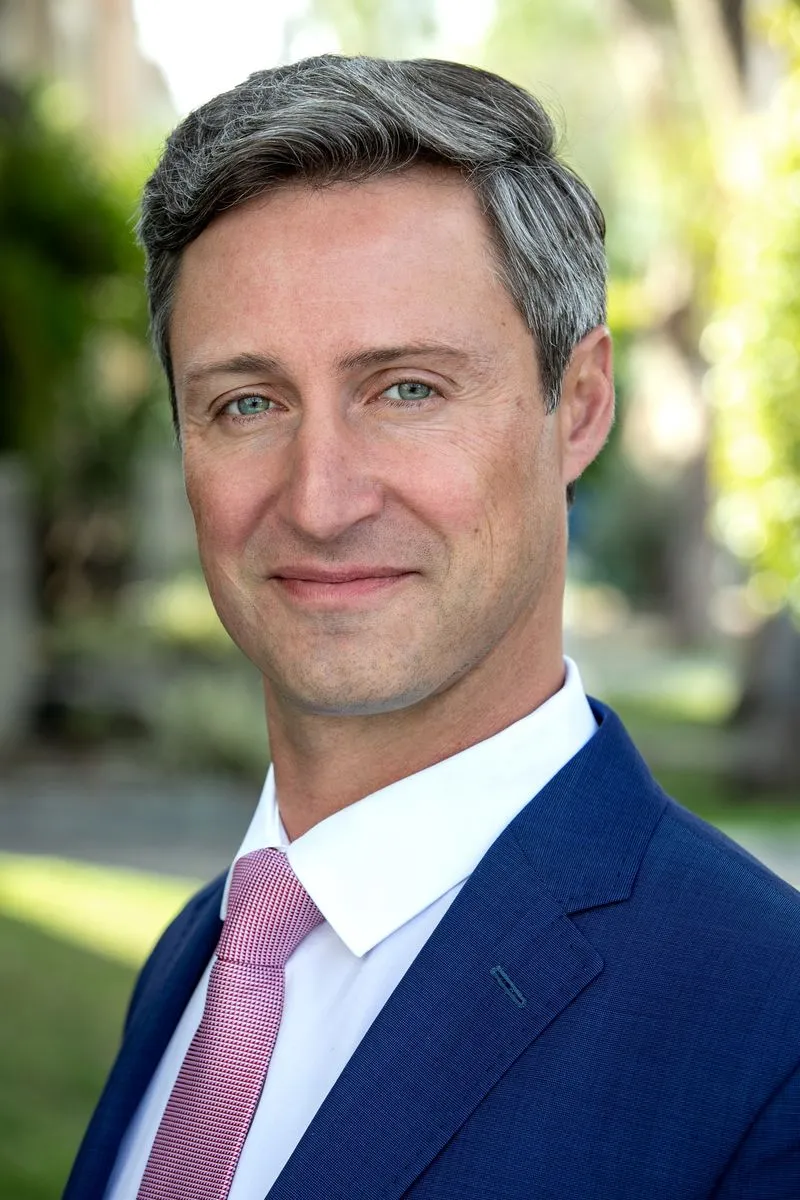
Trevor Damyan is a commercial mortgage broker at Commercial Lending Solutions with a background in structured finance at CBRE and Marcus and Millichap Capital Corporation. He specializes in bridge loans, construction financing, SBA programs, DSCR loans, and complex capital structures for investors and developers across all 50 states.
View full profile →