Commercial Real Estate Loans in New York
New York commercial real estate financing spans the most institutionally contested market in the world and a set of upstate metros in the middle of a genuine manufacturing revival, and the capital stack looks completely different at each end. Commercial Lending Solutions arranges commercial real estate loans across the state, from New York City through Poughkeepsie and the Hudson Valley, the Capital Region around Albany, and the upstate cities of Buffalo, Rochester, Syracuse, Utica, and Binghamton. New York City remains the deepest pool of commercial real estate capital anywhere: money-center banks, life insurance companies, debt funds, and CMBS desks all compete for collateral across the five boroughs, and the city's finance, media, healthcare, and tourism engines keep demand diversified. Upstate, the story is semiconductors and eds and meds. Micron's planned fab complex north of Syracuse, GlobalFoundries in Malta outside Albany, the University at Buffalo medical campus, Rochester's optics and photonics cluster anchored by the University of Rochester, and Binghamton University in the Southern Tier are pulling institutional capital into markets that were community-bank territory a decade ago.
Two facts shape every New York financing. First, the state's mortgage recording tax is the highest-impact mortgage tax in the country, and structuring around it through CEMA assignments is table stakes on refinancings. Second, the Housing Stability and Tenant Protection Act of 2019 split the multifamily market in two: rent-stabilized buildings in New York City now trade and finance on fundamentally different terms than free-market product. CLS CRE places both, and knowing which lenders still want regulated rent rolls, and at what leverage, is exactly the kind of placement intelligence that separates a quote from a closing.
Apply for New York Financing →What Lenders Underwrite in New York
Foreclosure and Lender Appetite
New York foreclosures run through the courts and are among the longest in the nation, often one to three years from default to recovery. Lenders price that recovery risk into spreads and leverage, and bridge lenders in particular underwrite New York collateral with extra margin for a slow exit, though the depth of the market keeps every capital source at the table.
Recording Taxes and Closing Costs
New York's mortgage recording tax is the most consequential in the country: roughly 0.5% to 1.3% outside New York City depending on county, and 2.80% on New York City commercial mortgages of $500,000 or more, so on refinancings a CEMA (consolidation, extension and modification agreement) assigns the existing mortgage and limits the tax to new money.
The mortgage recording tax shapes New York deal structuring more than any other single item. CEMA assignments on refinancings are standard practice, the existing lender's willingness to cooperate on an assignment is itself a selection criterion, and new-money sizing gets negotiated with the tax in mind. Legal and lender's counsel costs run higher here than anywhere else in the country and belong in the closing budget from day one. Since HSTPA in 2019, rent-stabilized multifamily finances on its own track, with lower leverage and a narrower lender bench, while free-market product remains fiercely competitive. Judicial foreclosure timelines are priced in, not avoided.
Key Commercial Real Estate Sectors in New York
Multifamily
New York City multifamily has been two markets since HSTPA 2019: free-market and new-construction product draws agency, bank, and life company capital aggressively, while rent-stabilized buildings finance at lower leverage through a narrower bench of lenders who size to in-place regulated income rather than pro forma upside.
Industrial and Logistics
Last-mile industrial in the outer boroughs serves the largest consumer market in the country, with JFK air cargo anchoring Queens demand. Upstate, distribution along the I-90 corridor through Syracuse, Rochester, and Buffalo is drawing fresh capital alongside the semiconductor buildout.
Semiconductors and Advanced Manufacturing
Micron's planned megafab north of Syracuse and GlobalFoundries in Malta near Albany anchor one of the largest advanced manufacturing pipelines in the nation, pulling supplier facilities, workforce housing, and hospitality development into Central New York and the Capital Region.
Eds and Meds
The University of Rochester is its region's largest employer, and the University at Buffalo, Syracuse University, Binghamton University, and the Albany academic health complex stabilize demand for medical office, student housing, and multifamily across every upstate metro CLS CRE covers.
Regulatory Environment
The Housing Stability and Tenant Protection Act of 2019 rewired New York multifamily underwriting: vacancy decontrol ended, renovation cost recovery was capped, and rent stabilization became effectively permanent, so lenders now size regulated buildings to in-place income with no deregulation story. In New York City, Local Law 97 imposes carbon caps on larger buildings with real fines, and retrofit budgets increasingly appear in loan sizing. The 485-x program replaced 421-a as the tax incentive for new multifamily construction, and its wage requirements change development math. Property taxes on NYC commercial assets are among the heaviest in the country, while upstate municipalities compete for the semiconductor supply chain with aggressive PILOT agreements and faster entitlements.
Which Lenders Are Active in New York
In New York City, every category of capital competes: money-center banks, life insurance companies, debt funds, CMBS desks, and agency lenders on multifamily. The savings bank tradition of lending on rent-stabilized product thinned after 2019, and debt funds have absorbed much of the transitional demand. Upstate, the bench shifts to regional and community banks and credit unions, with agency lenders very active on stabilized apartments in Buffalo, Rochester, and Syracuse and institutional capital following the semiconductor corridor into the Capital Region. Matching the asset to the right tier of that stack is the core of New York execution.
Commercial Real Estate Markets We Cover in New York
Loan Programs Available in New York
Every CLS CRE loan program is available for New York properties. Explore program details, typical terms, and lender sources.
New York Closed Transactions
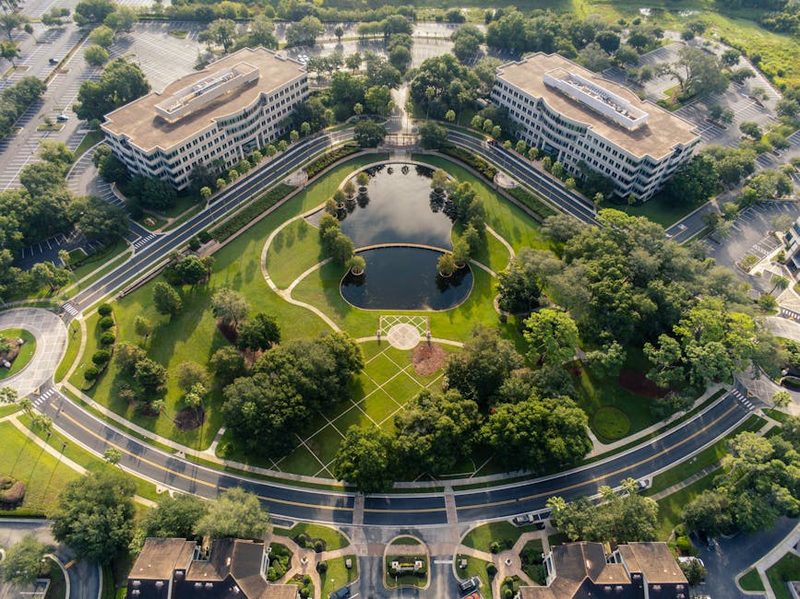
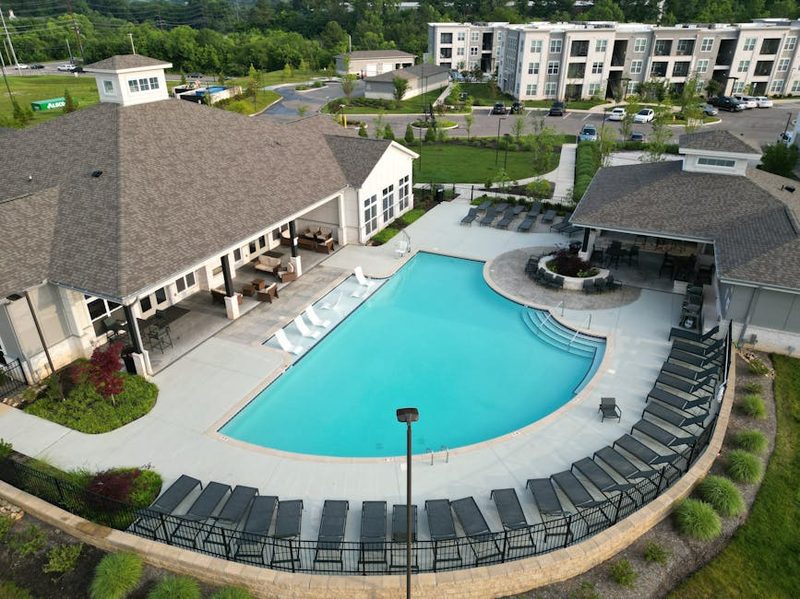
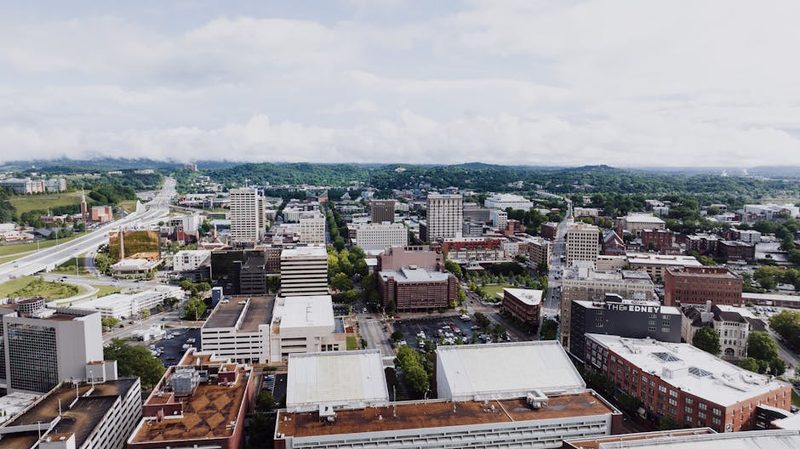
A selection of commercial loans arranged in New York and comparable markets.


Commercial Real Estate Lending in New York: FAQ
Nearby States We Cover
Get Commercial Financing in New York
Contact Commercial Lending Solutions for a free, no-obligation quote on commercial real estate financing anywhere in New York. We respond within 24 hours.
Apply for Financing →