Commercial Real Estate Loans in Washington
Washington is one of the West Coast's premier commercial real estate financing markets, anchored by a Seattle metro that punches at institutional weight and a set of secondary markets with genuinely distinct economies. Commercial Lending Solutions arranges commercial real estate loans across the state's major metros: Seattle, Tacoma, Spokane, Olympia, Bellingham, Yakima, and the Kennewick Tri-Cities. The Puget Sound economy runs on technology and aerospace, with major software and cloud employers concentrated in Seattle and Bellevue, aerospace manufacturing in Everett and Renton, and the Port of Seattle and Port of Tacoma operating jointly as the Northwest Seaport Alliance, one of the largest container gateways in North America. That port complex feeds an industrial corridor running through the Kent Valley and down I-5 through Tacoma toward Joint Base Lewis-McChord and Olympia.
East of the Cascades the story changes completely. Spokane serves as the healthcare, logistics, and higher-education hub for the Inland Northwest, Yakima anchors one of the country's most productive agricultural valleys, and the Tri-Cities run on the Hanford cleanup workforce, Pacific Northwest National Laboratory, and an expanding wine and food-processing base. Capital flows accordingly: institutional lenders compete hard for Seattle-area multifamily and industrial, while eastern Washington deals reward brokers who know which regional banks and credit unions actually want that collateral. CLS CRE runs both sides of the state, matching Puget Sound deals to national capital and secondary-market deals to the balance-sheet lenders that price them best.
Apply for Washington Financing →What Lenders Underwrite in Washington
Foreclosure and Lender Appetite
Washington lenders foreclose through a trustee sale under a deed of trust, typically completing in roughly five to six months without court involvement. That certainty of remedy keeps the full spectrum of lenders active in the state and supports competitive bridge and debt fund leverage.
Recording Taxes and Closing Costs
Washington's real estate excise tax hits property sales, not financings, so refinancing a commercial property carries standard recording fees and no state transfer cost.
Washington offers a deep lender pool with a strong regional bank and credit union bench alongside national capital. Seattle-area underwriting has local texture: older unreinforced masonry buildings in Seattle and Tacoma draw seismic scrutiny, and lenders on vintage product may require retrofit reserves or PML studies. Seattle's expanding tenant protections and eviction timelines make some out-of-state lenders underwrite city multifamily more conservatively than suburban product. East of the Cascades, community banks and credit unions dominate and know their submarkets cold; pairing an eastern Washington deal with a coastal lender that has never seen Yakima collateral wastes weeks. Statewide, no rate caps or mortgage taxes complicate execution.
Key Commercial Real Estate Sectors in Washington
Industrial and Logistics
The Kent Valley between Seattle and Tacoma is one of the largest industrial submarkets on the West Coast, fed by the Northwest Seaport Alliance ports. Distribution demand extends down I-5 to Lacey and Olympia and east along I-90, where Spokane has emerged as a regional logistics hub for the Inland Northwest.
Multifamily
Chronic undersupply across Puget Sound keeps agency lenders, banks, and bridge capital competing for apartment deals from Bellingham to Tacoma. Spokane and the Tri-Cities have drawn steady value-add and new-construction multifamily flow as in-migration pushes rents in markets that still pencil.
Technology and Life Sciences
Seattle's South Lake Union and the Eastside cities of Bellevue and Redmond anchor one of the country's largest tech employment bases, with a growing life sciences cluster around the University of Washington and Fred Hutch driving lab and R&D conversion financing.
Agriculture and Food Processing
The Yakima Valley and Columbia Basin support cold storage, packing, and processing facilities tied to apples, hops, and wine. These specialized assets route to regional banks, Farm Credit-adjacent capital, and lenders comfortable with single-purpose agricultural industrial product.
Regulatory Environment
Washington has no statewide rent control, but Seattle layers meaningful tenant protections, eviction timelines, and rental registration requirements that lenders factor into city multifamily underwriting, and the legislature debates statewide caps regularly, so sophisticated lenders watch Olympia. The state's energy code is among the strictest in the country, and Seattle's building performance standards add compliance capital planning for older office and large commercial assets. Entitlements in Seattle and the Eastside run slow by national standards under the Growth Management Act's urban growth boundaries, which constrains land supply and makes entitled sites valuable collateral. Property taxes are moderate and there is no state income tax, a genuine draw for sponsors domiciling investments here.
Which Lenders Are Active in Washington
Puget Sound collateral attracts every capital type: money-center banks, life insurance companies chasing industrial and trophy multifamily, agency lenders dominating stabilized apartments, debt funds pricing bridge and construction, and CMBS on stabilized retail and hospitality. Washington also has an unusually strong credit union sector that competes aggressively on commercial balance-sheet deals into the mid eight figures. East of the Cascades, regional and community banks with genuine Spokane, Yakima, and Tri-Cities knowledge do most of the volume, and matching that local appetite is where a broker earns the fee.
Commercial Real Estate Markets We Cover in Washington
Loan Programs Available in Washington
Every CLS CRE loan program is available for Washington properties. Explore program details, typical terms, and lender sources.
Washington Closed Transactions
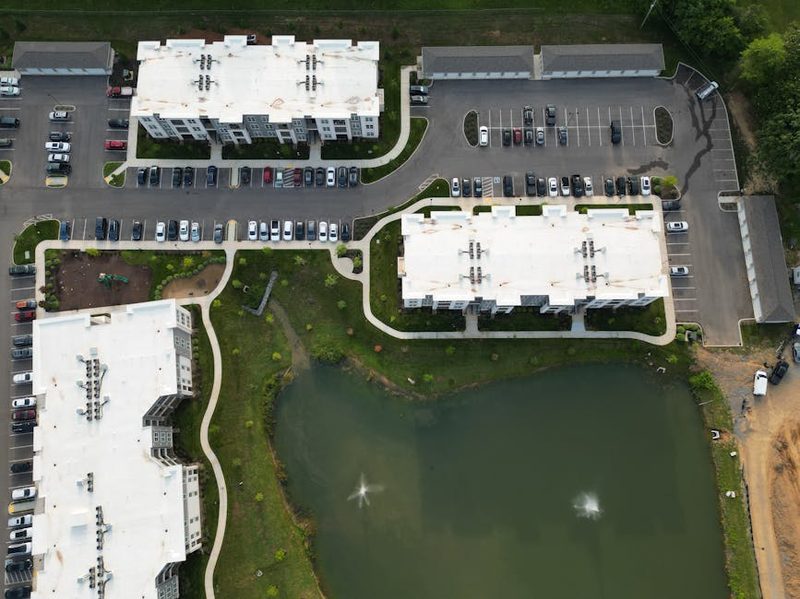
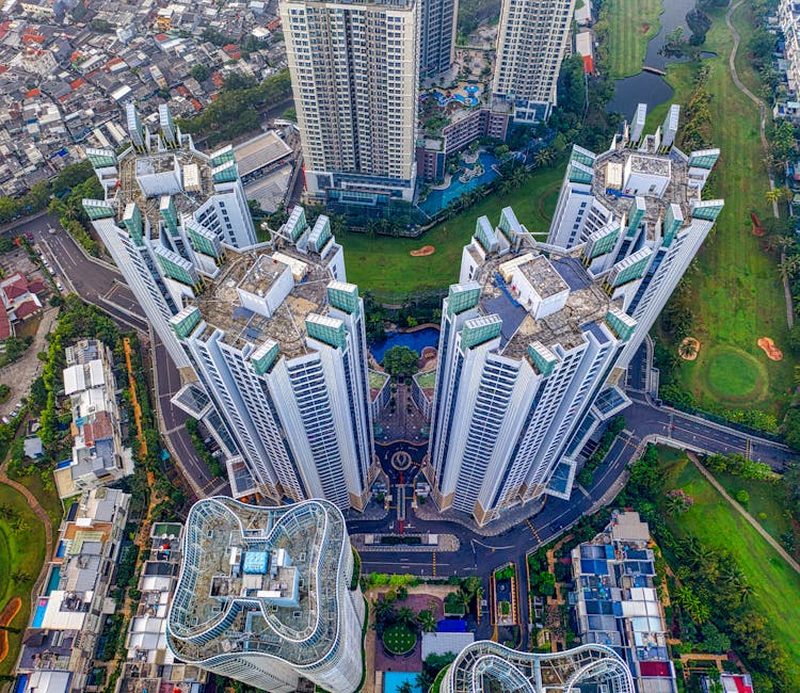
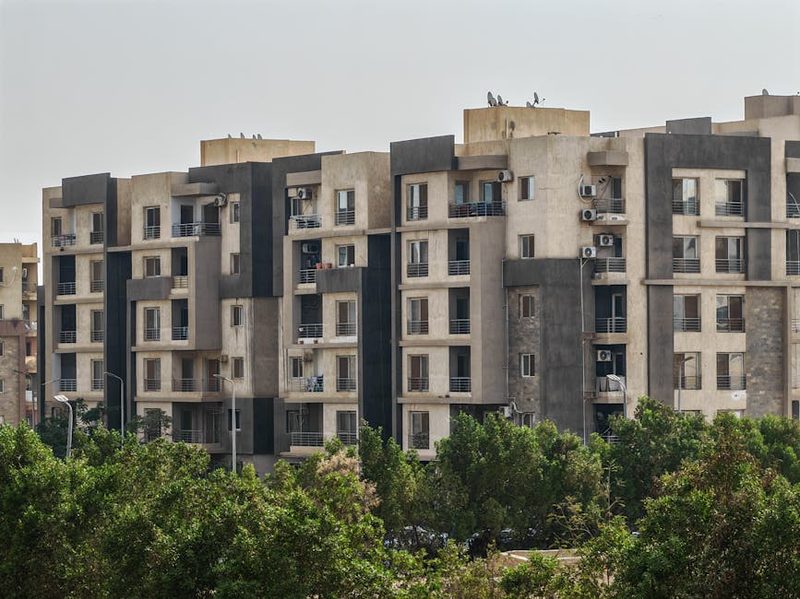
A selection of commercial loans arranged in Washington and comparable markets.
Commercial Real Estate Lending in Washington: FAQ
Get Commercial Financing in Washington
Contact Commercial Lending Solutions for a free, no-obligation quote on commercial real estate financing anywhere in Washington. We respond within 24 hours.
Apply for Financing →