Commercial Real Estate Loans in Washington, D.C.
Washington, D.C. commercial real estate financing is a study in two markets moving in opposite directions, and borrowers need capital matched to the right one. Commercial Lending Solutions arranges commercial real estate loans across the District, from the downtown core through the growth submarkets of NoMa, Union Market, Navy Yard, and the Capitol Riverfront. The demand base is unlike anywhere else in the country: the federal government and its contractor ecosystem, a dense roster of universities including Georgetown, George Washington, Howard, and Catholic, major hospital systems, and one of the nation's strongest tourism and convention economies. Multifamily is the healthy market, supported by a highly educated renter base and consistent absorption in the emerging submarkets east and south of downtown. Office is the challenged one: shrinking federal lease footprints and hybrid work have pushed older downtown office into genuine distress, and the District has responded with tax abatement programs designed to accelerate office-to-residential conversion, which has become a real and financeable deal type rather than a talking point.
DC's regulatory environment is the most intensive on the East Coast, with TOPA tenant purchase rights, rent control on older buildings, and building energy performance standards all shaping underwriting. That complexity is exactly where placement expertise earns its keep: CLS CRE routes District deals to the banks, agencies, debt funds, and life companies that already lend here fluently, because a lender learning DC's rules on your deal is a slow lender.
Apply for Washington, D.C. Financing →What Lenders Underwrite in Washington, D.C.
Foreclosure and Lender Appetite
The District permits non-judicial foreclosure under deeds of trust, though lenders on commercial assets also elect judicial foreclosure when circumstances warrant. The available trustee-sale remedy keeps recovery timelines reasonable and the commercial lender pool deep for a market this regulated.
Recording Taxes and Closing Costs
DC charges a recordation tax on commercial deeds of trust: 1.45% on financings under $2 million, stepping up to 2.9% at $2 million and above, one of the heavier mortgage recording costs in the country. Since most CLS CRE loan sizes clear that $2 million line, borrowers should plan on the higher rate and build it into sources and uses on every financing.
Three DC-specific rules shape nearly every deal. First, the 1.45% recordation tax on commercial deeds of trust is a real cost that influences how often owners refinance and how deals get structured. Second, TOPA, the Tenant Opportunity to Purchase Act, gives residential tenants rights when a building is sold, adding months of process to multifamily transactions, and lenders underwrite that timeline into rate locks and closing schedules. Third, rent control under the Rental Housing Act covers most buildings built before 1976, and lenders size regulated assets to controlled rent trajectories. Add the BEPS building energy performance standards and you have a market where lender experience in the District is worth real basis points.
Key Commercial Real Estate Sectors in Washington, D.C.
Multifamily
The District's educated renter base and the NoMa, Union Market, and Navy Yard growth corridors keep agency lenders, banks, and debt funds active, with TOPA process and rent control on pre-1976 stock as the underwriting features that separate experienced DC lenders from tourists.
Office-to-Residential Conversion
Downtown office distress plus the District's conversion tax abatement programs have made adaptive reuse a genuine deal type, financed by bridge lenders and debt funds that underwrite the conversion basis, floor plate feasibility, and abatement economics.
Hospitality
One of the country's strongest tourism, convention, and government-travel markets supports institutional hotel lending across the District, with renovation and repositioning bridge debt active as the market recovers its group calendar.
Eds and Meds
Georgetown, George Washington, Howard, and Catholic universities plus major hospital systems anchor steady demand for medical office, student-oriented housing, and institutional real estate across the District.
Regulatory Environment
The District is the most heavily regulated market in the region and lenders price for it. TOPA gives residential tenants purchase rights when buildings trade, adding months to multifamily sales and requiring careful transaction sequencing. Rent control under the Rental Housing Act covers most pre-1976 buildings, with annual increases tied to CPI-based caps. The Building Energy Performance Standards program requires buildings above size thresholds to hit energy targets on a recurring cycle, and older stock needs capital plans to comply. On the incentive side, the District has moved aggressively to support downtown conversion, with tax abatements for office-to-residential projects, and its entitlement process, while deliberate, rewards sponsors who plan for it. Underwrite the rules and DC remains a deep, institutional, fundamentally supply-constrained market.
Which Lenders Are Active in Washington, D.C.
Washington is an institutional market and the capital reflects it. Money-center and regional banks lend on stabilized assets across the District, agency lenders are the backbone of multifamily finance including regulated and mission-driven product, life insurance companies pursue trophy multifamily, hospitality, and mixed-use, and debt funds have become the essential capital source for office conversions, TOPA-complicated acquisitions, and transitional business plans banks now decline. CMBS takes selective hospitality and retail. The dividing line in DC is not capital availability but fluency: lenders with active District books underwrite TOPA, rent control, and BEPS as routine, and those are the lenders worth approaching first.
Commercial Real Estate Markets We Cover in Washington, D.C.
Loan Programs Available in Washington, D.C.
Every CLS CRE loan program is available for Washington, D.C. properties. Explore program details, typical terms, and lender sources.
Washington, D.C. Closed Transactions
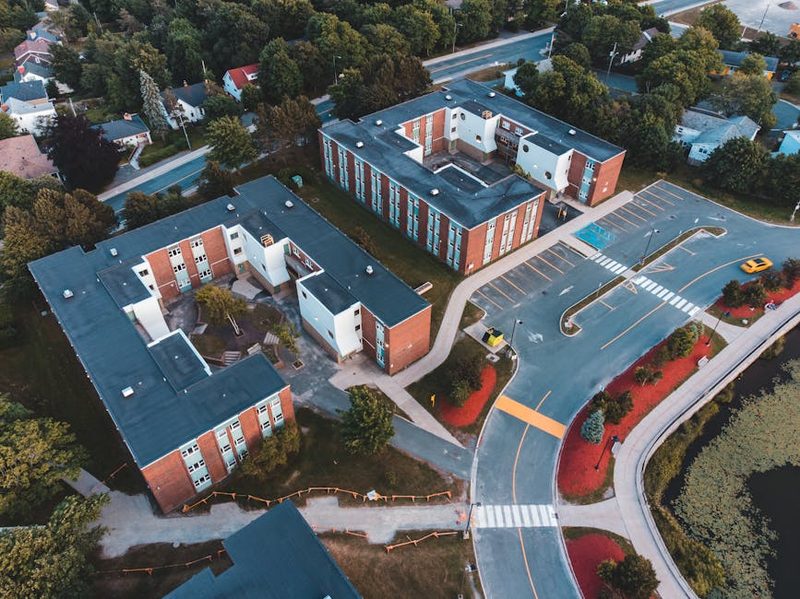
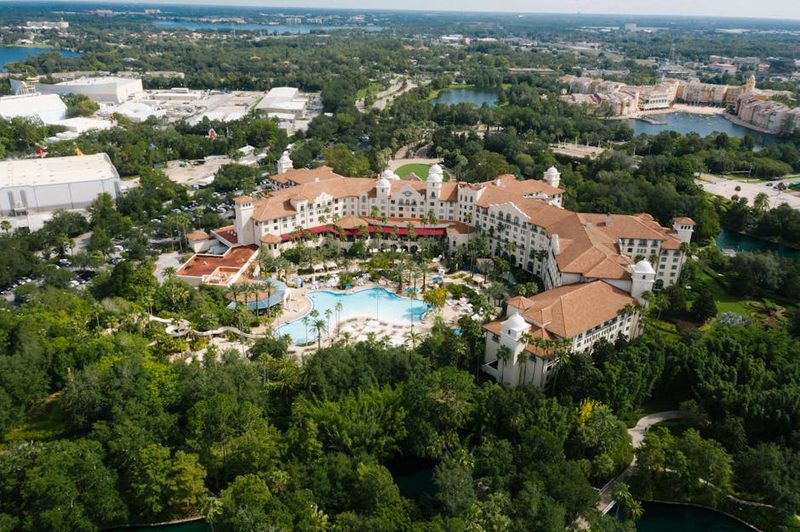
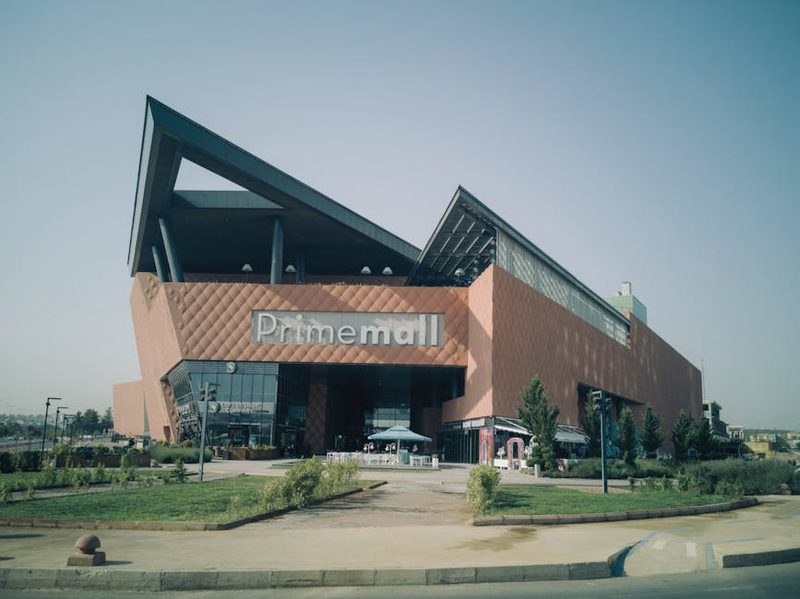
A selection of commercial loans arranged in Washington, D.C. and comparable markets.



Commercial Real Estate Lending in Washington, D.C.: FAQ
Nearby States We Cover
Get Commercial Financing in Washington, D.C.
Contact Commercial Lending Solutions for a free, no-obligation quote on commercial real estate financing anywhere in Washington, D.C.. We respond within 24 hours.
Apply for Financing →