Eugene hospitality runs on a distinctive event calendar: University of Oregon football at Autzen Stadium, the Prefontaine Classic and national championship meets at Hayward Field, and graduation and move-in weekends produce compression nights at rates far above the metro baseline. The Graduate Eugene and The Gordon Hotel anchor the downtown full-service and boutique segments, while select-service flags cluster near Gateway and Interstate 5 in Springfield. Underwriting must average peak event RevPAR against soft midweek winter demand; stabilized assets trade in the 7.75% to 9.00% cap rate range.
Hospitality Market Overview: Eugene 2026
The Eugene hospitality market in 2026 reflects the metro's broader economic momentum, driven by University of Oregon, PeaceHealth, Eugene School District 4J, Lane County, PacificSource Health Plans, Lane Community College, Rosboro, Grain Millers, Marathon Coach. Key metrics for hospitality investors:
- Hospitality Vacancy: 34.0%
- Hospitality Cap Rates: 7.75%-9.00%
- Metro Rent Growth: 2.9% year-over-year
- Job Growth: 1.4%
- Population Growth: 0.8%
- Median Asking Rent: $1,495
Hospitality Subtypes in Eugene
The Eugene hospitality market encompasses a range of property subtypes, each with distinct risk-return profiles and financing requirements:
- Full-Service Hotels
- Limited-Service / Select-Service
- Boutique & Independent Hotels
- Extended Stay
- Resorts & Spas
- Entertainment Venues
- Conference & Event Centers
- Specialty Hospitality (Aquariums, TopGolf, etc.)
Each subtype has different lender appetite, underwriting criteria, and optimal financing structures. Understanding which subtypes perform best in Eugene's specific market conditions is critical for investment success.
Key Investment Metrics
Hospitality investors evaluating Eugene should focus on these key performance indicators:
- Cap Rate Spread: Eugene hospitality cap rates at 7.75%-9.00% compare favorably to national averages, reflecting attractive yields for investors seeking current cash flow
- Rent Growth Trajectory: 2.9% annual rent growth supports both value-add and core investment strategies
- Supply Pipeline: New hospitality construction activity should be evaluated relative to the market's absorption capacity
- Tenant Quality: The Eugene metro's major employment sectors (University of Oregon, PeaceHealth, Eugene School District 4J, Lane County, PacificSource Health Plans, Lane Community College, Rosboro, Grain Millers, Marathon Coach) drive hospitality tenant demand and creditworthiness
Financing Options for Hospitality in Eugene
Hospitality properties in Eugene can be financed through multiple capital sources, each with distinct advantages:
- Bank Permanent Loans
- CMBS
- SBA 504 / 7(a)
- Bridge Loans
- Construction & Renovation
- Mezzanine & Preferred Equity
The optimal financing structure depends on your business plan (core hold, value-add, or development), the property's current condition and occupancy, and your desired leverage and hold period. In the Eugene market, lenders are most competitive for well-located assets with strong fundamentals and experienced sponsors.
Financing a hospitality deal in Eugene? This guide covers the investment landscape. For current terms, capital sources, and a free quote, go to our Hospitality Financing in Eugene, OR page or call (310) 708-0690.
Top Submarkets for Hospitality Investment
The Eugene metro features several distinct submarkets for hospitality investment, each with unique characteristics:
- Downtown Eugene: offering distinct opportunities within the broader Eugene hospitality market
- West Eugene: offering distinct opportunities within the broader Eugene hospitality market
- Santa Clara: offering distinct opportunities within the broader Eugene hospitality market
- Bethel: offering distinct opportunities within the broader Eugene hospitality market
- Coburg: offering distinct opportunities within the broader Eugene hospitality market
- Springfield OR: offering distinct opportunities within the broader Eugene hospitality market
- Junction City: offering distinct opportunities within the broader Eugene hospitality market
- Cottage Grove: offering distinct opportunities within the broader Eugene hospitality market
- Creswell: offering distinct opportunities within the broader Eugene hospitality market
- Albany OR: offering distinct opportunities within the broader Eugene hospitality market
- Corvallis: offering distinct opportunities within the broader Eugene hospitality market
- Salem OR: offering distinct opportunities within the broader Eugene hospitality market
The most active investment corridors for hospitality in Eugene include Downtown Eugene, West University, Gateway (Springfield), West Eugene/Highway 99, Coburg Road corridor. Submarket selection significantly impacts both returns and financing terms, as lenders evaluate location-specific metrics in their underwriting.
Investment Thesis: Hospitality in Eugene
The investment case for hospitality in Eugene rests on several structural factors:
- Economic Fundamentals: 1.4% job growth and 0.8% population growth create durable demand
- Market Pricing: Cap rates at 7.75%-9.00% offer attractive entry points relative to coastal gateway markets
- Financing Environment: The Eugene market's depth and lender familiarity support competitive borrowing costs
- Growth Potential: 2.9% rent growth supports improving cash flows over the hold period
Eugene's commercial real estate market is anchored by the University of Oregon, which enrolls roughly 22,000 students and employs thousands across its academic, administrative, and healthcare networks, while the broader metro extends south along I-5 through Springfield, Cottage Grove, and Creswell and north through Junction City toward Corvallis and Albany. The university's footprint drives persistent demand for student-oriented and conventional multifamily within walking distance of campus, particularly along Franklin Boulevard and in the Fairmount neighborhood, where vacancy stays structurally low regardless of broader apartment cycles. PeaceHealth, the dominant regional health system, anchors medical office demand across Eugene and Springfield, and continued expansion of its RiverBend campus has supported investment in outpatient medical facilities and specialty clinic space. West Eugene has historically absorbed light industrial and flex product serving the city's outdoor and athletic goods manufacturing heritage, including operations tied to Nike's supply chain ecosystem and companies like Hynix and smaller fabricators that occupy the Airport Business Park corridor. Retail fundamentals vary sharply by node, with necessity-anchored centers in Santa Clara and Springfield holding occupancy better than discretionary formats downtown, where a persistent office vacancy overhang from pandemic-era departures continues to complicate mixed-use underwriting. Oregon's statewide rent control statute and Eugene's locally restrictive land use regulations, rooted in Senate Bill 100 urban growth boundaries, compress new supply across all property types, which supports long-term rent growth assumptions for existing multifamily and industrial assets even as permitting timelines add friction for development-oriented capital.
CLS CRE: Hospitality Financing in Eugene
CLS CRE specializes in hospitality financing throughout the Eugene metropolitan area. With access to 1,000+ lenders, we match your specific hospitality investment with the right capital source at the most competitive terms available.
Related resources:
- Hospitality Financing: National Overview
- Hospitality Financing in Eugene: Rates & Terms
- Commercial Real Estate Loans in Eugene
- Bridge Loans in Eugene
- Permanent Loans in Eugene
- Construction Loans in Eugene
- Eugene Commercial Real Estate Market Report 2026
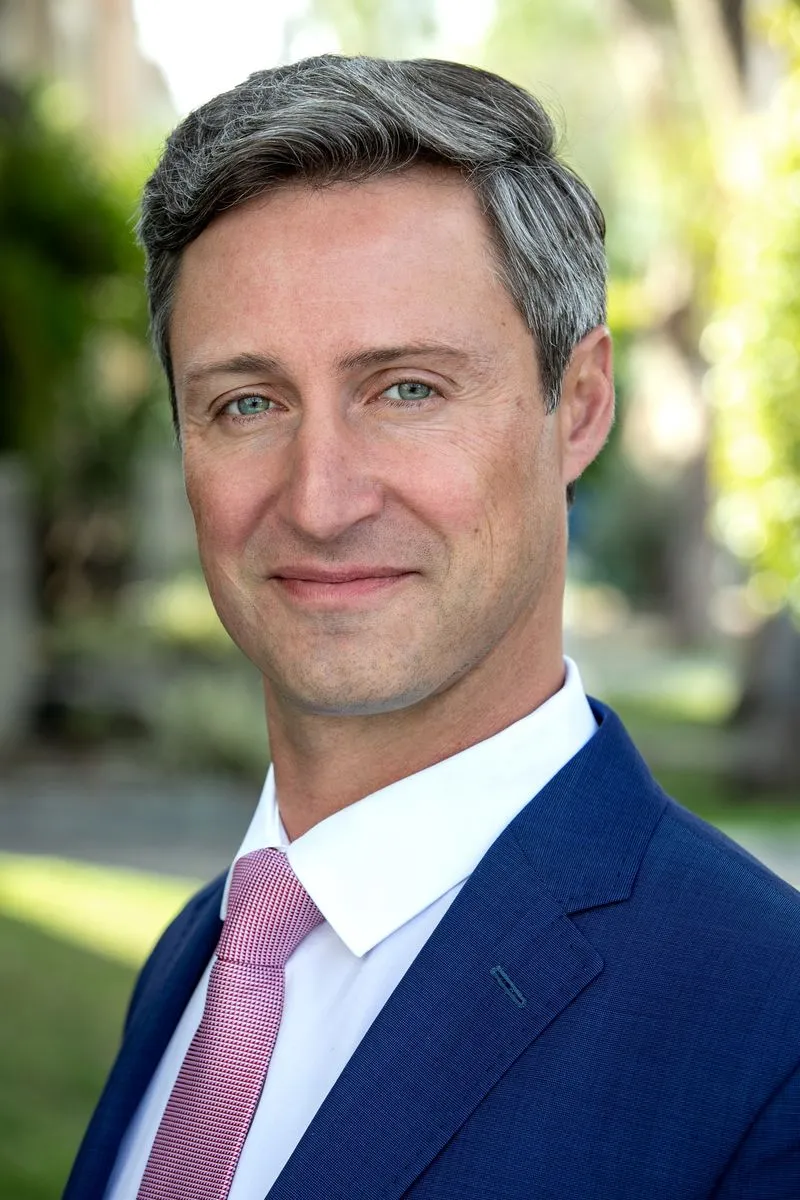
Trevor Damyan is a commercial mortgage broker at Commercial Lending Solutions with a background in structured finance at CBRE and Marcus and Millichap Capital Corporation. He specializes in bridge loans, construction financing, SBA programs, DSCR loans, and complex capital structures for investors and developers across all 50 states.
View full profile →