Flagstaff multifamily is Arizona's most supply-constrained university market. Federal forest land ownership on all sides legally prevents suburban sprawl, creating a housing crisis with 4.5 percent vacancy and 5.2 percent annual rent growth. Cap rates of 5.5 to 7 percent for Class B product are compressing toward Phoenix levels as institutional capital recognizes the scarcity dynamic.
Multifamily Market Overview: Flagstaff 2026
The Flagstaff multifamily market in 2026 reflects the metro's broader economic momentum, driven by Northern Arizona University (29000 students), Flagstaff Medical Center (Banner Health), Coconino County government, Burlington Northern Santa Fe Railway (main line operations), Arizona Snowbowl ski resort, Grand Canyon National Park (nearby gateway), Lowell Observatory. Key metrics for multifamily investors:
- Multifamily Vacancy: 4.5%
- Multifamily Cap Rates: 5.50%-7.00%
- Metro Rent Growth: 5.2% year-over-year
- Job Growth: 2.5%
- Population Growth: 1.5%
- Median Asking Rent: $1,650
Multifamily Subtypes in Flagstaff
The Flagstaff multifamily market encompasses a range of property subtypes, each with distinct risk-return profiles and financing requirements:
- Conventional Apartments
- Garden-Style Communities
- Mid-Rise & High-Rise
- Manufactured Housing / Mobile Homes
- Student Housing
- Senior Living & Assisted Living
- Affordable / Workforce Housing
- Single-Family Rental Portfolios
Each subtype has different lender appetite, underwriting criteria, and optimal financing structures. Understanding which subtypes perform best in Flagstaff's specific market conditions is critical for investment success.
Key Investment Metrics
Multifamily investors evaluating Flagstaff should focus on these key performance indicators:
- Cap Rate Spread: Flagstaff multifamily cap rates at 5.50%-7.00% compare favorably to national averages, reflecting attractive yields for investors seeking current cash flow
- Rent Growth Trajectory: 5.2% annual rent growth supports both value-add and core investment strategies
- Supply Pipeline: New multifamily construction activity should be evaluated relative to the market's absorption capacity
- Tenant Quality: The Flagstaff metro's major employment sectors (Northern Arizona University (29000 students), Flagstaff Medical Center (Banner Health), Coconino County government, Burlington Northern Santa Fe Railway (main line operations), Arizona Snowbowl ski resort, Grand Canyon National Park (nearby gateway), Lowell Observatory) drive multifamily tenant demand and creditworthiness
Financing Options for Multifamily in Flagstaff
Multifamily properties in Flagstaff can be financed through multiple capital sources, each with distinct advantages:
- Agency (Fannie Mae / Freddie Mac)
- Bank Permanent Loans
- Life Insurance Company Loans
- CMBS
- Bridge & Value-Add
- Construction
The optimal financing structure depends on your business plan (core hold, value-add, or development), the property's current condition and occupancy, and your desired leverage and hold period. In the Flagstaff market, lenders are most competitive for well-located assets with strong fundamentals and experienced sponsors.
Financing a multifamily deal in Flagstaff? This guide covers the investment landscape. For current terms, capital sources, and a free quote, go to our Multifamily Financing in Flagstaff, AZ page or call (310) 708-0690.
Top Submarkets for Multifamily Investment
The Flagstaff metro features several distinct submarkets for multifamily investment, each with unique characteristics:
- Downtown Flagstaff: offering distinct opportunities within the broader Flagstaff multifamily market
- East Flagstaff: offering distinct opportunities within the broader Flagstaff multifamily market
- South Flagstaff: offering distinct opportunities within the broader Flagstaff multifamily market
- Pulliam Airport Area: offering distinct opportunities within the broader Flagstaff multifamily market
- Bellemont: offering distinct opportunities within the broader Flagstaff multifamily market
- Williams AZ: offering distinct opportunities within the broader Flagstaff multifamily market
- Winslow: offering distinct opportunities within the broader Flagstaff multifamily market
- Cottonwood: offering distinct opportunities within the broader Flagstaff multifamily market
- Prescott: offering distinct opportunities within the broader Flagstaff multifamily market
- Sedona: offering distinct opportunities within the broader Flagstaff multifamily market
- Jerome: offering distinct opportunities within the broader Flagstaff multifamily market
- Camp Verde: offering distinct opportunities within the broader Flagstaff multifamily market
The most active investment corridors for multifamily in Flagstaff include East Flagstaff, Flagstaff Ranch, downtown Flagstaff, Bellemont, Parks, Williams, Sedona (nearby). Submarket selection significantly impacts both returns and financing terms, as lenders evaluate location-specific metrics in their underwriting.
Investment Thesis: Multifamily in Flagstaff
The investment case for multifamily in Flagstaff rests on several structural factors:
- Economic Fundamentals: 2.5% job growth and 1.5% population growth create durable demand
- Market Pricing: Cap rates at 5.50%-7.00% offer attractive entry points relative to coastal gateway markets
- Financing Environment: The Flagstaff market's depth and lender familiarity support competitive borrowing costs
- Growth Potential: 5.2% rent growth supports improving cash flows over the hold period
Flagstaff anchors itself on two distinct but complementary demand drivers: Northern Arizona University, with roughly 30,000 enrolled students and a growing health sciences program, and the corridor of Interstate 40 and Route 66 tourism that funnels millions of Grand Canyon and Sedona-bound visitors through the metro each year. NAU's enrollment concentration makes student-oriented multifamily the most defensible asset class in the market, with properties within walking distance of campus commanding consistent occupancy even through regional economic softness. The hospitality sector is equally durable, with Flagstaff serving as the primary overnight hub for Grand Canyon South Rim visitors and a shoulder-season stop for ski traffic heading to Arizona Snowbowl. Hotel properties here underwrite differently than in Phoenix: RevPAR holds up through winter because snow-season visitation supplements summer tourism rather than replacing it. Industrial demand is modest but real, centered on the Bellemont and Pulliam Airport area, where logistics operators serving northern Arizona's limited supply chain and Navajo Nation trade routes occupy smaller bay product that rarely trades. Retail along South Milton Road and East Route 66 performs adequately but faces the same structural headwinds as strip retail nationally, and net-lease underwriting here depends heavily on whether the tenant benefits from tourist foot traffic. The single most consequential underwriting constraint is Flagstaff's strict dark-sky ordinance and Coconino County's conservation-oriented land-use policy, both of which have kept entitlement timelines long and new supply limited, supporting above-replacement-cost valuations on stabilized assets across property types.
CLS CRE: Multifamily Financing in Flagstaff
CLS CRE specializes in multifamily financing throughout the Flagstaff metropolitan area. With access to 1,000+ lenders, we match your specific multifamily investment with the right capital source at the most competitive terms available.
Related resources:
- Multifamily Financing: National Overview
- Multifamily Financing in Flagstaff: Rates & Terms
- Commercial Real Estate Loans in Flagstaff
- Bridge Loans in Flagstaff
- Permanent Loans in Flagstaff
- Construction Loans in Flagstaff
- Flagstaff Commercial Real Estate Market Report 2026
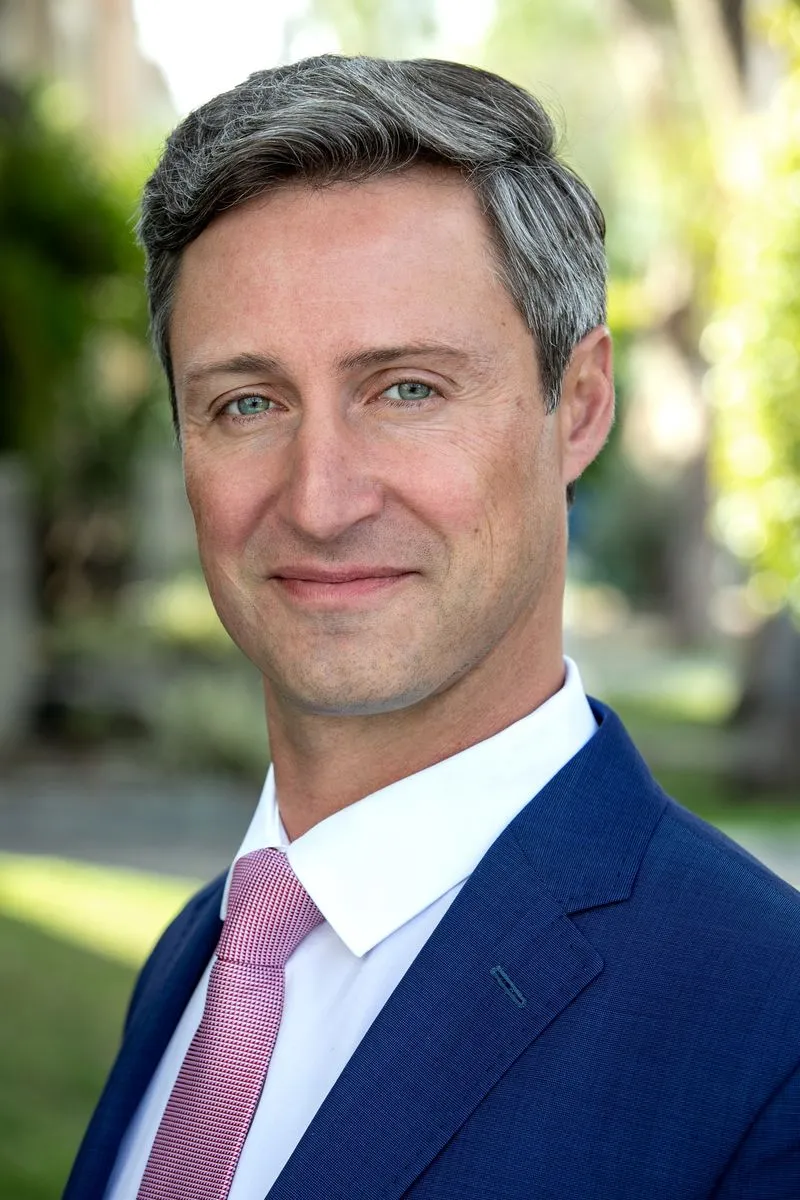
Trevor Damyan is a commercial mortgage broker at Commercial Lending Solutions with a background in structured finance at CBRE and Marcus and Millichap Capital Corporation. He specializes in bridge loans, construction financing, SBA programs, DSCR loans, and complex capital structures for investors and developers across all 50 states.
View full profile →