Springfield's office market in 2026 requires careful submarket selection, with medical office buildings near the Cox Health and Mercy hospital campuses holding strong occupancy and limited vacancy, while older Class B suburban office parks along Glenstone, South Campbell, and East Battlefield face persistent tenant downsizing and renewal hesitation from professional services firms that have reduced per-employee footprint since 2020. Downtown Springfield office has benefited modestly from city investment in streetscape and parking infrastructure, attracting smaller professional tenants and nonprofit anchors, but loan underwriting requires demonstrated in-place occupancy and conservative rent growth assumptions given the limited depth of the tenant market. Owner-occupied SBA financing for medical and professional services firms is the most active financing segment in Springfield office.
Office Market Overview: Springfield 2026
The Springfield office market in 2026 reflects the metro's broader economic momentum, driven by healthcare and hospital systems, outdoor retail and manufacturing, higher education, logistics and distribution, regional government. Key metrics for office investors:
- Office Vacancy: 14.2%
- Office Cap Rates: 7.75%-9.00%
- Metro Rent Growth: 2.8% year-over-year
- Job Growth: 1.4%
- Population Growth: 0.7%
- Median Asking Rent: $895
Office Subtypes in Springfield
The Springfield office market encompasses a range of property subtypes, each with distinct risk-return profiles and financing requirements:
- Class A Trophy Office
- Class B Value-Add Office
- Creative / Flex Office
- Medical & Dental Office
- Co-Working & Shared Space
- Owner-Occupied Office
- Government & GSA-Leased
- Suburban Office Campus
Each subtype has different lender appetite, underwriting criteria, and optimal financing structures. Understanding which subtypes perform best in Springfield's specific market conditions is critical for investment success.
Key Investment Metrics
Office investors evaluating Springfield should focus on these key performance indicators:
- Cap Rate Spread: Springfield office cap rates at 7.75%-9.00% compare favorably to national averages, reflecting attractive yields for investors seeking current cash flow
- Rent Growth Trajectory: 2.8% annual rent growth supports both value-add and core investment strategies
- Supply Pipeline: New office construction activity should be evaluated relative to the market's absorption capacity
- Tenant Quality: The Springfield metro's major employment sectors (healthcare and hospital systems, outdoor retail and manufacturing, higher education, logistics and distribution, regional government) drive office tenant demand and creditworthiness
Financing Options for Office in Springfield
Office properties in Springfield can be financed through multiple capital sources, each with distinct advantages:
- Bank Permanent Loans
- Life Insurance Company Loans
- CMBS
- Bridge Loans
- SBA 504 / 7(a) (Owner-Occupied)
- Construction
The optimal financing structure depends on your business plan (core hold, value-add, or development), the property's current condition and occupancy, and your desired leverage and hold period. In the Springfield market, lenders are most competitive for well-located assets with strong fundamentals and experienced sponsors.
Financing a office deal in Springfield? This guide covers the investment landscape. For current terms, capital sources, and a free quote, go to our Office Financing in Springfield, MO page or call (310) 708-0690.
Top Submarkets for Office Investment
The Springfield MO metro features several distinct submarkets for office investment, each with unique characteristics:
- Downtown Springfield: offering distinct opportunities within the broader Springfield office market
- South Springfield: offering distinct opportunities within the broader Springfield office market
- East Springfield: offering distinct opportunities within the broader Springfield office market
- Republic: offering distinct opportunities within the broader Springfield office market
- Ozark: offering distinct opportunities within the broader Springfield office market
- Nixa: offering distinct opportunities within the broader Springfield office market
- Branson: offering distinct opportunities within the broader Springfield office market
- Rogersville: offering distinct opportunities within the broader Springfield office market
- Willard: offering distinct opportunities within the broader Springfield office market
- Strafford: offering distinct opportunities within the broader Springfield office market
- Fair Grove: offering distinct opportunities within the broader Springfield office market
- Logan-Rogersville: offering distinct opportunities within the broader Springfield office market
The most active investment corridors for office in Springfield include Downtown Springfield, South Springfield, Republic industrial corridor, Ozark and Nixa retail. Submarket selection significantly impacts both returns and financing terms, as lenders evaluate location-specific metrics in their underwriting.
Investment Thesis: Office in Springfield
The investment case for office in Springfield rests on several structural factors:
- Economic Fundamentals: 1.4% job growth and 0.7% population growth create durable demand
- Market Pricing: Cap rates at 7.75%-9.00% offer attractive entry points relative to coastal gateway markets
- Financing Environment: The Springfield market's depth and lender familiarity support competitive borrowing costs
- Growth Potential: 2.8% rent growth supports improving cash flows over the hold period
Springfield anchors a multi-state trade area stretching across the Ozarks into northern Arkansas and southeastern Kansas, functioning less like a typical mid-size metro and more like a regional capital for a largely rural hinterland that lacks comparable retail, medical, and logistics infrastructure closer to home. Bass Pro Shops, headquartered here, is the single most recognizable economic symbol of that trade-area reach, and its campus in the heart of Springfield has catalyzed surrounding retail development that draws shoppers from well beyond Greene County. Healthcare is the other dominant pillar: CoxHealth and Mercy Springfield Communities together employ tens of thousands and have driven sustained demand for medical office and outpatient facilities across South Springfield and the suburban corridors toward Ozark and Nixa. Missouri State University adds a residential enrollment base that keeps multifamily occupancy in the near-campus submarkets consistently tight, particularly along the South National corridor. Industrial demand has grown alongside the region's role as a distribution waypoint, with Republic and Willard attracting warehouse and light manufacturing users who value access to U.S. 60 and Interstate 44 without the land costs of Kansas City or St. Louis. Downtown Springfield has seen incremental mixed-use investment tied to creative and healthcare-adjacent tenants, though lease rates remain modest enough that value-add plays pencil more reliably than ground-up development. The market's defining underwriting characteristic is its relative insulation from coastal capital flows, meaning pricing tends to lag primary markets on the upswing but also compresses less severely in downturns, and local and regional lenders remain the dominant execution source for most transaction sizes.
CLS CRE: Office Financing in Springfield
CLS CRE specializes in office financing throughout the Springfield MO metropolitan area. With access to 1,000+ lenders, we match your specific office investment with the right capital source at the most competitive terms available.
Related resources:
- Office Financing: National Overview
- Office Financing in Springfield: Rates & Terms
- Commercial Real Estate Loans in Springfield
- Bridge Loans in Springfield
- Permanent Loans in Springfield
- Construction Loans in Springfield
- Springfield Commercial Real Estate Market Report 2026
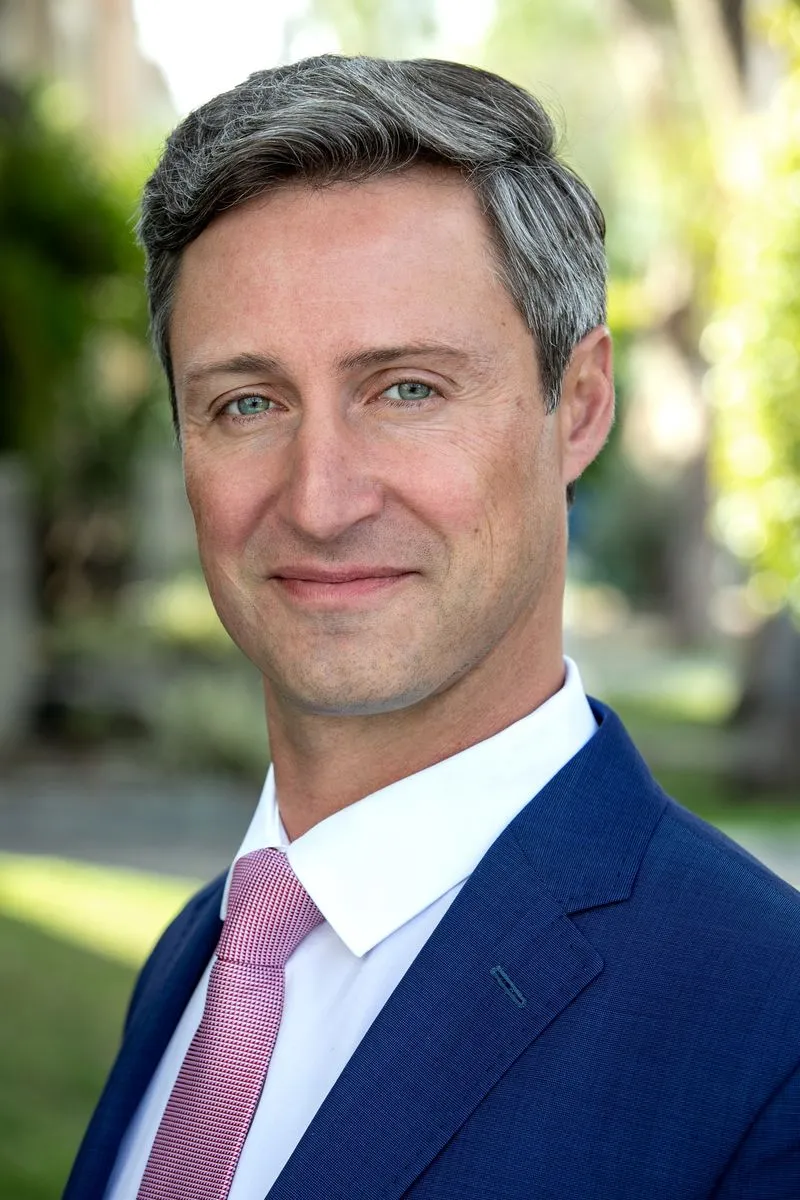
Trevor Damyan is a commercial mortgage broker at Commercial Lending Solutions with a background in structured finance at CBRE and Marcus and Millichap Capital Corporation. He specializes in bridge loans, construction financing, SBA programs, DSCR loans, and complex capital structures for investors and developers across all 50 states.
View full profile →